From Osaka’s first pods to today’s capsule hotel design in Tokyo
Step into a capsule hotel in Tokyo and you are stepping into the original laboratory of compact luxury. Japan took the humble sleeping pod and, through decades of refinement, turned capsule hotels into a precise study of comfort, privacy and urban efficiency. Many commentators trace this evolution back to Capsule Inn Osaka, opened in 1979 and widely described as the first commercially successful modern capsule hotel, and the story from those early pods to the latest openings in the capital explains why couples now book capsules as confidently as traditional rooms.
Architects in Tokyo learned to work with a capsule footprint of only a few square metres, treating each pod as a micro room rather than a downgraded bed. This mindset still shapes every serious capsule project in Japan and beyond, where the sleeping unit is designed as a crafted object inside a larger building, not an afterthought squeezed into leftover space. When you reserve a capsule stay in Tokyo today, you are buying into this lineage of architecture, engineering and hospitality thinking.
Redesigns by practices such as Schemata Architects for the 9h (nine hours) capsule hotels in Tokyo show how the original capsule structures can be preserved while the interiors become calmer, warmer and more refined. In an interview about the brand, Schemata’s Jo Nagasaka described the aim as creating “a seamless flow from public to private,” and their work demonstrates how a Japanese capsule concept can age gracefully when the shell remains intact but the surfaces, lighting and storage evolve with contemporary expectations. For couples choosing between different hotels in Tokyo, this continuity of design thinking is a quiet but powerful marker of quality.
Japanese design principles inside two square metres of space
The most sophisticated capsule hotel design in Tokyo is guided by the Japanese concept of ma, the meaningful pause or negative space between objects. Within a typical capsule of around 2 m², ma appears as a clear stretch of wall, a shallow shelf or a carefully lit void that lets your eyes and mind rest. Rather than filling every centimetre, the best capsule hotel architects in Japan remove clutter so the pod feels like a small house of calm inside a busy tower.
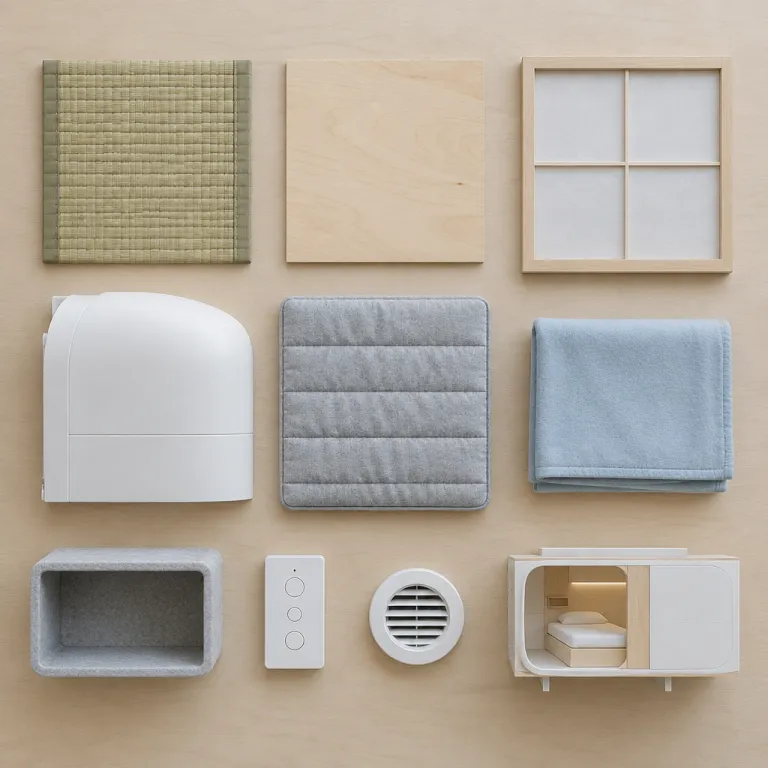
Materials matter just as much as space, and the most refined capsule hotels use steel frames and stainless steel details only where they serve structure or hygiene. Around these hard elements, you will often find warm timber, soft textiles and indirect light that flatter skin tones and make the compact room feel generous. A typical premium capsule might pair a mattress in the 20–25 cm range with dense foam toppers and high thread count sheets; this balance of steel, fabric and light is why a Japanese capsule can feel more intimate than a larger but poorly designed standard hotel room.
Lighting is another quiet luxury in capsule hotels, with layered options that shift from bright task light to a low glow that mimics museum-like modern galleries. In some Tokyo properties, you can adjust colour temperature and intensity, using smart controls that remember your preferences without cluttering the capsule with visible gadgets. When every switch, niche and rail is integrated into the architecture, the pod becomes a piece of inhabitable modern art rather than a simple sleeping compartment.
For readers curious about how these principles travel, premium pods in London now borrow directly from capsule hotel design in Tokyo, pairing Japanese restraint with European comfort; you can see this cross pollination in our guide to a premium capsule hotel in the heart of the city. The same focus on negative space, quiet corridors and tactile finishes shows how the Japanese capsule idea adapts to different climates and cultures. Couples comparing stays in Japan with European capsule projects will notice that the most successful reinterpretations respect the original design logic rather than simply copying the pod shape.
From Tokyo towers to Western reinterpretations of the capsule
Walk through the Ginza district and you will see how capsule hotel design in Tokyo has grown up alongside glass towers, concrete office blocks and narrow residential streets. Some capsule hotels occupy entire buildings, while others slip into a steel frame structure above retail floors, turning vertical metres into stacked pods. This layering of public and private space is a hallmark of dense architecture in Tokyo, where a single tower might hold a modern museum gallery, a restaurant and a capsule hotel under one roof.
Western operators have studied these buildings closely, learning that the secret is not the capsule itself but the choreography around it. Corridors, staircases and shared lounges are treated as social space, while the capsules remain quiet, almost sacred rooms where the city noise stops. When this balance is respected, a capsule hotel in London or Vancouver can feel spiritually linked to a carefully designed property in Tokyo, even if the pods are larger and the aesthetic leans Scandinavian.
Some reinterpretations, however, miss the point by treating capsules as a budget gimmick rather than a serious architecture project. They enlarge the pods but neglect soundproofing, or they add flashy technology that clutters the space instead of refining it. Couples used to the calm precision of capsule hotels in Tokyo will feel this immediately, sensing that every centimetre should have a purpose and that design without intention is just décor.
Global examples such as Zedwell with its focus on soundproofing, Panda Pod with its Scandinavian-meets-Japanese design, and Bobobox with its digital-first approach show how far the original capsule idea has travelled. Each of these hotels outside Japan borrows from the discipline of the Japanese capsule tradition while adapting to local expectations about privacy and amenities. The lesson for travellers is clear: when researching places to stay in Tokyo or abroad, look for properties that talk about architecture and design, not just novelty.
Technology, sustainability and the quiet luxury of control
Technology inside capsule hotel design in Tokyo works best when it disappears into the background. Many new capsule hotels use Internet of Things sensors, smart thermostats and keyless entry to streamline your stay without turning the pod into a gadget showroom. The aim is to let you control light, temperature and privacy from your pillow, while the building quietly manages energy use and security in the background.
Across Japan and in other major cities, a growing share of new capsule installations now integrate smart energy management systems that can significantly reduce operating costs compared with older buildings. For guests, this translates into more stable temperatures, better air quality and the reassuring sense that the hotel is not wasting resources. When you slide into a Tokyo capsule that feels perfectly tempered and hushed, you are experiencing the outcome of this invisible engineering.
Soundproofing is another area where Western projects have learned from capsule hotels in Tokyo, often going beyond the original specifications. Thicker walls, double curtains and acoustic panels turn each capsule into a cocoon, especially valuable for couples who value rest over nightlife. Some design-led properties now quote target night-time noise levels in the low 30 dB range inside the pod, and places that treat the capsule as a serious room, not a temporary bunk, will talk openly about insulation and how the steel frame of the building is isolated from vibration.
Digital interfaces extend beyond the capsule itself, with many Japanese and international properties offering app-based check-in, locker control and sauna reservations. The best systems feel optional rather than mandatory, allowing you to engage as much or as little as you like. When technology respects the architecture instead of overwhelming it, the capsule becomes a refined instrument of comfort rather than a cramped test bed for gadgets.
How to choose a design led capsule hotel in Tokyo and beyond
Choosing a capsule hotel in Tokyo starts with understanding what you value most as a couple. If you prioritise design, look for hotels that mention specific architects, materials and concepts such as ma, rather than just listing capsule counts and room sizes. Properties like those redesigned by Schemata Architects for 9h show how a clear design narrative can transform even a typical capsule into a memorable stay.
Pay attention to photographs of corridors, lounges and shared baths, because these spaces reveal more about the building than close ups of capsules alone. A well resolved steel frame staircase, a calm sauna or a lobby that feels like a small modern gallery all signal that the architecture has been considered as a whole. When every transition from tower entrance to capsule door feels deliberate, you are likely in a Tokyo hotel that treats compact living as an art form.
Practicalities still matter, and a few rules hold true whether you are booking capsule hotels in Tokyo or a design forward pod hotel in Europe. Book in advance, check amenities carefully and understand capsule etiquette, especially around luggage storage and shared bathrooms. Remember that “What is a capsule hotel?” is answered simply as “A compact, affordable lodging option with individual sleeping pods.”, that “Are capsule hotels comfortable?” is answered as “Yes, they offer basic amenities and privacy.”, and that “Do capsule hotels have private bathrooms?” is answered as “Typically, bathrooms are shared among guests.”.
Finally, look beyond glossy images and social media snippets that invite you to share or follow on Facebook and Twitter, and instead read how the property talks about its project, its architecture and its original vision. Serious capsule hotels will reference collaborators such as Nacasa & Partners for photography, or publications like ArchDaily that have covered their building. This level of transparency signals a Japanese or Tokyo capsule property that stands behind its design choices and welcomes informed, design literate guests.
FAQ
How big is a typical capsule in Tokyo?
A typical capsule in Tokyo measures around 2 m², which is enough for a full size bed, a small shelf and some integrated storage. Designers use vertical space carefully, adding niches and rails instead of bulky furniture. This compact footprint is standard across many capsule hotels in Tokyo, from budget options to premium properties.
Are capsule hotels in Tokyo comfortable for couples?
Capsule hotels in Tokyo can be comfortable for couples, especially when you book adjacent capsules or a double width pod. Many design led properties focus on soundproofing, high quality mattresses and adjustable lighting to create a restful atmosphere. For couples who value privacy, it is worth checking whether the hotel offers women only or mixed floors and how luggage is stored outside the capsules.
What should I check before booking a capsule hotel in Japan?
Before booking a capsule hotel in Japan, review the location, floor layout and amenity list carefully. Confirm whether there are shared baths or saunas, how lockers work and whether there is space to relax outside your capsule. It is also wise to read how the hotel describes its design and architecture, as this often indicates the overall quality of the experience.
Do capsule hotels in Tokyo have private bathrooms?
Most capsule hotels in Tokyo use shared bathrooms and shower areas, separated by gender and maintained to a high standard. Premium properties often add onsen style baths, saunas and generous vanity areas with amenities. If you require a private bathroom, look for hybrid properties that combine capsule style sleeping pods with a small private room or ensuite facilities.
How do Japanese capsule hotels differ from Western pod hotels?
Japanese capsule hotels tend to be more compact and ritualised, with clear etiquette around bathing, noise and luggage. Western pod hotels often offer larger pods, more storage and sometimes private or semi private bathrooms, but they may lack the same level of architectural discipline. The best Western examples borrow from capsule hotel design in Tokyo by treating every centimetre as intentional and integrating technology discreetly.