How pod design shapes capsule hotel sleep quality for modern travelers
Sleep in a capsule hotel is only as good as the pod that surrounds you. When designers, architects and hotel operators align around sleep quality as the primary objective, the compact room becomes a precision tool for rest rather than a compromise. For families and other guests who value a calm night more than a cavernous suite, understanding how pod design works will change how you choose where to stay.
Across global cities, capsule hotels now use ergonomic layouts, acoustic materials and climate control systems to engineer guest sleep rather than leave it to chance. Typical pod footprints are only a few square metres, yet the best capsules feel surprisingly generous because every surface, light source and vent is positioned with purpose. People who arrive after a long flight often report that a well designed capsule hotel can deliver deeper relaxation and better sleep quality than a standard low cost hotel room with poor soundproofing.
Designers and hotel operators share a clear mission: they want each capsule to provide private, comfortable sleeping spaces while optimising scarce urban floor space. Capsule hotel designers work with interior specialists and engineers to refine pod layouts, then hotel operators maintain those systems over time so that the original quality does not quietly erode. This ongoing capsule hotel pod design effort, which began with the first Osaka property and now extends to Western markets, aims at one measurable outcome: improved guest sleep in compact capsules, night after night.
The five pod features that matter most for a quiet night
When you evaluate capsule hotel sleep quality, focus less on the marketing photos and more on five technical features. Ventilation, soundproofing, mattress construction, light control and temperature regulation together determine how your body will feel during the night and how refreshed you will be post sleep. A capsule hotel that invests in these systems can outperform many larger hotels where design budgets went into lobbies rather than rooms.
Ventilation comes first because stale air will ruin even the most luxurious mattress over time. Look for capsule hotels that mention individual air vents, advanced filtration or wellness focused air quality controls in each capsule, not just central systems in the corridor. As a simple benchmark, many building guidelines recommend multiple fresh air changes per hour in sleeping spaces; properties that reference measurable airflow targets or CO₂ monitoring are signalling serious attention to indoor air quality. Families sharing a pod zone should pay attention to how fresh the room air remains through the night, since children often sleep more deeply when temperature and airflow stay stable and low in pollutants.
Soundproofing is the second non negotiable feature for guest sleep, especially in airport capsules or city centre hotels with late check ins. Ask whether pods use acoustic panels, double walled shells or heavy doors rather than thin curtains that let every corridor sound pass through. Research on sleep and noise generally suggests that quieter bedrooms support deeper rest, while poorly insulated spaces exposed to traffic or hallway sounds can leave people waking more often. Properties such as Zedwell London, which pairs Hypnos mattresses with sound insulated rooms and ambient lighting, show how hotel grade engineering can transform a compact capsule into a genuinely quiet luxury sleep space for people who value rest over square metres; for seamless airport stays with strong noise control, look at a refined rest capsule hotel near Incheon as a benchmark for what good design can achieve.
Ventilation and soundproofing: reading between the booking lines
Most booking pages will not shout about exact decibel ratings or air change rates, so you need to read capsule hotel descriptions with a technical eye. When a hotel highlights “advanced ventilation systems”, “individual climate control” or “air quality monitoring”, it signals that capsule hotel designers and engineers have prioritised sleep quality rather than just squeezing in more capsules. For families, this matters because a child who can relax and breathe easily in a pod will usually fall asleep faster and wake less often during the night.
Soundproofing clues hide in the language about materials and layout rather than in glossy photos. Look for mentions of acoustic materials, insulated pod shells, soft close doors and quiet corridors, which together reduce low frequency noise that travels far in hard surfaced spaces. When a capsule hotel explains that pods are arranged away from lifts, shared bathrooms and late night social zones, you can expect a calmer stay and a more consistent sleep feel across different capsules and nights.
Guest reviews are your best post sleep data source for real world performance, especially on a luxury and premium booking website that curates only higher quality hotels. Filter comments by words like “quiet”, “slept well”, “noise” and “ventilation” to see how guests describe their experience in specific room zones or pod types. Short remarks such as “I forgot I was next to a main road” or “could hear every suitcase in the corridor” reveal more than star ratings. For couples who care about privacy and rest, specialist guides to capsule hotels for couples and comfort in a pod can help you interpret those reviews and match them with the right capsule hotel layout for your own stay.
Mattress, linens and pod dimensions: why hotel-grade matters more than size
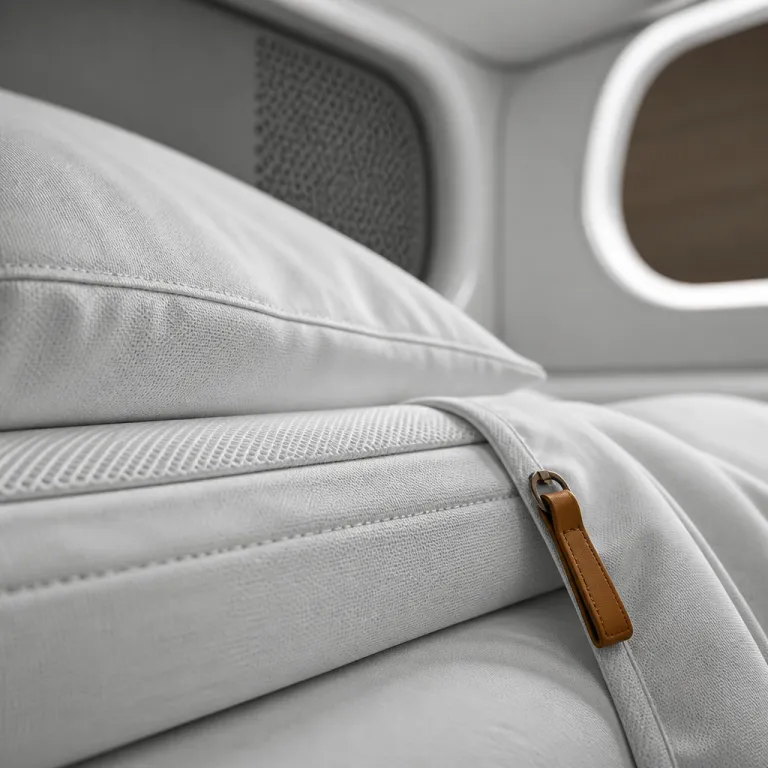
Many people worry that a two square metre capsule cannot deliver real comfort, yet pod dimensions are rarely the main barrier to good sleep. What matters more is whether the mattress and bedding reach true hotel grade quality, with supportive cores, breathable covers and linens that feel soft against the skin. As a reference point, many hotel mattresses use medium firm foams or pocket springs designed to balance pressure relief and support rather than simply cutting costs. When a capsule hotel specifies brands such as Hypnos mattresses or Egyptian cotton sheets, you can expect a luxury sleep experience even in a compact room.
Hotel operators who take sleep seriously often work with capsule hotel designers to test different mattress densities and pillow types in sample capsules before rolling them out across all pods. This process ensures that both shorter and taller guests, including children, can relax without pressure points during a long night, even when the capsule footprint stays modest. Zedwell London, for example, uses hotel grade beds and ambient lighting to create a cocoon effect where guests report that the sleep feel rivals far larger hotels at a similar price point; typical comments include “best night’s sleep I’ve had in London” and “so quiet I overslept my alarm”.
Pod dimensions still matter, but mostly for how you move rather than how you sleep. Check the listed length and height of capsules to confirm that taller people can stretch fully and sit up without hitting the ceiling, especially in upper pods where climbing in and out takes more time. For design focused urban properties, curated guides to hotel capsule experiences for luxury minded travelers can help you compare how different capsule hotels balance compact footprints with generous mattresses, storage and circulation space so that the overall experience feels calm rather than cramped.
Light control and temperature: managing your personal sleep environment
Light is one of the most underestimated drivers of capsule hotel sleep quality, especially for jet lagged families crossing time zones. Your brain needs darkness to produce melatonin, so the way a capsule blocks or filters light will shape how quickly you fall asleep and how you feel on waking. The difference between a thin curtain and a solid door can be the difference between a broken night and a deep, uninterrupted stay.
Curtain style capsules work for heavy sleepers, but light sensitive guests and children usually benefit from pods with doors or sliding panels that seal more completely. When you read hotel descriptions, look for phrases such as “blackout curtain inside the pod”, “solid door with minimal light bleed” or “adjustable ambient lighting” that allow you to create a low light cocoon. Brands like Nine Hours build their entire experience around sleep science, using adaptive lighting that shifts colour temperature through the evening to support natural circadian rhythms and improve overall sleep quality.
Temperature control is equally critical because your core body temperature needs to drop slightly for optimal sleep. Some capsule hotels rely on passive climate control from central air conditioning, which can leave upper capsules warmer and less comfortable over time. Wellness focused properties now integrate active climate control into each capsule, with individual vents, fans or IoT enabled thermostats that let each guest set a cooler or warmer sleep feel, ensuring that both adults and children can relax without waking from heat or cold during the night.
Smart technology, wellness features and what they mean for families
Technology is quietly reshaping capsule hotel sleep quality, moving pods from simple boxes to responsive micro rooms. Modern capsules may include IoT enabled controls for lighting, ventilation and temperature, allowing each guest to fine tune their environment without leaving the bed. For families, this means you can adjust a child’s pod to a slightly warmer setting while keeping your own capsule cooler, tailoring comfort across the stay.
Some capsule hotels now integrate sleep analysis tools, ambient soundscapes and even fresh pajamas as part of a wellness focused experience. Nine Hours, for instance, uses sleep analysis technology and purpose designed lighting to help guests understand how their sleep quality responds to different pod settings over time. Properties that offer guided relaxation audio, gentle wake up lights and quiet zones for pre sleep routines often see higher guest satisfaction scores, because people feel that the hotel is actively supporting their rest rather than just renting a room.
Industry analysts expect the commercial capsule pod market to expand steadily over the coming years as more travelers seek efficient yet comfortable hotels in dense cities. This growth outlook, reported in hospitality research on compact accommodation, encourages capsule hotel designers and hotel operators to compete on guest sleep rather than only on price, especially in the luxury and premium segment where families are willing to pay more for a reliably calm night. As smart technology, ergonomic design and wellness features converge, the best capsule hotels now offer an experience where the compact capsule feels like a carefully tuned sleep instrument rather than a low budget compromise.
How to read guest reviews to predict your own sleep feel
Guest reviews are the most honest mirror of capsule hotel sleep quality, especially on curated platforms that focus on premium properties. Instead of scanning only overall scores, dive into comments that mention sleep, noise, air, mattress and light, then map those remarks to specific capsule types or floors. When multiple guests describe the same sleep feel in similar capsules, you can trust that your own night will likely follow the same pattern.
Pay attention to how people describe their post sleep state rather than just the check in experience. Phrases such as “slept through my alarm”, “surprisingly quiet for the location” or “air felt fresh all night” indicate that the core design elements of ventilation, soundproofing and bedding are working together. When reviews repeatedly mention “low hum from ventilation”, “thin curtain” or “warm in upper capsules”, treat these as design signals and choose a different room category or another hotel if you are sensitive.
Families should also read how guests talk about staff responses to sleep related issues, such as moving people to quieter capsules or adjusting temperature in a room zone. A hotel that trains its équipe to treat guest sleep as a priority will usually handle occasional noise or climate problems quickly, preserving the overall quality of your stay. Do capsule hotels provide good sleep quality? Yes, with proper design features like soundproofing and ventilation; when you combine that design foundation with thoughtful service and careful review reading, you can select a capsule hotel where your own sleep quality feels closer to a luxury retreat than a simple place to crash for the night.
Key statistics on capsule hotel sleep quality and pod design
- Many capsule pods occupy only a few square metres, which means designers must rely on ergonomic layouts and hotel grade mattresses rather than extra floor space to deliver comfort (estimate based on capsule hotel listings compiled by Inspired Backpacker).
- Large scale capsule hotels can include hundreds of pods, showing how high density layouts can still prioritise individual guest sleep when ventilation and soundproofing systems are properly engineered (reported in design coverage by Wallpaper magazine).
- Hospitality market research indicates that the global commercial capsule pod segment is on track for robust growth this decade, reflecting rising demand for compact hotels that still offer strong sleep quality in major cities (figures drawn from capsule accommodation industry analyses).
- Wellness focused capsule brands such as Nine Hours use sleep analysis technology and adaptive lighting to refine pod design over time, turning real guest sleep data into concrete improvements in ventilation, light control and bedding (documented in brand interviews and travel features).
- Properties like Zedwell London demonstrate that pairing Hypnos mattresses, Egyptian cotton sheets and ambient lighting with sound insulated rooms can deliver hotel grade sleep in compact spaces that feel closer to capsules than traditional rooms (highlighted in National Geographic and other travel reporting).
FAQ about capsule hotel sleep quality and pod design
Are capsule hotels suitable for light sleepers and families with children?
Capsule hotels can work very well for light sleepers and families when pod design prioritises soundproofing, ventilation and light control. Look for capsules with solid doors or thick curtains, acoustic materials and individual climate control rather than basic fan systems. Guest reviews that highlight quiet corridors and consistent sleep quality across different nights are a strong indicator that the property suits sensitive sleepers.
How can I tell if a capsule hotel has good ventilation before booking?
Check the hotel description for mentions of individual air vents, advanced filtration or wellness focused air quality systems inside each capsule. Properties that talk about climate control systems, air quality monitoring or fresh air circulation rather than just “air conditioning” usually offer better ventilation. Reviews that mention fresh air, comfortable temperature and no stuffiness through the night confirm that the system performs well in real conditions.
Do pod dimensions matter more than mattress quality for comfort?
Pod dimensions influence how easily you move around, but mattress and bedding quality matter more for actual sleep comfort. A well designed two square metre capsule with a supportive mattress, breathable linens and good ventilation can feel more restful than a larger room with a thin bed and poor air. Taller guests should still check pod length and height, yet prioritise hotel grade mattresses and clear references to sleep focused design.
What is the difference between curtain pods and door pods for sleep?
Curtain pods are more open and can feel less claustrophobic, but they usually let in more light and noise from the corridor. Door pods or sliding panel capsules provide better sound and light isolation, which benefits light sleepers and children who wake easily. If you are sensitive to noise or travel across time zones, choosing a pod with a solid barrier typically improves your overall sleep quality.
Are capsule hotels a good option for claustrophobic people?
Whether capsule hotels suit claustrophobic people depends heavily on the specific design of the pods and shared spaces. Some capsules feel open, with higher ceilings, light colours and generous ventilation, while others are more enclosed and may trigger discomfort. If you are concerned, choose properties that show wide angle photos of pods with open sides, and consider lower capsules near exits so that you feel more in control of your environment.
Sources: National Geographic travel reporting on sleep focused hotels; Inspired Backpacker capsule hotel data; Wallpaper magazine coverage of large scale capsule properties; capsule accommodation market research summaries.