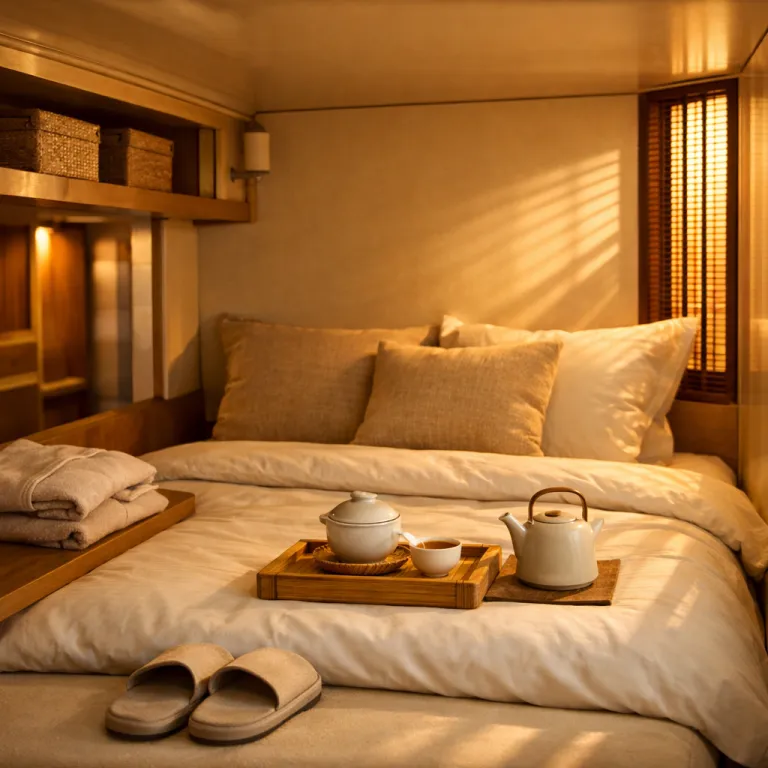
Luxury perspectives on the capsule hotel in China
In major cities across China, the capsule hotel concept has evolved beyond basic practicality. Today a capsule hotel in China can blend compact rooms with refined services, appealing to a guest who values efficiency and comfort, not only price. This shift matters for guests planning a trip that balances budget, style, and reliable amenities.
Capsule hotels in China were first introduced to answer rising demand for affordable urban rooms. Operators quickly realised that a capsule hotel guest might also expect a strong rating, quiet air conditioning, and seamless wireless internet, especially in dense districts near a railway station. As a result, many hotels now position selected capsules as premium pods, with higher privacy, better sound insulation, and elevated design touches.
These hotels still rely on compact capsule rooms, usually around 2 square meters, but they refine the experience through thoughtful details. A capsule hotel in China may offer upgraded bedding, individual air vents for fresh air, and soft lighting that echoes the original hotel Japan and japan concept roots. Guests benefit from a calm nap during the day or a restorative night, while operators maintain the space efficiency that defines capsule hotels.
For travelers comparing a hotel capsule to a small apartment rental, the value equation is clear. The average nightly rate remains low, yet the hotel can provide professional room service, secure luggage storage, and attentive staff who understand fast city stays. This combination of affordability and polish makes capsule hotels in China increasingly popular among solo guests, rail passengers, and digital nomads.
How premium capsule hotels in China elevate compact comfort
Premium capsule hotels in China focus on transforming a small room into a restful sanctuary. Each capsule room is carefully designed so guests can sit upright, stretch slightly, and organise essentials without feeling cramped. The best hotels use layered mattresses, quality linens, and adjustable lighting to create a surprisingly luxurious sleep environment.
Air quality and temperature control are crucial in any capsule hotel in China. Many hotels install quiet air conditioning systems with individual vents inside the capsules, allowing each guest to fine tune their preferred air flow. This attention to air and temperature helps sensitive sleepers rest better, especially when the hotel is located close to a busy railway station or metro hub.
Thoughtful technology further distinguishes premium capsules from standard capsule hotels. Wireless internet is now expected, but higher end hotels ensure strong, stable connections in all capsules and shared rooms, not only in the lobby. Some properties integrate smart controls so guests can adjust lighting, media, and privacy screens from within the capsule room.
Shared facilities also receive a premium upgrade in these hotels. Instead of purely functional bathrooms, guests may find well lit grooming areas, quality toiletries, and efficient layouts that reduce waiting times during peak night hours. When combined with courteous staff and optional room service for snacks or drinks, the capsule hotel in China becomes a refined alternative to a conventional hotel or compact apartment stay.
Strategic locations near railway stations and urban hubs
Location is central to the appeal of a capsule hotel in China, especially for short city breaks and transit stays. Many capsule hotels are located within walking distance of a major railway station, metro interchange, or airport shuttle stop. This proximity allows guests to maximise their trip time, arriving late at night or leaving after an early nap without long transfers.
In cities such as Xi'an, Haikou, Hangzhou, and Chongqing, capsule hotels cluster around transport corridors and commercial districts. Guests arriving by train can move from the railway station concourse to their hotel capsule in minutes, often without needing a taxi. For business travelers, this efficiency means more time in meetings or at events, and less time navigating unfamiliar streets.
Premium capsule hotels in China also consider the wider neighbourhood experience. A capsule hotel located near shopping streets, food markets, or cultural sites allows guests to step out of their rooms and immediately engage with the city. This urban immersion contrasts with some traditional hotels or apartment rentals that may sit in quieter residential zones.
For travelers inspired by the japan concept of compact living, staying near a station echoes the original hotel Japan model, where capsules served late running commuters. In China, this idea has been adapted to serve both domestic and international guests, who value a reliable rating, easy access, and flexible check in. When planning a trip, it is wise to check maps carefully and confirm exactly how far the capsule hotel is located from the chosen railway station or metro stop.
Design influences from Japan and the evolution in China
The modern capsule hotel in China owes much to the pioneering hotel Japan movement. Early capsule hotels imported the japan concept almost directly, offering simple capsules stacked in rows, with minimal decoration and purely functional shared rooms. Over time, Chinese capsule hotel operators adapted this model to local expectations and travel patterns.
Today, many capsule hotels in China still reference the original hotel capsule layout, but they soften the aesthetic and enhance comfort. Guests often find warmer colour palettes, improved soundproofing between capsules, and better ventilation to keep the air fresh. These design changes help guests feel less like they are in a transit pod and more like they are in a compact private room.
Technology has also shaped the evolution of capsule hotels in China. Smart check in kiosks, digital key systems, and integrated wireless internet allow guests to move from railway station to capsule room with minimal friction. Some properties experiment with app based room service, enabling guests to order a drink or snack to their capsule without leaving their floor.
For travelers curious about the cultural roots of capsule hotels, reading personal narratives can be helpful, such as this detailed account of an intense night in a Tokyo capsule hotel at a Tokyo capsule hotel experience. While that story focuses on hotel Japan, it highlights how the japan concept has been reinterpreted worldwide. In China, the same compact idea now supports a wide range of guests, from budget tourists to professionals seeking a quiet nap between meetings.
Balancing privacy, shared spaces, and guest expectations
One of the most nuanced aspects of a capsule hotel in China is the balance between privacy and shared living. Guests sleep in individual capsules or rooms, yet they share corridors, bathrooms, and lounges with many other travelers. For some guests, this arrangement feels social and efficient, while others may need time to adjust.
Premium capsule hotels respond by segmenting floors or zones to match different expectations. It is common to find women only areas, quiet floors for light sleepers, and sections near the railway station side entrance for late night arrivals. Operators encourage guests to respect noise guidelines so that everyone can enjoy a restful night in their capsule or room.
Service design also plays a role in shaping the guest experience. While full room service is rare in standard capsule hotels, higher end properties may offer limited room service for drinks, simple meals, or amenities delivered directly to the capsule door. This small touch helps bridge the gap between a traditional hotel and a capsule hotel in China, especially for guests arriving tired from a long trip.
For travelers used to private apartment rentals, the shared bathrooms and corridors may initially feel unfamiliar. However, many guests appreciate the strong wireless internet, secure lockers, and attentive staff presence that capsule hotels provide. By clearly communicating house rules and maintaining high cleanliness standards, operators build trust and support consistently positive rating scores across their hotels and capsules.
Practical booking advice for premium capsule stays in China
When booking a capsule hotel in China through a luxury or premium focused platform, attention to detail is essential. Start by checking the rating carefully, reading recent guest reviews that mention air conditioning, noise levels, and wireless internet stability. These factors strongly influence whether a compact capsule room feels restful or stressful during a short trip.
Next, confirm exactly where the hotel is located in relation to the nearest railway station or metro stop. A capsule hotel that is genuinely adjacent to a railway station can save valuable time, especially if you arrive late at night or plan an early morning departure. Look for clear walking directions and note whether the route is well lit and straightforward with luggage.
Premium capsule hotels often list specific capsule types, such as single capsules, double capsules, or family rooms. Review the dimensions, layout, and included amenities, ensuring that air conditioning vents, power outlets, and storage options meet your needs. If you plan to work, verify that the hotel offers quiet common areas with reliable wireless internet, not only connectivity inside the capsules.
Finally, consider your personal comfort preferences compared with a standard hotel or compact apartment. A capsule hotel in China can be ideal for a one night stay, a daytime nap between trains, or a short city break focused on exploration. By aligning expectations with the unique japan concept roots of capsule hotels, guests can enjoy a refined, efficient, and memorable stay in some of China’s most dynamic urban centres.
Key statistics for capsule hotels in China
- Average nightly rate for a capsule hotel stay in China is around 10 USD, offering strong value compared with many traditional hotels.
- Typical capsule size in Chinese capsule hotels is approximately 2 square meters, optimising space while maintaining essential comfort.
- Capsule hotels in China have expanded steadily across major cities, reflecting sustained demand from budget conscious and efficiency focused guests.
Essential questions about staying in a capsule hotel in China
What is a capsule hotel?
What is a capsule hotel? A compact, affordable lodging option with small, bed-sized rooms. In China, these hotels use modular capsules to maximise space while still providing privacy, basic amenities, and access to shared facilities such as bathrooms and lounges.
Are capsule hotels popular in China?
Are capsule hotels popular in China? Yes, especially among budget-conscious travelers. Their popularity continues to grow as more guests appreciate the combination of low nightly rates, central locations near railway stations, and increasingly refined services.
What amenities do capsule hotels offer?
What amenities do capsule hotels offer? Basic amenities like Wi-Fi, shared bathrooms, and sometimes TVs. In many Chinese capsule hotels, guests also benefit from air conditioning, secure lockers, and convenient access to transport hubs, making them practical for short urban stays.