Sightlines, ceiling height and the subtle “escape” cue
Step into a well designed capsule hotel and the first impression matters. For solo guests who feel nervous about small spaces, the difference between a soothing capsule and a stressful box often comes down to sightlines and ceiling height. A thoughtful capsule hotel small space design uses every centimetre of the pod and the surrounding areas to signal that you are enclosed yet never trapped.
Look at the way each capsule frames your view when you lie on the bed. The best capsule hotels angle the mattress, control the pod depth and position the internal mirror so your eyes travel along the length of the capsule room, not straight into a wall that shouts confinement. In hotels where rooms are arranged in long corridors, designers sometimes stagger capsules on separate floors or offset the pod hotel entrances, which breaks the tunnel effect and makes the shared spaces feel more like a calm cabin deck than a storage unit.
Ceiling height inside capsules is usually modest, yet clever design can make it feel generous. In Japan, early capsule inn pioneers learned that a few extra centimetres above your face, combined with a slightly recessed light panel, changed the whole sleeping experience for anxious travellers. When you compare traditional hotels with hotels capsule concepts in places like Hong Kong or Osaka, you notice that the most successful hotel capsule layouts always offer a visible “escape” cue, such as a glimpse of the corridor or a soft lit control panel that reminds you the pod opens easily.
For anyone scrolling a luxury capsule hotel booking website, this is where photos tell the truth. Wide angle images of hotel rooms can mislead, but you can still read travel cues in the composition ; look for capsules where the opening feels wide, the pod edges are rounded and the capsule hotel small space design clearly prioritises headroom over storage cubbies. If every hotel room photo shows pods stacked like boxes with no breathing space between them, expect the real life rooms to feel more like lockers than cocoons.
Lighting that calms the nervous system, not just the corridor
Light is the fastest way to turn a capsule from coffin to cocoon. In a compact hotel room without windows, your brain relies on lighting design to judge time, distance and safety, especially when you are sleeping in unfamiliar spaces. Luxury capsule hotels understand this and invest in layered lighting that flatters the pod, the shared areas and the guests’ sense of control.
Inside a good capsule, you should find at least three light sources. A warm, dimmable main panel sets the overall mood of the capsule hotel small space design, while a focused reading lamp lets you read travel guides or work without flooding the pod with glare. Many hotels provide a soft night light near the bed controls, which keeps the capsule feeling oriented and helps you navigate to the common areas without waking neighbours in nearby capsules.
Pay attention to colour temperature when you compare hotels small in dense cities like Hong Kong or Tokyo. Cooler, blue white light can make a capsule feel like a medical pod, whereas warm tones echo the intimacy of traditional hotels and help your body prepare for sleeping. On curated booking platforms that review when compact is clever and when it is just cheap, you will often see praise for pod hotel concepts that use indirect strips, hidden LEDs and backlit headboards to stretch the perceived space of the room.
Corridor lighting matters just as much as what happens inside each capsule. In some capsule hotels, harsh ceiling panels in the hallways spill into the pods and ruin the carefully tuned ambience, so look for photos where the hotel capsule entrances glow softly rather than blaze. If you are sensitive to light, study how hotels offer privacy features ; a thick curtain or sliding door combined with individual dimmers will do more for your sleep quality than any luxury amenity, and you can go deeper on this in a practical guide to noise, light and privacy in capsule hotels on capsulehotelstay.com.
Materials, texture and colour that soften the shell
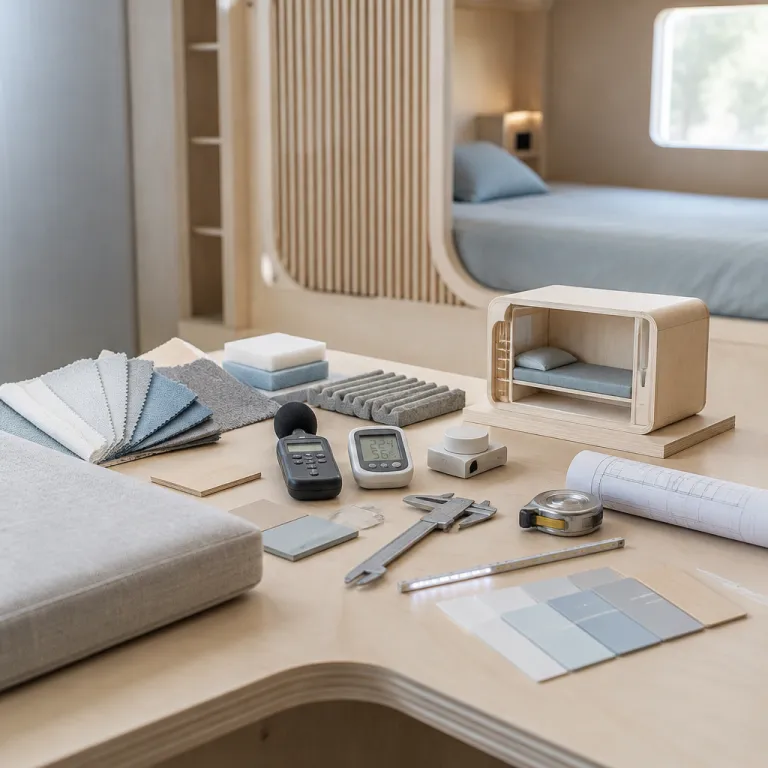
Even in a low cost capsule inn, the materials you touch shape your emotional response. Hard, shiny plastics and echoing walls make a capsule hotel feel like a storage unit, while textured panels, fabric headboards and soft flooring turn the same footprint into a retreat. When you browse capsule hotel small space design photos, imagine the sound and feel of every surface, not just the look.
Japanese capsule hotels pioneered the use of moulded pods for easy cleaning, but the most refined capsules in Japan now layer wood veneers, woven textiles and acoustic panels over that shell. In properties such as Capsule Inn Osaka, you will notice how the pod interiors use warm timber tones and muted colours to echo a traditional inn, even though the hotel capsule layout remains compact and efficient. This blend of japanese minimalism and tactile comfort helps guests relax, because the room feels crafted rather than industrial.
Colour strategy also plays a quiet psychological role. Darker hues around the bed can make the sleeping area feel like a nest, while lighter tones in the common areas and circulation spaces keep the overall hotel feeling open. In Hong Kong and other dense cities where hotels small dominate the market, designers often use a single accent colour to guide you from shared lounges to your capsule, which subtly reduces stress after a long day of travel.
Do not ignore the floors and ceilings when you read travel reviews or study gallery images. Thick carpets in corridors, padded steps on separate floors and fabric wrapped ceilings above the capsules all absorb noise and soften the visual field. For anxious solo travellers, these details can be the difference between a night spent counting footsteps and a night where the capsule hotel small space design fades away, leaving only the comfort of your bed and the quiet hum of air conditioning.
For luggage, pay attention to how hotels provide storage in relation to the pod. Some capsule hotels integrate lockers under the capsules or in nearby common areas, while others expect your suitcase to live in the hotel room corridor, and you can read a detailed breakdown of luggage realities in capsule properties on capsulehotelstay.com. If every photo shows bags piled in shared spaces, expect the overall experience to feel more cramped, no matter how well designed the individual capsules might be.
Air, sound and the curtain versus door question
Air movement is non negotiable in any capsule hotel that aims to feel like a cocoon. Without good ventilation, even the most beautiful capsule hotel small space design will start to feel stuffy within minutes, especially when hotels offer dozens of capsules on each floor. For travellers who worry about enclosed spaces, the sensation of fresh air is often more reassuring than the actual size of the room.
Look for clear mentions of individual vents, adjustable air conditioning and quiet fans in hotel descriptions. In well considered hotels capsule concepts, each pod has its own controllable airflow, so guests can fine tune their sleeping climate without affecting neighbours. Traditional hotels sometimes rely on central systems that cycle slowly, but a high quality pod hotel will usually advertise faster air turnover and better filtration, because the proximity of capsules demands it.
Sound is the other invisible design frontier. Capsule hotels that feel genuinely premium invest in acoustic insulation between capsules, soft close mechanisms on lockers and doors, and zoning that separates social areas from sleeping rooms. Some properties even place louder functions such as vending machines and laundry on separate floors, keeping the sleeping spaces quiet while still ensuring that hotels provide the practical amenities long stay guests need.
The threshold between you and the corridor matters psychologically. A solid door on a hotel capsule can feel secure, yet it may also amplify any sense of being boxed in, while a curtain allows a hint of shared space and air to filter through. Many japanese capsule hotels now offer both options in different rooms, so anxious travellers can choose the level of enclosure that feels safest for their own experience.
For a deeper dive into how noise, light and privacy interact in compact hotel rooms, capsulehotelstay.com hosts a guide that unpacks when design tricks genuinely help you sleep and when they simply mask poor planning. When you read travel feedback from other solo guests, pay attention to comments about sound bleed, fan noise and corridor chatter. If multiple reviews mention that you can hear every zip and whisper, the capsule hotel small space design has probably prioritised capacity over calm.
When pod design fails and how to spot the warning signs
Not every capsule hotel earns its minimalist credentials. Some hotels provide only the bare minimum : a narrow bed, hard plastic walls and a harsh ceiling light that makes the capsule feel like a shipping crate. For solo travellers already wary of confined spaces, these hotels small on comfort can turn a night’s stay into a test of endurance rather than a restful pause in the middle of a journey.
Warning sign one is a lack of visual depth inside the pod. If photos show capsules where your face sits centimetres from a flat wall, with no shelving recess or angled panel to stretch the perspective, expect the room to feel more like a box than a cocoon. In contrast, well resolved capsule hotel small space design uses small ledges, curved corners and integrated mirrors to create the impression of longer spaces without stealing usable sleeping area.
Warning sign two is cluttered or poorly planned common areas. When hotels offer too few seats in lounges, no quiet corners for work and limited circulation around the capsules, every shared zone becomes a bottleneck. You will see guests sitting on the floor near vending machines, bags spilling into corridors and staff struggling to keep the hotel rooms tidy, all of which amplifies the sense that the property is a storage solution rather than a hospitality experience.
Warning sign three is an overemphasis on low cost at the expense of comfort. Budget friendly does not have to mean bare, as many capsule inn properties in Japan and beyond have proven, but if a hotel advertises only cheap rates and high capacity, be cautious. A reliable reality check on when compact is clever and when it is just cheap in capsule hotels is available on capsulehotelstay.com, and it is worth reading before you commit to a pod hotel that might not match your comfort threshold.
Finally, pay attention to layout clues such as stacked capsules with no separation, lack of clear zoning between genders or no mention of separate floors for quiet and social areas. In mixed use hotels capsule concepts, the best properties clearly explain how they manage sleeping zones, where the hotel room storage sits and how the flow between shared and private spaces works in practice. If the description feels vague, assume the design may not fully support the calm, cocoon like sleeping experience you are seeking.
How to read listings if you are nervous about small spaces
For anxious solo travellers, the booking page is your first line of defence. Capsulehotelstay.com was created with a simple mission : to help you tell, from photos and floor plans alone, whether a capsule hotel small space design will feel like a cocoon or a coffin. When you learn to decode the language of listings, you can choose hotels that respect your comfort zone without sacrificing location or style.
Start with the basics of the capsule itself. Check the pod dimensions, but also look for mentions of ceiling height, adjustable lighting and individual air conditioning, because these details shape your real world experience more than a few extra centimetres of width. Listings that highlight thoughtful touches such as integrated storage, quiet closing doors and clearly separated common areas usually belong to hotels that take design psychology seriously.
Next, study how the property describes its shared spaces. A strong capsule hotel will explain where you can work, where you can eat and where you can simply sit with a book away from your bed, which prevents the capsule from becoming your only refuge. If the listing only talks about the capsules and the number of rooms, with no reference to lounges, bathrooms or social areas, the hotel may feel more cramped than the photos suggest.
Finally, read travel reviews with a focus on sensory details. Look for comments about noise levels, airflow, smells and how safe or relaxed guests felt inside their capsules, not just star ratings. Over time, you will develop an instinct for which capsule hotels, from Hong Kong to Osaka, have turned compact hotel rooms into genuine cocoons, and which hotels provide only a pod and a bed, leaving your nervous system to do the rest of the work.
FAQ
How can I tell if a capsule will feel claustrophobic before I book ?
Study photos for headroom, curved corners and visual depth inside the pod. Listings that mention ceiling height, adjustable lighting and individual air conditioning usually indicate a more comfortable capsule hotel small space design. Reviews that describe the capsule as “cozy” rather than “tight” are another useful signal.
Are capsule hotels suitable for travellers with mild claustrophobia ?
Many travellers with mild claustrophobia sleep well in carefully designed capsules that offer good airflow, soft lighting and easy access to shared spaces. Look for properties with curtains instead of solid doors, generous common areas and clear escape cues such as visible corridors from the bed. When in doubt, choose capsule hotels that emphasise design and comfort over very low cost.
What should I look for in common areas to feel more at ease ?
Spacious lounges, quiet work zones and clearly marked pathways between capsules and bathrooms all help reduce stress. Hotels that provide seating away from the sleeping rooms allow you to reset if the pod feels too intense. Ample storage and organised luggage zones also prevent corridors from feeling crowded.
Is a curtain or a door better for a sense of safety in a pod hotel ?
A solid door can feel more secure, but it may also increase the sense of being boxed in for some guests. Curtains allow a hint of air and sound from the corridor, which can reassure travellers who dislike complete enclosure. The best capsule hotels offer both options in different rooms so you can match the design to your comfort level.
How important is ventilation in a capsule hotel room ?
Ventilation is critical, because fresh air strongly influences how enclosed a capsule feels. Look for mentions of individual vents, adjustable air conditioning and quiet fans in the pod description. Poor airflow is a common complaint in weaker capsule hotel small space design, even when the capsules themselves look stylish.