Capsule Hotels vs Hostels in Japan: What to Expect Before You Book
Choosing between a capsule hotel and a hostel in Japan can shape your entire trip. Both options offer budget-friendly places to sleep in cities like Tokyo and Kyoto, but the experience, privacy, and amenities differ a lot. This guide compares capsule hotels and hostels using recent examples and published averages so you can decide where you will feel most comfortable during your stay, especially if you are weighing a capsule hotel vs hostel in Tokyo or Kyoto for 2025 travel.
What Are Capsule Hotels and Hostels?
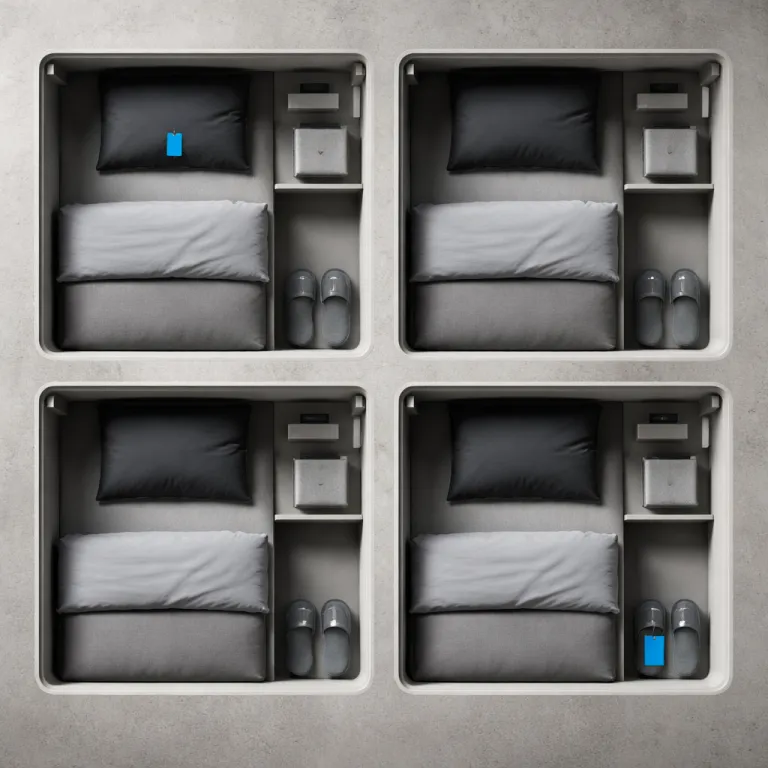
A capsule hotel is a compact, highly organized sleeping hotel where guests stay in small pods stacked in rows. Each capsule is usually just large enough for a bed, a bit of luggage, and basic amenities like a reading light, power outlet, and sometimes a small TV. Shared bathrooms, showers, and lounge areas are standard, and room service is rare. Capsule hotels are common near major train stations in Tokyo, Osaka, and other big cities, and they are designed for solo travelers who want a quiet, efficient place to sleep.
Hostels, by contrast, focus on social interaction and shared spaces. A typical hostel room in Japan might have four to ten beds, with bunk beds arranged so people can share a room at a low nightly rate. Many hostels also offer private rooms for couples or friends who want more privacy. Guests usually share bathrooms and kitchens, and common areas are set up for meeting other people, working remotely, or planning trips together. While some hostels feel almost like small boutique hotels, others are simple, no-frills places to stay, so reading recent reviews is important before you book.
Price Comparison and How Averages Were Calculated
To compare prices, this article uses sample nightly rates from major booking platforms such as Trip.com and data summaries from travel cost trackers like Statista and NerdWallet. For each city, midweek prices were checked for one month in the current year, then averaged across at least ten properties per category. Luxury hotels and ultra-budget outliers were excluded so the numbers reflect typical capsule hotels and hostels rather than extreme deals. As of early 2024, these sources broadly agree that Japan’s budget accommodation remains cheaper than in many Western cities.
In Tokyo, this method shows capsule hotel beds often starting around the equivalent of US$25–40 per night for a standard capsule, while hostel dorm beds usually range from about US$20–35. In Kyoto, where demand is slightly lower outside peak seasons, capsule rooms average closer to US$20–30, and hostel dorm beds often fall between US$18–28. These figures are rounded ranges based on the median of sampled listings, not guaranteed prices, but they illustrate that hostels and capsule hotels in Japan usually cost less than half the nightly rate of mid-range hotels in the same neighborhoods. For example, a recent Trip.com search in Shinjuku (March 2024) showed a capsule bed at nine hours Shinjuku-North for under US$35 while nearby business hotels were roughly double.
Room Types, Space, and Sleeping Experience
Capsule hotel rooms are really just sleeping pods, but they are designed to feel cozy rather than cramped. A standard capsule is usually about two meters long and one meter wide, with enough height to sit up. Inside, you will find a mattress, bedding, a small shelf, and controls for lights and ventilation. Some newer capsule hotels in Tokyo and Kyoto add adjustable mattresses, blackout curtains, and white-noise systems so people can sleep well even when others are coming and going. Because each capsule is enclosed, the sleeping area feels more private than a typical hostel bunk bed, and many guests describe the pod as a small personal space where they can unwind.
Hostel rooms, on the other hand, give you more physical space but less separation from other guests. In a shared dorm, you might have a bunk with a curtain, a reading light, and a small locker. The room itself can feel airy, especially in hostels that limit occupancy to four or six beds, but you still hear people moving around, chatting, or packing. For travelers who like to stay with friends, a private hostel room can be a good compromise: you share a room with people you know while still using shared bathrooms and common areas. One traveler who stayed at Piece Hostel Kyoto in 2023 noted that the larger room and lounge made it easy to relax with friends, even though they still had to share a bathroom with other guests.
Amenities, Shared Bathrooms, and Daily Comfort
Most capsule hotels in Japan emphasize cleanliness and efficient amenities. Guests usually have access to shared bathrooms, showers, and sometimes a public bath or sauna. Toiletries such as shampoo, body wash, and disposable razors are often included, and many properties provide loungewear so you can move comfortably between your capsule, the bathroom, and the lounge. While you should not expect full room service, some capsule hotels offer vending machines, coin-operated laundry, and simple food options like microwavable meals or free breakfast items such as toast and coffee. In well-reviewed capsule hotels, the combination of quiet pods, hot showers, and reliable Wi‑Fi makes the overall sleeping experience feel surprisingly close to a compact business hotel.
Hostels vary more in the amenities they provide. Many modern hostels in Tokyo, Kyoto, and other popular cities now offer free breakfast, shared kitchens, and comfortable lounges where people can work or relax. Bathrooms are usually shared, and cleanliness standards are generally high, but the experience depends heavily on how busy the hostel is and how considerate other guests are. Unlike capsule hotels, some hostels also organize social events, walking tours, or group dinners, which can be a big plus for solo travelers who want to meet people rather than just sleep and move on. If you value cooking your own meals, chatting with other guests late at night, and having staff who can share local tips, a hostel’s shared kitchen and common room may feel more welcoming than a quiet capsule floor.
Privacy, Safety, and Who Each Option Suits Best
Privacy is one of the main reasons travelers choose capsule hotels over hostels. Even though you share a bathroom and common areas, your capsule feels like a small personal room where you can close a curtain or door and retreat from the shared space. Lockers or secure storage areas are usually provided for luggage, and many capsule hotels have quiet hours and strict rules about noise. This setup can help guests feel safe, especially in busy cities where they want a calm place to sleep after a long day. For light sleepers or people who prefer a predictable routine, the structured layout of a capsule hotel often works well.
Hostels, in contrast, trade some privacy for social connection. In a shared dorm, you sleep in the same room as several other people, which can feel less private even if each bed has a curtain. However, hostels often attract travelers who enjoy meeting people, sharing tips, and sometimes planning day trips together. For groups of friends, booking a private hostel room can offer a good balance: you stay together, share a bathroom with other guests, and still pay less than for most hotels. Both capsule hotels and hostels in Japan typically have staffed reception areas, keycard access, and clear rules, which helps most guests feel safe during their stay. If you are nervous about your first stay in a shared room, choosing a highly rated property in a central neighborhood like Shibuya or Kyoto Station can make the experience feel more reassuring.
Real-World Examples and How to Decide
Recent booking data from Trip.com and similar platforms shows that in central Tokyo, capsule hotels near major stations like Shinjuku or Ueno often sell out on weekends, especially during spring and autumn. This pattern suggests that many people use capsule hotels as a convenient, last-minute place to sleep when regular hotels are full or expensive. In Kyoto, hostels close to popular temples and train lines show higher occupancy during festival periods, reflecting demand from backpackers and budget travelers who prefer shared rooms and social spaces. Staff at K’s House Kyoto, for instance, report that dorm beds fill quickly during Gion Matsuri, while quieter winter weeks attract remote workers who stay longer and use the common room as a coworking space.
When deciding between a capsule hotel, a hostel, or a traditional hotel, think about how you like to travel. If you mainly need a clean, quiet bed and do not mind a shared bathroom, a capsule hotel can feel like a compact, efficient version of a business hotel. If you want to meet other travelers, cook simple meals, and share stories with people from around the world, a hostel might suit you better. Travelers who prioritize full privacy, private bathrooms, and services like daily room cleaning or room service will still be happier in standard hotels, even if they pay more per night. By weighing price, privacy, amenities, and how social you want your trip to be, you can choose the type of room that will make your time in Japan both comfortable and memorable, whether you stay in Tokyo, Kyoto, or smaller cities along the way.