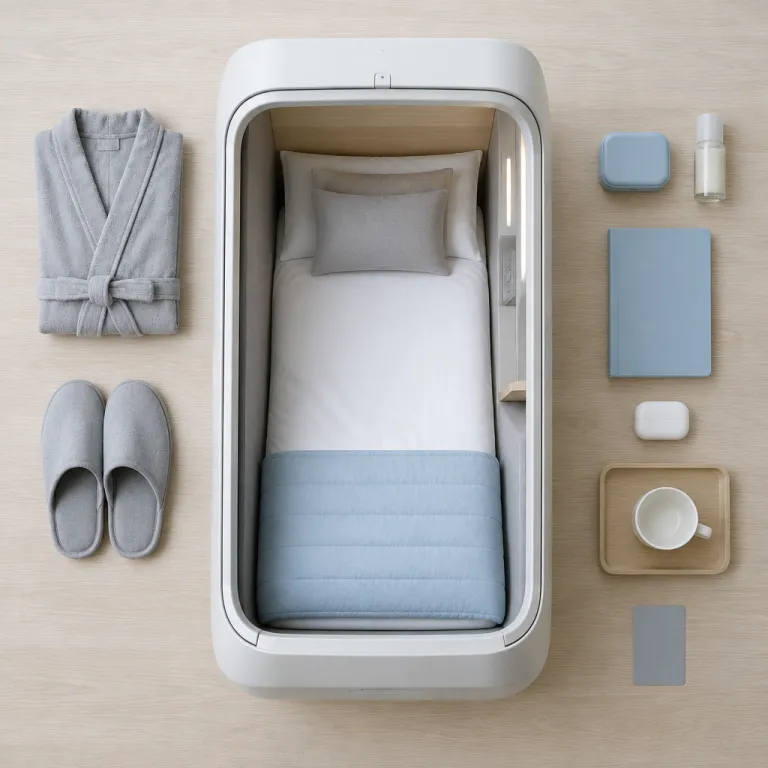
Understanding the best place to stay in Tokyo first time
Choosing the best place to stay in Tokyo first time can feel overwhelming. The city stretches for kilometres, each area offering a different rhythm, and first-time visitors often underestimate how much the choice of neighbourhood shapes the entire trip. For a luxury or premium capsule hotel experience, picking the right district can mean short walks, effortless train connections, and a calm room that still feels close to the action.
Tokyo is a layered city where a single train station can open onto skyscrapers, shrines, and quiet residential streets. When you plan a stay Tokyo itinerary, think of the city as a collection of villages, each with its own character, price range, and style of hotels. For first-time visitors who want a refined capsule room, the smartest strategy is to match your travel personality with a specific area to stay rather than chasing every landmark in one trip.
For many travellers, the question is not only which hotel to book but which Tokyo neighbourhood will feel intuitive on day one. Luxury capsule hotels in Japan now offer modern pods with premium bedding, spa-level showers, and elegant lounges, so the area around them becomes the real differentiator. Whether you choose Shinjuku, Shibuya, Ginza, Asakusa, Ueno, or Minato City, the best places to stay will balance convenience, atmosphere, and easy access to a major train station.
Shinjuku and Shibuya capsules: energy, nightlife, and easy connections
For many first timers, the best place to stay in Tokyo first time is somewhere between Shinjuku and Shibuya. These twin hubs form the beating heart of western Tokyo, and the Shinjuku–Shibuya corridor offers unmatched nightlife, shopping, and transport for visitors who want to feel the city’s pulse. A luxury capsule hotel here lets you step from a quiet pod into neon streets within a one- to three-minute walk.
In Shinjuku, popular premium capsule options include nine hours woman Shinjuku (around ¥5,000–¥9,000 per night, roughly a 5-minute walk from Shinjuku Station), Capsule Hotel Anshin Oyado Premier Shinjuku Station (typically ¥6,000–¥11,000, about 2–3 minutes on foot), and The Millennials Shibuya–style concepts replicated nearby with semi-private pods and co-working lounges. These properties usually feature large public baths, saunas, and quiet workspaces, which appeal to travellers who want hotel-level comfort in a compact format.
Shinjuku Station is one of the busiest train hubs in Japan, with direct lines to Tokyo Station, Ueno, and Haneda Airport via transfers. Staying near this station means your capsule room becomes a launchpad for day trips while still keeping the best restaurants and bars within a short stroll. If you plan a stay Tokyo focused on late nights and early departures, this area is exceptionally practical, with most platforms reachable in under 10 minutes on foot from nearby hotels.
Shibuya, famous for its scramble crossing, has evolved into a more polished, modern district with new hotels and upscale capsule concepts. Well-known premium pod properties include The Millennials Shibuya (often ¥7,000–¥13,000 per night, about 7 minutes from Shibuya Station), Nadeshiko Hotel Shibuya for women-only capsule stays (around ¥6,000–¥10,000, roughly 8–10 minutes on foot), and do-c Ebisu with sauna-focused capsules (commonly ¥4,000–¥8,000, one train stop or a 10–12-minute walk from Shibuya). Many premium pods here offer larger sleeping spaces, dedicated female floors, and serene lounges overlooking the city, which suits first-time visitors who want style without sacrificing budget.
Ginza, Tokyo Station, and Minato City: refined capsules for design lovers
Travellers who value calm streets, refined shopping, and easy airport access often find the best place to stay in Tokyo first time around Ginza or Tokyo Station. Ginza Tokyo is known for its luxury brands and art galleries, yet several high-end capsule hotels hide on side streets, offering quiet rooms with premium linens and minimalist Japanese design. Examples include First Cabin Kyobashi (usually ¥6,000–¥11,000 per night, about 8–10 minutes’ walk from Tokyo Station and close to Ginza), First Cabin Tsukiji near the market area (around ¥5,000–¥9,000, roughly 10 minutes from Higashi-Ginza Station), and nine hours woman Ginza–style properties with sleek, monochrome pods. These hotels suit first timers who want a sophisticated stay without paying for a full suite.
Near Tokyo Station, you gain direct shinkansen access to other parts of Japan, which is ideal if your stay Tokyo includes Kyoto or Osaka. Capsule-style properties such as First Cabin Tokyo Dome City (typically ¥5,000–¥9,000 per night, about 10 minutes by train from Tokyo Station), nine hours Otemachi-Imperial Palace (around ¥5,000–¥10,000, roughly a 5-minute walk from Otemachi Station and one stop from Tokyo Station), and compact business capsules in the Yaesu area cater to travellers who prioritise rail connections. These hotels often provide modern facilities, efficient check-in, and pods designed for deep sleep after long train journeys, with most platforms at Tokyo Station reachable in about 5–15 minutes from nearby properties.
Minato City, which includes landmarks such as Tokyo Tower and several embassies, offers a different flavour of urban luxury. Here, some capsule-style properties blend art, gastronomy, and compact rooms, echoing the hybrid concepts seen in international destinations like the Venice hostel with a luxury capsule twist. Notable examples include First Cabin Atagoyama (commonly ¥5,000–¥9,000 per night, about 8–10 minutes from Onarimon or Kamiyacho stations), nine hours Hamamatsucho (around ¥4,500–¥9,000, roughly 5 minutes from Hamamatsucho Station with direct trains to Haneda), and design-focused hotels near Park Hotel Tokyo that offer capsule-like compact rooms with curated art. Staying here gives you skyline views, quick access to business districts, and rail links to both Haneda Airport and central Tokyo in under 30–40 minutes.
Asakusa and Ueno: heritage, parks, and thoughtful capsule comfort
For travellers who want tradition close at hand, the best place to stay in Tokyo first time may be Asakusa or Ueno. Asakusa offers temples, river views, and narrow streets, and several capsule hotels here blend tatami-inspired aesthetics with modern pods and quiet rooms. Well-regarded options include Capsule Hotel Anshin Oyado Premier Tokyo Shinjuku Station Annex–style concepts adapted for Asakusa, BUNKA Hostel Tokyo with semi-capsule bunks (often ¥3,500–¥8,000 per night, about 5 minutes from Asakusa Station), and Khaosan Tokyo Samurai with pod-style beds (typically ¥3,000–¥7,000, roughly 6–8 minutes on foot). This area works well for first timers who prefer early mornings at Senso-ji over late nights in Shinjuku.
Ueno, by contrast, is anchored by Ueno Park, a vast green space filled with museums, shrines, and seasonal blossoms. Capsule hotels near Ueno Station often provide excellent value, with mid-range prices and easy access to both Tokyo Station and northern Japan via the shinkansen. Examples include Capsule Hotel Anshin Oyado Premier Ueno (usually ¥4,500–¥9,000 per night, about 2–3 minutes from Ueno Station), Ueno Station Hostel Oriental (around ¥3,000–¥6,000, roughly 5 minutes on foot), and Centurion Hotel & Spa Ueno Station with capsule-style rooms (commonly ¥5,000–¥10,000, a short walk from the station). If you enjoy walking, being a few minutes from the park means you can start each day with fresh air before diving into the city.
Both Asakusa and Ueno give first-time visitors a softer introduction to Tokyo, with slower streets and more local eateries. Rooms in these hotels may be slightly smaller than in Shinjuku–Shibuya properties, but thoughtful layouts and modern amenities keep the stay comfortable. For many first-time travellers, these areas offer the best balance between cultural immersion, budget control, and straightforward navigation from any nearby train station.
Green spaces and urban calm: choosing a capsule near parks
Another way to decide on the best place to stay in Tokyo first time is to look at proximity to parks. Staying near a major green space gives you a daily escape from the city’s intensity, which matters when your room is compact, even in a luxury capsule hotel. Yoyogi Park, Ueno Park, and the gardens around Tokyo Tower all anchor neighbourhoods where premium capsules feel surprisingly tranquil.
Near Yoyogi Park, between Shinjuku and Shibuya, you will find hotels that cater to runners, cyclists, and creative professionals. Capsule-style and compact hotels such as Commun SHIBUYA with pod beds (often ¥4,000–¥9,000 per night, about 10–12 minutes from Shibuya Station), do-c Ebisu with sauna capsules (roughly 15–20 minutes’ walk or one train stop from the park), and The Millennials Shibuya (around 15 minutes on foot to Yoyogi Park) attract guests who value both greenery and nightlife. A stay Tokyo in this corridor lets you enjoy coffee shops, galleries, and quiet backstreets, while still being a short walk from either Shinjuku Station or Shibuya Station.
In Minato City, parks and waterfront promenades sit close to modern office towers and embassies. Choosing a capsule hotel near Tokyo Tower or a property similar in spirit to Park Hotel Tokyo means you can enjoy skyline views at night and leafy walks by day. Capsule-style options such as First Cabin Atagoyama (about 15 minutes on foot from Tokyo Tower), nine hours Hamamatsucho (roughly 15–20 minutes’ walk or a short train ride to the tower), and compact design hotels in Shiba Park typically range from ¥4,500–¥9,500 per night. If you want more guidance on finding refined capsule properties in dense urban areas, a curated guide to a refined pipeline of luxury capsule hotel hidden gems can help you shortlist the best places to stay for your style.
Practical tips for first time capsule guests in Tokyo
Once you have chosen the best place to stay in Tokyo first time, focus on capsule-specific etiquette and logistics. Many luxury capsule hotels in Japan provide spacious lockers, premium toiletries, and quiet zones, but they still expect guests to respect shared spaces. Pack light, use soft luggage, and keep your sleeping area tidy so you can move easily in and out of your pod.
Location remains crucial, especially for first-time visitors who rely on trains. Aim for a hotel within a five- to ten-minute walk of a major train station such as Shinjuku Station, Tokyo Station, or Ueno Station, which simplifies airport transfers from Haneda Airport and day trips across the city. When comparing hotels, look beyond the headline price and check whether the rooms include amenities such as blackout curtains, high-quality mattresses, and secure storage.
For first timers, a mid-range capsule in a central area often delivers the best overall value. You gain a modern, well-designed pod, access to lounges that feel almost like a private club, and the freedom to spend more on dining and experiences. Whether your stay Tokyo focuses on shopping in Ginza Tokyo, temple visits in Asakusa, or skyline views from Tokyo Tower, a carefully chosen capsule hotel can elevate every moment of your trip.
Matching neighbourhoods to travel styles for Tokyo first timers
Different personalities will define the best place to stay in Tokyo first time in very different ways. Night owls and food lovers usually gravitate toward Shinjuku–Shibuya, where late-closing izakaya, ramen counters, and bars sit close to capsule hotels with 24-hour access. Those who prefer art, design, and quiet streets often feel more at home in Ginza Tokyo or Minato City.
History enthusiasts and slow travellers may find their ideal place to stay in Asakusa or Ueno, where traditional shops and museums line the streets around the main park. Families or cautious first timers sometimes choose areas near Tokyo Station, where signage is clear, connections are simple, and hotels cater to international guests with multilingual staff. In every case, the goal is to align your stay Tokyo with the rhythm you enjoy most, rather than chasing every district in a single trip.
When you compare places to stay, think in terms of daily routines rather than just landmarks. Ask yourself where you want to walk at night, how long you are comfortable commuting from your room to key sights, and whether you prefer modern skyscraper views or low-rise neighbourhoods. By matching your priorities to a specific area, you turn a vast city into a series of familiar streets, making your first journey to Tokyo feel both manageable and deeply rewarding.
Key figures on capsule hotels and Tokyo travel
- According to the Japan National Tourism Organization (JNTO), international arrivals to Japan exceeded 31.9 million visitors in 2019 before the global travel slowdown, highlighting how competitive the best place to stay in Tokyo first time has become for popular neighbourhoods.
- Data from the Tokyo Metropolitan Government’s tourism statistics show that Shinjuku, Shibuya, and Minato City collectively account for a significant share of hotel room supply in the city, which explains why first timers find so many capsule options near each major train station.
- Industry reports on Japan’s accommodation sector indicate that capsule and pod-style hotels can offer roughly 20–30 percent more beds per floor than traditional hotels, allowing mid-range properties in areas like Ginza Tokyo and Ueno to invest more in premium materials and modern amenities.
- Surveys of international travellers conducted by major online travel agencies consistently rank proximity to a station within a five-minute walk as one of the top decision factors when choosing where to stay Tokyo, especially for first-time visitors navigating the rail network for the first time.
FAQ: choosing the best place to stay in Tokyo first time
Is Shinjuku or Shibuya better for first time visitors ?
Shinjuku suits travellers who prioritise transport, nightlife, and a dense concentration of hotels, including luxury capsules near Shinjuku Station. Shibuya feels slightly more compact and youthful, with easy access to Yoyogi Park and stylish mid-range properties. For many first timers, staying between the two areas offers the best balance of energy and convenience.
Is a capsule hotel comfortable enough for a longer stay ?
Modern capsule hotels in Tokyo are designed for comfort, with high-quality mattresses, sound insulation, and well-maintained shared facilities. For a stay of three to seven nights, many travellers find that a premium capsule room in a central area offers better value than a small traditional hotel room. The key is to choose a property with good reviews for cleanliness, locker space, and quiet hours.
Which neighbourhood is best for easy airport access from Haneda Airport ?
Areas around Tokyo Station, Shinjuku, and parts of Minato City offer straightforward rail links to Haneda Airport. If you stay within a short walk of a major train station on these lines, you can usually reach the airport in under an hour. This makes them strong candidates for the best place to stay in Tokyo first time when you have early flights or heavy luggage.
Are capsule hotels suitable for couples or small groups ?
Many luxury and mid-range capsule hotels in Japan welcome couples and small groups, although pods are usually sold individually. Some properties offer adjacent rooms, double capsules, or shared lounges where you can relax together outside your sleeping pod. When booking, check the hotel’s policies and layout to ensure the configuration suits your travel style.
How should I choose between Asakusa, Ueno, and Ginza Tokyo ?
Asakusa is ideal if you want temples, traditional streets, and a quieter pace, while Ueno offers museums, Ueno Park, and good-value hotels near the station. Ginza Tokyo provides upscale shopping, refined dining, and polished capsule options that appeal to design-conscious first timers. Your choice should reflect whether you prioritise heritage, budget, or a more luxurious urban atmosphere during your stay Tokyo.