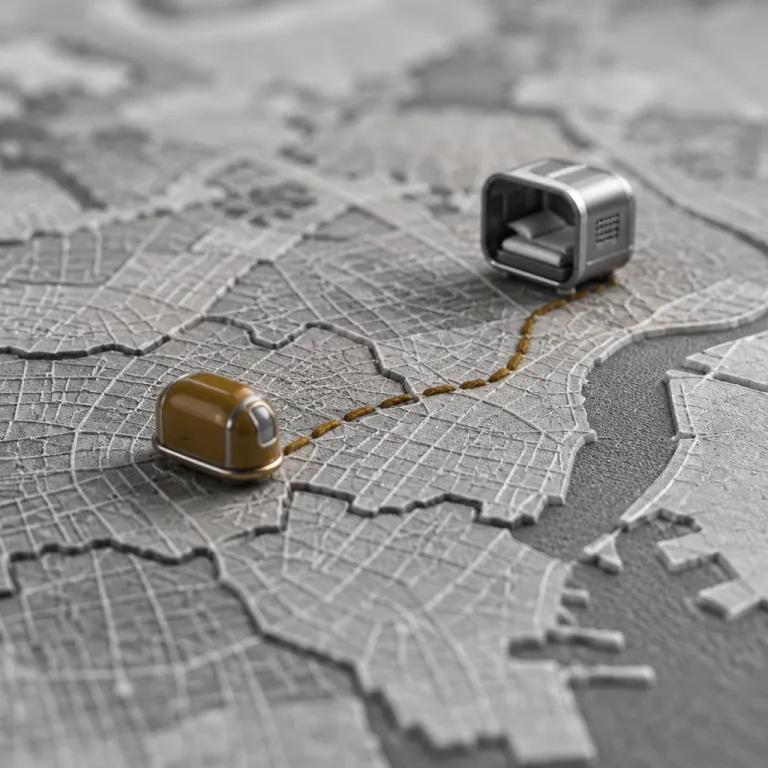
Reading a tokyo neighborhoods map for luxury capsule stays
A refined tokyo neighborhoods map is the starting point for any elegant capsule stay in tokyo. When you understand how each neighborhood in this vast city shapes your travel, you can match a premium capsule hotel to the rhythm of your trip. A clear overview of tokyo’s central districts also helps you balance shopping, culture, and efficient access to every station you will use.
Think of tokyo city as a constellation of distinct districts rather than one single mass. The official special wards form the dense core of tokyo metropolitan life, and a good travel guide should show how each district connects by tokyo metro and JR lines. When you overlay capsule hotel locations on that same city map, you immediately see which areas offer the best places for late night dining, early departures, or quiet rest.
Central tokyo is anchored by tokyo station, the imperial palace grounds, and the business heavy marunouchi district. A detailed neighborhood diagram will highlight how quickly you can move from this central tokyo hub to shinjuku, shibuya, ueno, or asakusa for sightseeing. For luxury and premium capsule guests, this clarity turns a complex tokyo travel plan into a calm, predictable day.
Many travelers arrive with a mental image of tokyo as a neon city of endless shopping and nightlife. The reality is more nuanced, and a precise map of tokyo’s layout reveals quiet residential streets, serene shrines, and waterfront promenades along tokyo bay. Choosing a capsule hotel becomes easier when you can see which neighborhood offers the right balance between energy and tranquility for your stay in japan.
When planning a multi day itinerary, use your tokyo neighborhoods map to cluster experiences by area. Spend one day around shibuya and shibuya harajuku, another in east tokyo near asakusa and ueno, and a third between ginza and tokyo tower. This approach minimizes time spent in transit and maximizes the premium comfort you actually enjoy inside your capsule.
Shinjuku and shibuya on the tokyo neighborhoods map
On any detailed tokyo neighborhoods map, shinjuku appears as one of the most strategic hubs for capsule hotel guests. Shinjuku station is among the busiest railway hubs in the world, which means you can reach almost any district in tokyo metropolitan life with a single transfer. For travelers who value efficiency, a luxury capsule near this station turns complex tokyo travel into a smooth routine.
Shinjuku city blocks combine skyscraper hotels, department stores, and the serene greenery of shinjuku gyoen national garden. The nearby metropolitan government buildings offer free observation decks, giving you a panoramic view of tokyo city and its special wards. From this vantage point, you can literally see how central tokyo stretches toward tokyo bay, roppongi hills, and the distant outline of odaiba.
Shibuya sits just a few minutes away on the tokyo metro or JR lines, and it deserves its own careful reading on your map of tokyo’s western side. The famous shibuya crossing, the youth fashion streets of shibuya harajuku, and the dense shopping area around shibuya station create a lively base for a stylish capsule stay. If your travel guide emphasizes nightlife and trend focused shopping, this neighborhood will likely appear among the best places to stay.
Premium capsule hotels in both shinjuku and shibuya often cater to international guests who value design, privacy, and seamless digital check in. When you compare options, look at walking distances on your tokyo neighborhoods map from each capsule property to the nearest station exits. For example, a capsule three minutes from shinjuku station’s south exit feels very different from one that requires a 10 minute walk through underground passages. This small detail can transform an early morning airport transfer or a late night return from roppongi into a short, pleasant stroll instead of a stressful dash.
For travelers planning an onward flight, it is worth pairing your tokyo city stay with a refined airport rest option such as how to book JFK sleep pods for a truly premium airport layover. The same logic you apply to a tokyo neighborhoods map, focusing on station access and quiet corners, will help you choose the right capsule style rest in any major city. Thinking this way keeps your entire journey, from tokyo metropolitan nights to long haul flights, aligned with comfort and control.
Ginza, roppongi, and tokyo tower for upscale urban energy
When your tokyo neighborhoods map shifts toward refined evenings and art focused days, ginza and roppongi become central. Ginza is renowned across japan for its luxury shopping streets, flagship department stores, and discreet cocktail bars tucked above the main avenues. A capsule hotel near this district can feel surprisingly premium, especially when it offers spa style showers and quiet pods after a long day in the city.
Ginza sits between tokyo station and tokyo bay, which makes it easy to reach both business meetings and waterfront walks. On your map of central tokyo, trace the short distance from tokyo station to the heart of ginza, then onward to the imperial palace area for a morning run or evening stroll. This triangle of central tokyo is ideal for travelers who want a compact, walkable base without sacrificing access to the wider tokyo metropolitan network.
Roppongi and roppongi hills appear slightly southwest on most tokyo travel maps, and they offer a different flavor of luxury. The roppongi hills complex blends art museums, upscale shopping, and panoramic city views, making it a favorite neighborhood for design conscious visitors. From here, you can often see tokyo tower illuminated at night, rising above the surrounding district like a modern landmark.
Choosing a capsule hotel in or near roppongi can work well for travelers who plan late dinners, gallery visits, and bar hopping. Use your tokyo neighborhoods map to check last train times on the tokyo metro and JR lines back to your capsule, especially if you stay in another area such as shinjuku or shibuya. For instance, JR yamanote line trains from shibuya toward shinjuku typically run until around 00:30, while some tokyo metro lines stop closer to midnight, so knowing your final departure helps you avoid rushed endings to the night. This simple habit keeps your travel day elegant rather than rushed, and it protects the calm atmosphere you expect from a premium capsule stay.
Urban explorers who enjoy comparing cities may appreciate how roppongi’s creative energy contrasts with the political formality of washington DC, where capsule style stays are emerging in hostels with elevated comfort such as those described in elegant capsule stays in a Washington DC hostel scene with premium comfort. Reading a tokyo neighborhoods map alongside a map of another global city can sharpen your sense of which district best matches your own rhythm. That awareness leads to more confident choices when you book luxury or premium capsules in any major destination.
Asakusa, ueno, and east tokyo for culture rich days
Shift your tokyo neighborhoods map toward the northeast, and a different mood appears around asakusa and ueno. This part of east tokyo preserves more of the city’s traditional streetscapes, temple complexes, and older shopping arcades. For many travelers, a capsule hotel in this area offers a calm base after days filled with cultural visits.
Asakusa is anchored by Sensō ji temple, one of the most visited religious sites in japan, and the surrounding district is lined with small shops selling crafts, snacks, and kimono accessories. When you study your map of tokyo’s rail network, note how the asakusa neighborhood connects by tokyo metro and private lines to both central tokyo and tokyo bay. This connectivity allows you to enjoy a quiet morning at the temple, then reach modern areas like odaiba or roppongi hills without complicated transfers.
Ueno, just a few stops away, is another key point on any serious tokyo travel guide. Ueno park concentrates several major museums, a zoo, and seasonal events, making it ideal for a full day of exploration. Capsule hotels near ueno station are particularly convenient for travelers using regional trains, and your tokyo neighborhoods map will show how quickly you can reach tokyo station or shinjuku from here.
East tokyo also offers practical advantages for longer stays, including more affordable dining and easier access to local services such as currency exchange counters. When you plan your travel day, mark these services on your tokyo neighborhoods map so you are never searching under pressure. This is especially useful for guests in luxury capsule properties who prefer to keep their time inside the capsule focused on rest rather than logistics.
Travelers who appreciate structured planning can benefit from resources that explain how to locate refined capsule options in dense urban areas, such as the guidance in how to find capsule hotels near me for a refined stress free stay. Applying those principles to your tokyo neighborhoods map helps you align capsule locations with the cultural districts you value most. The result is a travel guide that feels tailored to your interests rather than a generic list of attractions.
Odaiba, tokyo bay, and waterfront perspectives on the city
When your tokyo neighborhoods map reaches the waterfront, odaiba and the broader tokyo bay area introduce a more spacious, futuristic side of the city. Built on reclaimed land, this district features wide promenades, large shopping complexes, and entertainment venues with sweeping views across the water. For capsule hotel guests, staying near tokyo bay can feel like a retreat from the denser special wards while remaining firmly within tokyo metropolitan life.
Odaiba’s malls and entertainment centers provide extensive shopping opportunities, from fashion to electronics, often under one roof. On your map tokyo overview, you will see how this area connects by the Yurikamome line and other rail links back to central tokyo, shimbashi, and beyond. This makes it realistic to spend a full day by the bay, then return to a capsule in shinjuku, ginza, or roppongi without long transfers.
Some travelers choose to base themselves directly in the tokyo bay district, especially if they value open views and quieter evenings. In that case, your tokyo neighborhoods map should highlight ferry routes, rail stations, and walking paths that connect your capsule hotel to key points such as tokyo tower, the imperial palace area, and tokyo station. This perspective reinforces how tokyo city is not only a vertical metropolis but also a maritime one shaped by its bay.
Waterfront stays can be particularly appealing for guests who combine business and leisure, as meeting venues and exhibition centers often cluster near tokyo bay. A well designed travel guide will show how to move efficiently between these venues, your capsule, and evening dining districts like ginza or roppongi. When you see these routes clearly on your tokyo neighborhoods map, you can schedule meetings and leisure time with confidence.
For luxury and premium capsule travelers, the contrast between the calm of tokyo bay and the intensity of central tokyo adds depth to the overall experience. Alternating days between waterfront walks, cultural visits in east tokyo, and nightlife in shibuya or shinjuku keeps your itinerary balanced. This rhythm, supported by a precise map tokyo layout, turns a complex city into a series of elegant, manageable neighborhoods.
Practical mapping tips for premium capsule hotel guests
Using a tokyo neighborhoods map effectively is as much about details as it is about big picture planning. Start by marking every station you expect to use, including JR hubs, tokyo metro stops, and private lines that serve your chosen neighborhood. Then add layers for shopping streets, department stores, cultural sites, and any capsule hotels you are considering.
When comparing luxury and premium capsule options, measure walking distances in minutes rather than abstract map units. A capsule that appears close to a station on your map tokyo view may involve complex crossings or underground passages, especially around shinjuku station or tokyo station. Reading reviews with this in mind helps you interpret comments about convenience and noise levels more accurately.
Currency exchange access is another practical layer to add to your tokyo neighborhoods map, particularly if you prefer cash for small purchases in japan. Mark reliable exchange counters near major hubs such as shinjuku, shibuya, ueno, and ginza, and note their typical opening hours in your travel guide. This prevents last minute searches and keeps your travel day focused on experiences rather than errands.
Safety and comfort also benefit from thoughtful mapping. Highlight well lit routes between your capsule hotel and the nearest station, especially in nightlife heavy districts like roppongi or shibuya, and consider alternative paths for late returns. In quieter neighborhoods near the imperial palace or residential parts of east tokyo, your tokyo neighborhoods map can help you find scenic walks that feel both secure and relaxing.
Finally, remember that tokyo metropolitan authorities regularly update transport information, so cross check any printed map with official digital resources before you travel. Combining a static tokyo neighborhoods map with live data from transport operators gives you both strategic clarity and real time flexibility. This blend of planning and adaptability is exactly what supports a refined, low stress stay in luxury and premium capsule hotels across tokyo city.
Key figures for navigating tokyo neighborhoods with confidence
- Tokyo metropolitan rail networks carry several million passengers per day across JR, tokyo metro, and private lines, which explains why station proximity is a decisive factor when choosing capsule hotels.
- Shinjuku station handles well over a million passenger movements daily, making it one of the busiest hubs globally and a central anchor on any tokyo neighborhoods map.
- Tokyo bay reclamation and development have created extensive new urban districts such as odaiba, adding many hectares of land that now host shopping centers, entertainment venues, and hotels.
- Major shopping districts like ginza, shibuya, and shinjuku concentrate a high percentage of the city’s department stores, which is why many luxury and premium capsule properties cluster within walking distance of these areas.
- Key cultural zones in east tokyo, including asakusa and ueno, attract millions of visitors annually, so mapping quieter side streets and alternative station exits can significantly reduce crowd related stress during peak seasons.
FAQ about using a tokyo neighborhoods map for capsule hotel stays
Which neighborhood is best for a first capsule stay in tokyo ?
For a first visit, shinjuku and shibuya are often the best places because they combine excellent station access, varied shopping, and straightforward connections across tokyo metropolitan rail lines. A tokyo neighborhoods map will show how these hubs link to major sights like the imperial palace, tokyo tower, and asakusa. This makes it easy to explore widely while returning to a familiar, well connected base each night.
How close should my capsule hotel be to a station ?
For luxury and premium comfort, aim for a walking time of five to eight minutes from your capsule to the nearest station exit. On a detailed map tokyo layout, check for major road crossings or complex underground passages that might extend this time. Short, simple walks reduce fatigue and keep your travel day smooth, especially when carrying luggage.
Is it better to stay in central tokyo or near tokyo bay ?
Central tokyo, around tokyo station, ginza, and shinjuku, is ideal if you plan intensive sightseeing and frequent train use. The tokyo bay and odaiba area suits travelers who prefer open views, waterfront walks, and a slightly slower pace. Your tokyo neighborhoods map can help you compare travel times from each option to the districts you care about most.
How can I use a tokyo neighborhoods map to avoid crowds ?
Use your map to identify alternative station exits, side streets, and parallel routes around busy hubs like shibuya, ueno, and asakusa. Plan visits to popular sights early in the day, then shift to quieter neighborhoods or indoor venues during peak hours. This strategy keeps your movements efficient and preserves the calm atmosphere you expect from a premium capsule stay.
Do I need both a paper map and digital navigation in tokyo ?
A paper tokyo neighborhoods map offers an excellent overview of how districts connect, while digital tools provide real time train data and walking directions. Using both together is especially helpful in complex areas such as shinjuku station or roppongi hills. This combination supports confident navigation and reduces the risk of getting lost when returning to your capsule hotel at night.
References
- Japan National Tourism Organization (JNTO)
- Tokyo Metropolitan Government tourism information
- East Japan Railway Company (JR East) passenger statistics