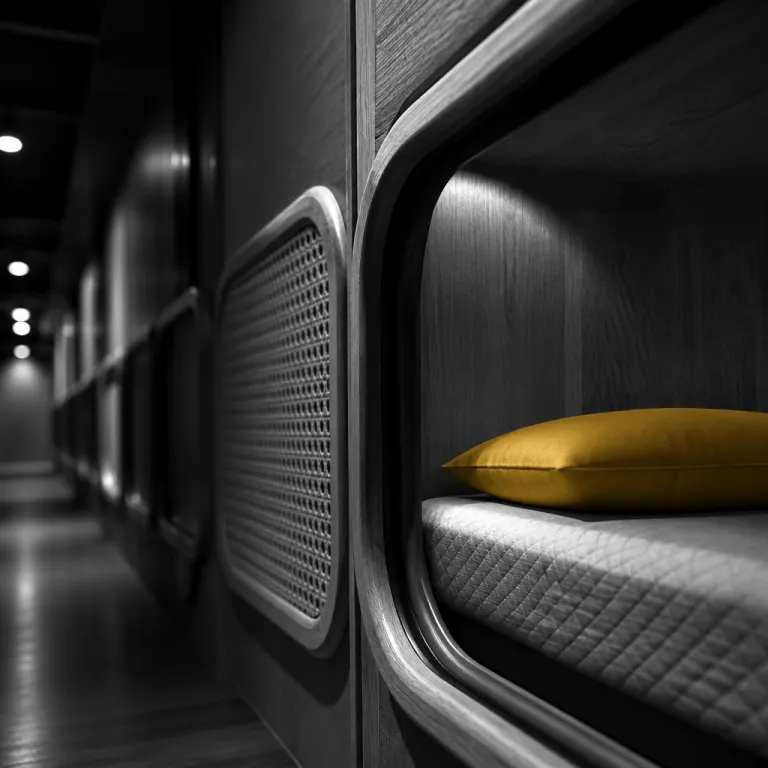
The rise of the capsule hotel Southeast Asia scene
Across southeast asia, the capsule hotel Southeast Asia landscape has shifted from novelty to serious option. In major cities across asia, capsule hotels now sit beside traditional hotels and the occasional luxury resort in the same central districts. For couples who once defaulted to a standard hotel or resort, the new capsule generation offers intimacy, design and hospitality that feel surprisingly luxurious.
In this region, capsule hotels are no longer just for solo backpackers or hurried business travelers. The hotel market has started to treat each capsule as a refined micro room, with better sound insulation, higher quality bedding and lighting that flatters rather than fatigues. Many of these hotels offer shared lounges that feel closer to a stylish house living room than a hostel dorm, which changes the guests experience entirely.
From bangkok to singapore and hong kong, operators are positioning each capsule hotel as part of a broader hotels niche focused on compact comfort. This capsule hotel Southeast Asia movement sits within the wider asia pacific trend where the global capsule concept is evolving fast. As demand from eco conscious millennials and design minded travelers will grow, the most ambitious capsule hotels in southeast asia are already experimenting with eco friendly materials, smarter user experience and warmer hospitality.
Why couples are turning to premium pods
Couple travelers used to equate luxury only with large suites and private pools. In capsule hotels across southeast asia, luxury now means a pod where the curtain closes, the air is perfectly cooled and the city noise disappears. The best capsule hotels offer a guests experience that feels curated, with thoughtful amenities, attentive but friendly staff and public spaces that invite lingering.
For many millennials and Gen X couples, the appeal lies in reallocating budget. Instead of paying for unused square metres in a conventional hotel, they choose a premium capsule and spend the difference on food, culture and wellness experiences. This shift is reshaping the hotel market in asia, as operators realise that future hospitality is not only about size but about precision and user experience.
Another driver is the rise hotels trend in urban centres where land is scarce and expensive. In dense districts of bangkok, singapore and hong kong, capsule hotels allow more guests to stay close to the action without sacrificing comfort. As more eco conscious travelers seek smaller footprints, the capsule hotel Southeast Asia model aligns neatly with both sustainability goals and the desire for central, walkable locations.
Bangkok and Thailand: from ultra budget pods to design led capsules
Bangkok is the most vivid laboratory for the capsule hotel Southeast Asia story, with options from bare bones pods to polished, design led capsules. Around Sukhumvit and Silom, capsule hotels sit above cafés and co working spaces, giving travelers instant access to nightlife and business districts. In these hotels, guests experience compact pods with crisp linens, individual reading lights and shared bathrooms that are cleaned with almost hotel singapore efficiency.
Budget focused properties near Khao San Road lean into the social side of hospitality. Here, capsule hotels offer simple capsules stacked efficiently, with communal lounges where millennials trade street food tips and plan island hopping routes across asia. These hotels offer a friendly atmosphere, but couples seeking quiet should check bathroom to capsule ratios and whether pods have solid doors or just curtains.
At the higher end of the hotel market, a new wave of capsule hotels in bangkok borrows cues from luxury resort design. You will find capsules with adjustable climate control, memory foam mattresses and sound dampening panels that rival more expensive hotels and resorts. For couples, the sweet spot is often a boutique capsule style property that offers fewer pods, more privacy and a guests experience that feels closer to a small design forward hotel than a hostel.
How to book the right pod in Bangkok
When choosing a capsule hotel in bangkok, start with location and transport. Properties near BTS or MRT stations make it easy for business travelers to move between meetings, while leisure travelers can reach temples and markets without long taxi rides. Look for hotels that clearly report pod dimensions, locker sizes and bathroom counts, as this transparency signals a more professional approach to hospitality.
Booking platforms that specialise in compact stays often surface the most interesting capsule hotels in southeast asia. For inspiration on how premium pods can feel in other contexts, study guides to booking airport sleep pods for a premium layover, then apply the same scrutiny to bangkok listings. Pay attention to user experience details in reviews, such as noise levels, air conditioning performance and how staff handle late night check ins.
Finally, consider whether the capsule hotel offers separate zones for socialising and sleeping. Couples usually appreciate hotels where the house like lounge sits away from the pod corridors, preserving quiet for rest. In bangkok, this separation often marks the difference between a basic capsule and a property that truly understands the future hospitality expectations of discerning travelers.
Singapore, Malaysia and the premium capsule sweet spot
Singapore has become the reference point for the premium capsule hotel Southeast Asia segment, especially for couples who value order and design. In the central business district and around Chinatown, capsule hotels offer pods with hotel level linens, individual safes and integrated ventilation that keeps each capsule fresh. These hotels in singapore often sit between hostels and a traditional hotel in price, but the guests experience feels far closer to a compact luxury stay.
The typical hotel singapore capsule property focuses heavily on user experience, from app based check in to clear wayfinding and quiet hours policies. Many of these hotels offer eco friendly touches such as refillable water stations, energy efficient lighting and minimal single use plastics, which appeal to eco conscious millennials. For travelers used to larger hotels and resorts, the surprise is how comfortable a well designed capsule can feel after a day exploring asia.
Across the causeway, Malaysia is building its own capsule hotel Southeast Asia identity, particularly in Kuala Lumpur. Here, capsule hotels range from airport transit pods to city centre properties that flirt with luxury through better materials and more generous shared spaces. For a deeper look at how elevated pods work in this context, explore this guide to luxury capsule hotels in Kuala Lumpur, which shows how the line between capsule and compact hotel is blurring.
Positioning between hostels and high end hotels
In both singapore and Malaysia, capsule hotels occupy a precise hotels niche. They attract travelers who want more privacy and polish than a hostel, but who do not need the full service layers of a luxury resort or large hotel. This positioning allows operators to invest in better mattresses, soundproofing and technology while keeping nightly rates accessible.
For couples, the value proposition is compelling. A premium capsule in singapore might cost less than half the price of a mid range hotel, yet the guests experience can feel more thoughtfully engineered. The focus on user experience, from intuitive lighting controls to well designed shared bathrooms, often surpasses what you find in older hotels that have not been renovated.
Malaysia’s capital is also experimenting with eco friendly and eco conscious concepts within capsule hotels. Some properties use recycled materials, smart climate systems and digital keys to reduce waste and energy consumption. As this regional hotel market will grow, expect more capsule hotels in southeast asia to adopt similar sustainability measures while still delivering the intimacy and efficiency that couples appreciate.
Indonesia, Vietnam and the Philippines: emerging capsule hotel markets
Indonesia’s most influential contribution to the capsule hotel Southeast Asia story is the Bobobox model. This homegrown brand treats each capsule as a smart micro room, with app controlled lighting, ventilation and access that appeal strongly to tech savvy millennials. Bobobox properties in cities like Jakarta and Bandung show how capsule hotels can scale across asia without losing their friendly, local character.
Vietnam is moving quickly from experiment to established player in the regional capsule landscape. In Ho Chi Minh City and Hanoi, capsule hotels now serve both domestic millennials and international travelers who want central locations at a fraction of hotel prices. Many of these hotels offer pods with simple but comfortable bedding, strong Wi Fi and shared lounges that feel like a relaxed house living room rather than a transient dorm.
The Philippines is seeing a quieter but steady rise hotels trend in Manila and key secondary cities. Capsule hotels there often target budget conscious domestic business travelers who need reliable sleep near transport hubs. While the design may be simpler than in singapore or bangkok, the hospitality is often warm and friendly, and the guests experience can be surprisingly efficient for short stays.
How regional culture shapes capsule experiences
Each of these countries brings its own heritage and travel culture to the capsule hotel Southeast Asia equation. In Indonesia, the emphasis on technology and app based services reflects a young, mobile first population that expects seamless user experience. Vietnam’s capsule hotels lean into social spaces and café style lobbies, mirroring the country’s vibrant street life and coffee culture.
In the Philippines, the focus on service and personal warmth shapes how staff interact with guests in capsule hotels. Even in compact spaces, hospitality teams often remember names, offer local tips and create a house like sense of belonging. This human layer matters as much as pod design, especially for couples who might be trying capsule stays for the first time.
Across these emerging markets, operators are watching the broader asia pacific and global capsule trends closely. As demand from eco conscious travelers and digital nomads will grow, expect more experimentation with eco friendly materials, flexible layouts and hybrid models that combine capsules with a small number of private rooms. For couples, this means a richer spectrum of experiences, from minimalist pods in Jakarta to more design driven capsules in Hanoi and Manila.
Design, privacy and security: what to look for in a capsule hotel
Choosing the right capsule hotel Southeast Asia property starts with understanding pod design. Some capsule hotels use simple curtains, which can feel airy but offer limited sound insulation and privacy for couples. Others install sliding doors or solid shutters, creating a more room like capsule that suits travelers who value quiet and intimacy.
Climate control is another non negotiable in the humid climates of southeast asia. The best capsule hotels offer individual vents or at least well balanced central systems that keep each capsule comfortable without drafts or hot spots. When reading any report or review, pay close attention to comments about air conditioning noise and consistency, as these details shape the guests experience more than many glossy photos.
Security deserves equal scrutiny, especially for couples carrying cameras and laptops. Look for hotels where each capsule comes with a locker large enough for both backpacks, ideally located near the pod rather than in a separate room. Properties that clearly report their security measures, from CCTV coverage to staffed receptions, tend to take overall hospitality and user experience more seriously.
Shared spaces, bathroom ratios and noise management
Shared bathrooms are the reality of most capsule hotels in southeast asia, so ratios matter. A comfortable benchmark is roughly one shower for every six to eight capsules, though premium properties sometimes offer more generous allocations. When hotels offer clear data on bathroom counts and cleaning schedules, it signals a professional approach that benefits all guests.
Lounges and social areas also shape how a capsule hotel feels for couples. Spaces that are set slightly apart from the sleeping corridors allow travelers to talk, work and enjoy drinks without disturbing others, which improves the overall guests experience. Some capsule hotels even create quiet zones and social zones, a simple design move that dramatically improves user experience for both introverts and extroverts.
Noise policies are another subtle but important marker of quality in the capsule hotel Southeast Asia market. Properties that enforce quiet hours, provide clear signage and train staff to handle disturbances tend to attract more considerate guests. For couples seeking a romantic but compact stay, these operational details can matter more than whether the lobby looks like a luxury resort or a minimalist house.
Booking strategies and platforms for capsule hotels across the region
Booking a capsule hotel Southeast Asia stay requires a slightly different mindset than reserving a conventional hotel. Instead of focusing on room size, you evaluate pod layout, shared facilities and the surrounding neighbourhood. Many regional booking platforms now feature dedicated filters for capsule hotels, reflecting how this hotels niche has matured across asia.
For bangkok and singapore, where the hotel market is dense and competitive, flexible dates can unlock better rates on premium capsules. Couples who can shift their stay by a night or two often secure pods in top rated capsule hotels at prices that undercut mid range hotels and resorts. Reading recent reviews is essential, as they report on operational details such as cleanliness, staff attitude and whether any construction noise affects the guests experience.
In emerging markets like Vietnam, Indonesia and the Philippines, direct booking through the hotel’s own website or app can sometimes yield better perks. Tech forward brands such as Bobobox in Indonesia use their own platforms to refine user experience, from digital keys to personalised recommendations. As the regional future hospitality landscape evolves, operators who control their own booking channels will grow stronger, offering more tailored experiences to repeat travelers.
Applying capsule booking lessons beyond Southeast Asia
The criteria you use to choose a capsule hotel in southeast asia translate well to other compact stays worldwide. When looking at refined hostels or pod style properties in Europe, for example, you can apply the same focus on privacy design, bathroom ratios and lounge layouts. A guide to refined hostels for digital nomads in Barcelona shows how these principles work in a different urban context.
As the global capsule concept spreads across the asia pacific region and beyond, couples who learn to read between the lines of listings will have an advantage. They will know when a property is simply stacking beds, and when it is crafting a thoughtful capsule hotel Southeast Asia style experience. Over time, this discernment helps travelers align their expectations with reality, avoiding disappointments and finding stays that genuinely suit their habits.
Looking ahead, analysts expect that demand for compact, well located hotels will grow as urbanisation accelerates and more millennials travel frequently for both leisure and business. Capsule hotels that balance eco friendly practices, strong user experience and authentic hospitality will stand out in a crowded hotel market. For couples, that means more choices, sharper design and a wider spectrum of prices across southeast asia’s most exciting cities.
Key statistics on capsule hotels across Southeast Asia
- According to STR data, the asia pacific region has seen double digit annual growth in pod style and capsule inventory, with southeast asia contributing a significant share of new openings in major cities such as bangkok and singapore.
- Research from CBRE indicates that compact accommodation formats, including capsule hotels, can increase key count per building footprint by up to 60 percent compared with traditional hotels, a crucial factor in dense urban markets.
- Surveys by Booking Holdings show that more than 40 percent of millennials in asia are willing to trade room size for better location and design, which directly supports the rise hotels trend in capsule and micro hotel concepts.
- Data from the World Travel & Tourism Council highlights that eco conscious travelers now represent a rapidly growing segment, with a majority stating they prefer eco friendly accommodation options when available in their chosen destination.
- Market analysts covering the hotel market in southeast asia report that alternative formats such as capsule hotels and hybrid hostels are outpacing traditional economy hotels in occupancy growth, especially in transport linked districts.
FAQ about capsule hotels across Southeast Asia
Are capsule hotels in Southeast Asia suitable for couples?
Many capsule hotels in southeast asia are suitable for couples, especially newer properties that offer double capsules or adjacent pods. Look for listings that specify pod size, maximum occupancy and privacy features such as doors instead of curtains. Reading recent reviews from other couples helps confirm whether the guests experience matches your expectations for comfort and quiet.
How safe are capsule hotels for storing luggage and valuables?
Reputable capsule hotels provide individual lockers or small safes for each capsule, often large enough for carry on luggage and electronics. When booking, check whether lockers are located near the pods and whether the hotel has staffed reception and CCTV in common areas. If you travel with very large suitcases, confirm in advance that the property can store them securely outside the capsule area.
What is the typical price range for capsule hotels in Southeast Asia?
Prices vary widely by city and location, but capsule hotels usually cost less than mid range hotels in the same neighbourhood. In bangkok and Kuala Lumpur, premium capsules in central districts can often be booked for the price of a basic private room in a hostel. Singapore and hong kong tend to be more expensive overall, yet capsule stays there still undercut many conventional hotels and resorts.
Do capsule hotels provide private bathrooms?
Most capsule hotels in southeast asia use shared bathrooms, though some higher end properties offer a small number of private facilities or ensuite options. The key factor is the ratio of showers and toilets to capsules, which determines how crowded bathrooms feel at peak times. Always check photos and descriptions to understand layout, and prioritise properties that clearly report their bathroom counts and cleaning schedules.
How far in advance should I book a capsule hotel in major cities?
In popular cities such as bangkok, singapore and Ho Chi Minh City, booking one to three weeks in advance usually secures the best selection of capsules. During peak travel periods and major events, premium capsule hotels can sell out as quickly as traditional hotels. Flexible travelers can sometimes find last minute deals, but couples with specific preferences for pod layout or quiet zones should reserve earlier.