How to read capsule hotel reviews like a seasoned insider
Most travellers skim capsule hotel reviews and focus only on star ratings. A serious capsule hotel quality guide starts instead with patterns in comments about the pod itself, the floor layout and the shared facilities. In compact accommodation, tiny design decisions shape every hour of your stay.
Begin by filtering reviews by purpose of travel and length of stay in hours or nights. Business-leisure guests extending a work trip read very differently from backpackers racing through Japan on a tight budget and chasing the cheapest capsule hotels. When you scan the most recent comments, prioritise detailed descriptions of sleep quality, sound levels and how the common spaces actually function during peak times.
Look for reviewers who compare the capsule hotel to a regular hotel or to specific properties in Japan. When someone explains why they chose a capsule hotel in Tokyo over a traditional inn in Osaka, you gain a real benchmark for comfort and service. Pay attention when frequent travellers mention that some pods feel closer to a first class airline suite while others resemble crowded dorm bunks.
Experienced guests rarely talk only about the capsule itself. They describe how the hotel manages traffic flow between pods, bathrooms and other facilities, and whether the common spaces feel like a calm lounge or a noisy corridor. Their language about staff, cleanliness checks and maintenance routines often reveals more about the hotel than any glossy marketing photos.
Use location-specific reviews to calibrate expectations across cities such as Tokyo, Osaka and Kyoto. A capsule hotel near Shinjuku Station faces different pressures on noise and crowding than a capsule inn in a quieter island town. When reviewers mention that properties offer luggage storage, late check out or flexible online booking, they are signalling a service mindset that usually extends to pod upkeep.
For luxury-leaning properties, search reviews for references to capsule-style design, curated materials and advanced technology. Guests who rave about biometric access, individual climate control and responsive lighting are usually describing the premium end of capsule hotels, not basic hostels with rebranded bunks. When several reviews praise the way a pod blocks city noise, you are likely looking at a property that has invested properly in insulation rather than cosmetic upgrades.
One practical move is to cross-read reviews of the same brand in different cities, such as a capsule inn in Osaka and a sister property in Kyoto. Consistent praise for sleep quality, staff and cleanliness across multiple capsule hotel locations suggests strong management standards. In contrast, wildly different experiences within the same chain often indicate uneven training and weak quality control.
Before you book, complement guest comments with a clear explanation of the arrival process. A useful resource is a detailed article on what actually happens when you check into a capsule hotel, which helps you interpret reviews about reception, locker allocation and first impressions. When you combine that operational context with guest narratives, you can read between the lines and separate one-off complaints from structural design flaws.
Finally, remember that capsule hotel operators and guests often have different priorities. Operators focus on efficient space utilisation and occupancy, while guests care about how those pods feel at midnight when they need to sleep before an early meeting. Your task is to use reviews as raw data, then apply your own standards for comfort, privacy and service to decide whether a specific capsule hotel truly fits your travel style.
Design and ambiance: when a capsule is genuinely premium
Not every small room with a curtain deserves the capsule label. A serious capsule hotel quality guide must distinguish between genuinely innovative capsule-style design and glorified bunk beds marketed as capsule hotel experiences. The best capsule properties treat each pod as a micro suite, not as a cost-cutting exercise.
Start with dimensions and layout, because size alone does not define quality. In Japan, many classic capsules measure around 2 square metres, yet the smartest pods in Tokyo and Kyoto feel surprisingly generous thanks to careful ergonomics. Look for descriptions of ceiling height, storage niches and whether you can sit upright comfortably for a few hours of laptop work or reading.
Lighting is the next tell. Premium capsules use layered lighting with warm indirect strips, focused reading lamps and subtle night modes that respect neighbours in adjacent pods. When reviews mention harsh white light or a single overhead bulb, you are probably looking at a budget-oriented capsule inn rather than a refined compact-hotel option. Thoughtful lighting design also signals that the hotel understands how business travellers actually use their pods between meetings and dinners.
Soundproofing separates the clever end of the market from the cheap end. Well engineered properties, including some newer brands in Tokyo and London, invest heavily in acoustic insulation so that the capsule becomes a quiet cocoon even when common spaces are busy. When guests say they slept as well as in a regular hotel, that is usually because the walls, doors and curtains have been designed deliberately rather than improvised.
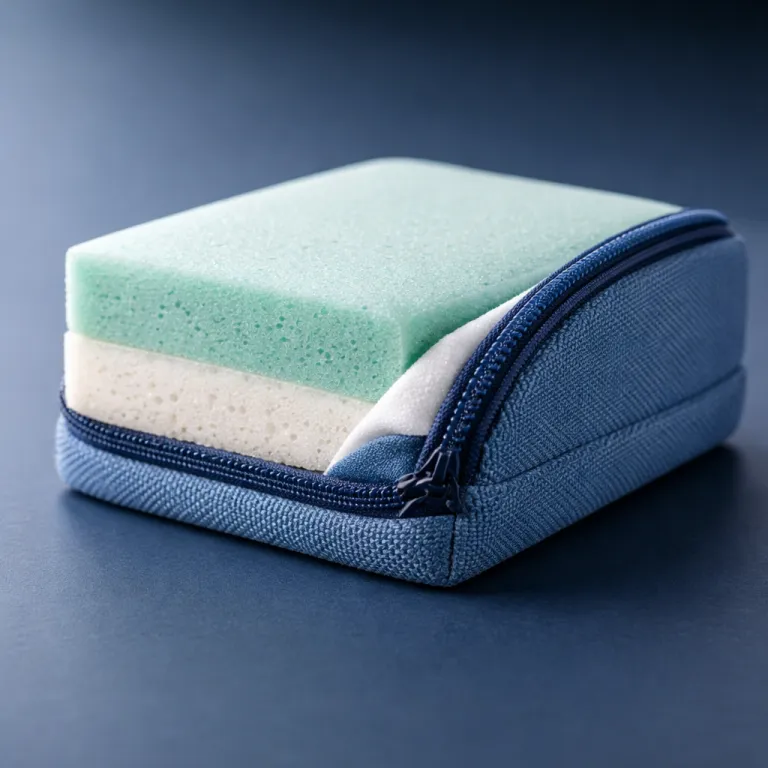
Materials matter as much as technology. In a traditional capsule from early Osaka days, plastic shells and thin mattresses were standard, but luxury-leaning hotels in Japan now mix timber, fabric panels and high density foam to soften both sound and touch. When you read about pods lined with felt, wood veneer or textured fabric, you are seeing a design language that aims for calm rather than clinical. These choices also influence temperature stability and ventilation, two factors that directly affect sleep.
Smart technology is where the premium segment pulls ahead decisively. Many new capsule hotels offer app-based controls for lighting and climate, while some integrate sensors to balance air quality across entire pod floors. When a guest can adjust temperature, fan speed and even white noise from inside the capsule, the experience starts to rival that of upscale hotels across Japan.
Look closely at mattress and linen descriptions, because this is where cost cutting often hides. A capsule hotel that specifies mattress brands, pillow menus or high thread count sheets is signalling alignment with executive-level expectations. By contrast, reviews that mention sagging mattresses or synthetic bedding usually indicate a property that has prioritised pod density over guest comfort.
To make comparisons concrete, imagine two Tokyo capsules at a similar nightly rate. Capsule A offers a pod roughly 1.1 m wide, 2.1 m long and 1.1 m high, with a medium-firm 18 cm mattress, cotton sheets and a quiet fan. Capsule B provides a slightly larger 1.2 m by 2.2 m pod with 1.25 m internal height, a 22 cm hybrid mattress, blackout curtain, individual climate control and integrated task lighting. Even if both are marketed as midscale, the second configuration will usually deliver a noticeably more restful stay.
For travellers who care about design-led compact stays, curated round ups such as a guide to capsule hotel experiences for luxury-minded urban travellers can be invaluable. They highlight properties where the pod, the room zoning and the common spaces form a coherent aesthetic rather than a random collection of bunks. When a capsule hotel feels like a considered piece of industrial design, the entire stay takes on a different character.
Finally, remember that ambiance extends beyond the pod. Music choices in corridors, scent in the lobby, art on the walls and even the typography on signage all contribute to how a capsule hotel feels after several hours inside. The most successful Japanese capsule brands understand that their guests are not just renting a bed; they are choosing a compact but complete environment that must support both work and rest.
Shared spaces, service rituals and the new luxury capsule benchmark
The real test of a capsule hotel often happens outside the pod. A rigorous capsule hotel quality guide therefore spends as much time on common spaces and service rituals as on the capsules themselves. When you are sharing facilities, the choreography of movement and maintenance becomes a core part of the experience.
Begin with the layout of common spaces such as lounges, co-working zones and bathing areas. In the best capsule hotels, these zones are clearly defined so that guests who need to work, relax or socialise can each find their place without friction. When reviews praise the flow between lockers, showers and sleeping areas, you are usually looking at a property that has studied guest behaviour carefully.
Bathrooms and wellness areas are non-negotiable for premium travellers. Since capsule hotels in Japan typically offer shared bathrooms rather than private ones, the standard of cleaning and the frequency of checks matter more than in a regular hotel. Pay attention to comments about water pressure, temperature stability and whether amenities are replenished promptly during busy hours.
Some of the most interesting innovation happens in airport-adjacent capsules, where time-poor travellers need frictionless transitions. Refined rest concepts at major Asian hubs show how a compact room, efficient online booking and precise service timing can create a seamless overnight stay between flights. When similar thinking is applied to city-centre capsules in Tokyo or Osaka, the result is a product that works beautifully for business-leisure guests.
Service rituals define how cared for you feel in a shared environment. Look for mentions of staff who guide first-time guests through the etiquette of using capsules, lockers and common spaces, especially in Japanese-style properties where local customs matter. When reviews highlight calm, unhurried explanations at check in, you can expect a smoother stay even if the hotel is operating at high occupancy.
Food and beverage offerings are another quiet differentiator. Some capsule hotels provide only vending machines, while others curate small cafés, sake bars or breakfast counters that extend the design language of the pods into social spaces. For a business traveller turning a meeting in Kyoto into a weekend on a nearby island, the ability to hold an informal catch up in a well designed lounge can be more valuable than a full restaurant.
Storage and security systems reveal how seriously a hotel treats guest belongings. Premium capsule hotels in Japan and the United States increasingly use digital lockers, keycard zones and sometimes biometric access to separate sleeping areas from public corridors. When guests mention feeling as secure as in an upscale inn in Osaka or a city business hotel, that is a strong endorsement of operational standards.
Operational transparency also matters. Clear signage about quiet hours, cleaning schedules and gender-specific floors helps align expectations and reduce friction between guests. When a capsule hotel publishes these rules in multiple languages and enforces them consistently, reviews tend to reflect a calmer, more respectful atmosphere.
Finally, consider how the property handles edge cases such as early arrivals, late departures or disrupted flights. A capsule inn that offers flexible lounge access, shower use outside official check in times and responsive online booking support is thinking like a premium operator. Those gestures turn a compact capsule into a reliable base for complex travel days, which is exactly what discerning business-leisure travellers need.
From Japan to the United States: segmenting quality in a crowded market
The global spread of capsule hotels has created both opportunity and confusion. A thoughtful capsule hotel quality guide must now help travellers navigate a market that ranges from traditional capsule pioneers in Osaka to tech-forward pods in the United States. The risk is simple: if too many low quality operators flood the market, the entire capsule concept loses credibility.
In Japan, the format emerged as a pragmatic response to dense cities and late night commuters. Early properties such as Capsule Inn Osaka focused on efficient sleep and basic facilities, with capsules stacked like ship cabins and common spaces kept deliberately functional. As demand grew, newer brands began to reinterpret the model with more generous amenities, spa-like baths and upgraded materials aimed at stressed urban professionals.
Today the market clearly splits into economy, midscale and luxury segments, each with its own expectations. Economy capsules prioritise price and bed count, often retrofitting existing buildings with minimal investment in acoustics or ventilation. Luxury-leaning capsule hotels, by contrast, invest in bespoke pod manufacturing, smart energy management and curated lounges that rival those of design-forward city hotels.
Outside Japan, especially in the United States and parts of Europe, the term capsule hotel is sometimes applied loosely. Some operators market simple bunk rooms as capsule experiences without delivering the privacy, sound control or design coherence that define true pods. This blurring of definitions makes guest reviews and independent guides even more critical for discerning travellers.
Millennial and Gen X business-leisure travellers, including those drawn to concepts such as Millennials Kyoto, are accelerating the shift toward higher standards. They are willing to book compact rooms if the capsule style is executed with intelligence, technology and a sense of place. When this audience praises a property, it is usually because the hotel has balanced efficiency with genuine comfort rather than chasing the lowest possible cost.
Transparency about tier serves both operators and guests. When a hotel clearly positions itself as economy, midscale or luxury, travellers can align expectations and price range before they book. Hidden downgrades, such as shrinking capsule dimensions or cutting cleaning hours while maintaining premium rates, quickly surface in reviews and damage long term trust.
For travellers comparing options across regions, it helps to treat Japanese capsule properties as a reference point. If a capsule hotel in New York or Los Angeles charges more than a well regarded pod hotel in Tokyo but offers thinner mattresses, weaker soundproofing and cramped common spaces, the value equation is off. Conversely, when a property outside Japan matches or exceeds Japanese standards, that is a strong signal of serious investment.
Remember that “Are capsule hotels suitable for claustrophobic individuals? Not recommended due to confined spaces. Do capsule hotels provide private bathrooms? No, bathrooms are typically shared. Can couples stay together in a capsule hotel? Capsules are usually single occupancy.” These realities mean that capsule hotels will never replace every regular hotel or full service inn, but they can offer a compelling alternative for solo travellers who value efficiency and design.
As you evaluate capsule hotel options worldwide, focus on three anchors: design integrity, operational transparency and segment honesty. When those elements align, a capsule hotel can deliver a level of rest and focus that belies its footprint, turning a simple pod into a strategic base for complex itineraries. When they do not, you are better served by a well run regular hotel until the market in that city matures.
Key figures for evaluating capsule hotel quality
- Typical capsule size in Japan is often quoted at around 2 square metres for classic pods, which means layout and storage design are critical for comfort in both traditional capsule properties and newer luxury capsules; always check current hotel specifications rather than relying on averages.
- Entry-level nightly rates for capsule hotels in major Japanese cities commonly start near 4,000 JPY, frequently undercutting regular hotel rooms by more than half while offering comparable sleep quality in well designed pods; actual prices vary by season and neighbourhood.
- Industry commentary suggests that a growing share of new capsule installations now include some form of smart energy or climate management, a sharp contrast with older retrofits that rely on basic ventilation and lighting, and a useful marker when comparing premium and budget capsules.
- Capsule hotels have expanded from their origins in Osaka to multiple countries worldwide, with Japan still hosting one of the densest concentrations of properties and serving as a benchmark for capsule-style innovation and service standards.
- Most capsule hotels operate shared bathrooms rather than private ensuites, which makes cleaning frequency and staff routines a primary quality indicator; properties that schedule checks at least every one to two hours typically receive noticeably higher cleanliness scores in guest reviews.