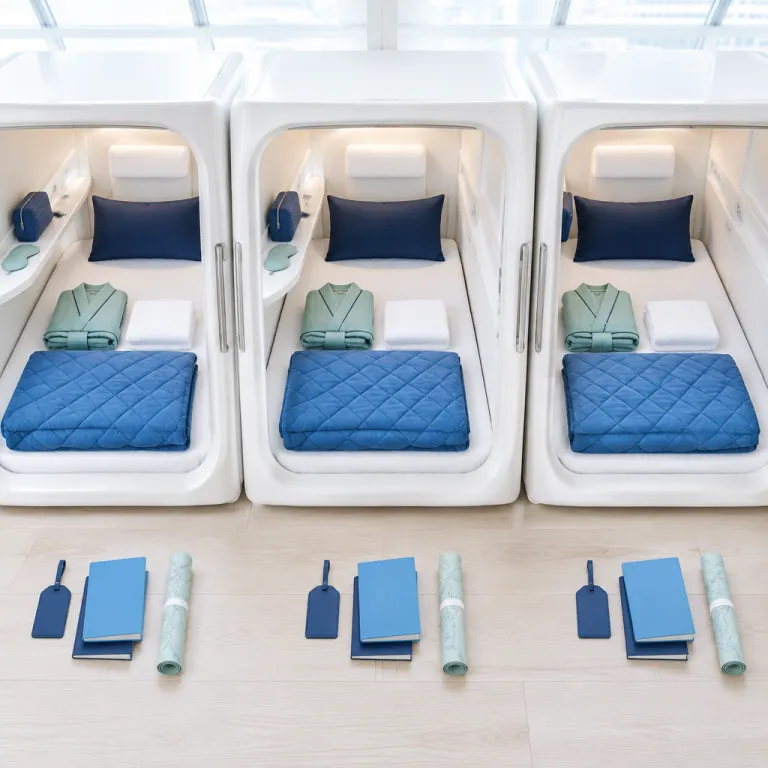
Choosing the best area in Tokyo to stay for capsule luxury
Finding the best area in Tokyo to stay starts with your travel rhythm. Some visitors want a capsule hotel beside a major station for fast airport links, while others prefer quieter districts with more local character and slower evenings. In a dense city like Tokyo, the neighborhood you choose shapes every room you sleep in and every step you take outside.
For many travelers, Shinjuku is the most convenient base when they want neon energy and late night dining. The Shinjuku Station area connects you to almost every part of the city, and luxury towers sit beside refined capsule concepts that offer compact rooms with premium bedding and spa level showers. Typical capsule stays here range from around ¥4,000–¥9,000 per night, with examples such as Nine Hours Shinjuku-North, Booth Netcafe & Capsule, and some Dormy Inn branches that include onsen-style baths and breakfast. If you plan a short Tokyo stay and value time over space, this district’s capsule hotels and mid range properties give you a powerful balance.
Shibuya offers another contender among central places to stay, especially for younger travelers and creative professionals. Around Shibuya Station you will find capsule hotels with sleek pods, co working lounges, and rooms designed for digital nomads who do not want to don a suit between meetings. Properties like The Millennials Shibuya, Commun Shibuya, and Capsule Hotel Anshin Oyado Premier Shibuya often include shared workspaces, social lounges, and women only floors, with nightly rates commonly between ¥5,000 and ¥11,000 depending on season. These hotels turn a simple stay in Tokyo into a flexible base where you can work, rest, and step straight into the city’s nightlife.
Travelers who want a more traditional atmosphere often choose Asakusa as their preferred area to stay. Here, compact capsule rooms sit near the historic Sensō-ji temple, and the streets around Asakusa Station feel calmer than Shinjuku or Shibuya at night. Capsule and micro hotels such as Khaosan World Asakusa, Asakusa Kokono Club Hotel, and Hotel 3000 Asakusa Honten typically offer mixed dorm pods, small private rooms, and family friendly layouts from roughly ¥3,500–¥8,000 per night. For many families and solo guests, this part of Tokyo balances heritage, river views, and easy access to the rest of the city through nearby lines.
Ginza appeals to travelers who want luxury hotels and high end shopping within walking distance. While most properties here focus on larger rooms, a few capsule style floors and compact premium concepts give you a refined Tokyo stay without the full suite price tag. Examples include First Cabin Kyobashi, First Cabin Atagoyama, and some compact rooms in Hotel Gracery Ginza, where prices often start around ¥6,000–¥12,000 per night depending on room type. If you value quiet streets, art galleries, and quick taxis or a short subway ride to Tokyo Station, Ginza can be the most polished city experience.
Ueno and the surrounding areas offer a practical place to stay for museum lovers and rail travelers. Ueno Station connects directly to northern Japan via JR lines, and capsule hotels here often attract guests who will continue their journey by Shinkansen from nearby Tokyo Station the next day. Properties such as Capsule Hotel Anshin Oyado Premier Ueno, Centurion Hotel & Spa Ueno Station, and Sauna & Capsule Hotel Hokuo usually fall in the ¥3,500–¥9,000 range and provide saunas, public baths, and simple lounges. When you compare these districts with central business hubs, Ueno feels more relaxed yet still gives you a strategic base in the city.
Tokyo Station, airport access, and premium capsule convenience
For many business travelers, the most efficient location is around Tokyo Station. This station area is one of the country’s main rail hearts, with direct links to Osaka, Kyoto, and northern Japan, plus fast trains to both Narita and Haneda airports. According to East Japan Railway Company statistics, Tokyo Station handles hundreds of thousands of passengers daily, which explains the dense cluster of hotels nearby. Staying in a capsule hotel near Tokyo Station means your room is never far from your next departure platform.
Tokyo Station is also home to some of the city’s most respected luxury hotels, yet capsule concepts here now offer inn premium style services at a fraction of the price. You might sleep in a compact pod, but you still enjoy plush bedding, quiet floors, and refined lounges where you can work or relax between meetings. Options such as First Cabin Tokyo Station, Nine Hours Otemachi, and some Dormy Inn branches within one or two stops of the station usually cost around ¥5,000–¥13,000 per night. For a short stay in Tokyo, this combination of efficiency and comfort often beats larger rooms in less connected areas.
Travelers arriving late at Haneda Airport often ask whether to stay near the terminals or head straight into the city. If your time is limited, a capsule hotel inside or next to Haneda can be the most practical choice for one night, especially when you have an early flight the next morning. Transit times from Haneda to central Tokyo are usually about 20–30 minutes by monorail or train, so those planning a longer Tokyo stay usually benefit from moving into the city quickly and choosing accommodation near a major station such as Shinjuku or Tokyo Station.
Premium capsule brands such as Dormy Inn and similar inn premium concepts have raised expectations for compact rooms. Many Dormy Inn properties in Tokyo offer natural hot spring style baths, complimentary late night noodles, and refined public spaces that feel closer to mid range hotels than simple pods. As of the early 2020s, Dormy Inn operates multiple locations across Tokyo, including branches in Shinjuku, Ueno, and Kanda, with typical nightly rates from about ¥8,000–¥15,000 depending on room type and season. When you compare these hotels with traditional business properties, the value for a short stay Tokyo trip becomes clear.
If you are used to airport sleep pods, you can apply the same logic you would use when booking a premium airport layover capsule. Look for capsule hotels in the station area that match your schedule, then check whether the rooms offer quiet zones, luggage storage, and flexible check in times. In a city as dense as Tokyo, these details often matter more than the exact size of your room.
Families sometimes hesitate about capsule hotels near major stations, yet many properties now offer adjacent pods or small family rooms. Around Tokyo Station and Shinjuku, you will find hotels that combine capsule floors with standard rooms, giving parents privacy while keeping children close. Age policies vary: some capsule hotels only accept guests aged 13 or older, while others allow younger children in private family rooms, so checking terms before booking is essential. This hybrid approach allows families to enjoy the most convenient transport hubs without sacrificing comfort or safety.
Shinjuku and Shibuya: nightlife, neon, and elevated capsule stays
Shinjuku remains one of the most popular districts if you want nightlife, shopping, and endless dining options. The area’s hotels range from luxury towers with panoramic city views to capsule floors hidden above ramen shops and karaoke bars. For many travelers, this mix of room types in a single neighborhood makes Shinjuku the most flexible place to stay in Tokyo.
Capsule properties around Shinjuku Station often feel more like lifestyle hubs than simple places to sleep. You might find a Dormy Inn with a rooftop onsen style bath, a co working lounge, and compact rooms that still offer premium mattresses and high quality amenities. Other examples include Nine Hours Shinjuku-North and Anshin Oyado Premier Shinjuku, which provide saunas, quiet zones, and women only areas. These hotels cater to guests who value time and location over floor space, yet still expect a refined Tokyo stay.
Shibuya offers a different energy, with its famous crossing and creative side streets. Here, capsule hotels and mid range properties attract younger travelers, digital workers, and couples who want to stay Tokyo style in the heart of the city’s pop culture. Rooms may be smaller than in some luxury hotels, but the surrounding streets offer endless cafés, galleries, and live music venues.
When comparing Shinjuku and Shibuya as bases, think about how you move through the city. Shinjuku Station is a major rail hub, ideal if you plan day trips beyond Tokyo or need fast access to Tokyo Station and Haneda Airport. Shibuya Station is perfect if your time focuses on central neighborhoods, with quick rides to Ginza, Roppongi, and even Asakusa. In practice, trains between Shinjuku and Shibuya take about 7–10 minutes, so you can easily visit both even if you only stay in one.
Travelers who appreciate elevated hostel style experiences often feel at home in Shibuya’s capsule scene. The design language here echoes the kind of elevated hostel experiences in urban centers that blend social spaces with private pods. In both Shinjuku and Shibuya, these hotels turn a simple room into a curated stay, where the lobby, lounge, and rooftop become as important as the capsule itself.
Families can still enjoy these areas by choosing hotels that offer both capsules and traditional rooms. Some properties near Shinjuku Station and Shibuya Station provide family rooms on one floor and capsule rooms on another, allowing older children to enjoy pod style stays while parents keep a standard room. Many of these hotels also offer non smoking floors and secure keycard access, which reassures parents who are new to capsule style accommodation. This flexibility makes these districts some of the best options for multi generational trips to Japan’s capital.
Asakusa, Ueno, and Tokyo Station: heritage, museums, and rail gateways
Asakusa offers a very different answer to the question of where to stay in Tokyo. Here, the focus is on heritage, river walks, and the iconic Sensō-ji temple, which anchors the neighborhood with its lantern lit gates. Capsule hotels in Asakusa often blend traditional motifs with modern rooms, giving you a calm place to stay after a day in the city.
Staying near Asakusa Station or in the wider Tokyo Asakusa area gives you easy access to both the Ginza Line and the Asakusa Line. That means you can reach Tokyo Station, Ueno, and even Haneda Airport without complicated transfers, which is especially helpful for families and first time visitors. Typical travel times from Asakusa are about 10 minutes to Ueno and 15–20 minutes to Tokyo Station, depending on the route. For many travelers, this combination of history and transport makes Asakusa one of the most appealing areas for a longer Tokyo stay.
Ueno appeals to museum lovers and rail enthusiasts who want a practical place to stay. The Ueno Station area is home to Ueno Park, the Tokyo National Museum, and a cluster of mid range hotels and capsule properties that serve both tourists and business guests. Rooms here may be simpler than in Ginza or Shinjuku, but the value and location often make up for it.
Tokyo Station itself deserves special attention when you consider central locations. The station area hosts some of the city’s most famous luxury hotels, yet also hides compact capsule floors and business style rooms in side streets. For travelers continuing to other parts of Japan, staying near Tokyo Station can save hours of transfer time and reduce the stress of early departures.
Some well known properties such as Park Hotel Tokyo and Hotel Tokyu brands sit a short ride from Tokyo Station, offering larger rooms while still keeping you close to the rail hub. If you prefer a capsule style stay, look for Dormy Inn or similar inn premium concepts within one or two stops of the station. This strategy lets you enjoy a refined room experience while staying connected to the city’s main transport spine.
Families often choose Asakusa or Ueno when they want more space around them. Streets here feel less crowded than Shinjuku at night, and many hotels offer family rooms alongside capsule options, giving parents and children different ways to stay Tokyo style. When you compare these areas with central Ginza or Shibuya, the slower pace can feel like a welcome pause in a busy city.
Ginza, Tokyo Tower, and refined urban capsules
Ginza is often seen as the city’s luxury showcase, yet it also offers some of the most comfortable central bases for travelers who value quiet streets and art filled evenings. The district’s hotels range from five star towers to compact premium capsules tucked above design stores and cafés. For many guests, this blend of room types in a single neighborhood makes Ginza an elegant place to stay without always paying top suite prices.
Staying in Ginza places you within easy reach of Tokyo Station, the Imperial Palace, and the business districts of Marunouchi and Shiodome. Properties such as Park Hotel Tokyo and certain Hotel Tokyu brands nearby offer larger rooms, while capsule concepts provide smaller yet carefully designed spaces with high quality bedding and amenities. If you are planning a short Tokyo stay focused on shopping and dining, this area can be the most convenient base.
Tokyo Tower and its surrounding neighborhoods add another layer to the conversation about where to stay. Around the tower you will find a mix of embassies, parks, and mid range hotels that feel more residential than Shinjuku or Shibuya. Capsule properties here often attract business travelers who want a calm room near offices, yet still appreciate quick access to the city’s nightlife by train.
Ginza’s capsule hotels tend to emphasize design, with rooms that use warm woods, soft lighting, and thoughtful storage. Many of these hotels position themselves between traditional hostels and full luxury hotels, offering inn premium style services such as curated breakfasts, art exhibitions, and concierge support. For travelers who do not need a large room but still want a refined Tokyo stay, this balance can feel ideal.
When comparing Ginza with other central districts, consider how you plan to move around the city. From Ginza Station you can reach Shibuya, Shinjuku, Asakusa, and Ueno quickly, while Tokyo Station sits within walking distance for longer rail journeys across Japan. This centrality makes Ginza a strong place to stay for travelers who value both style and efficiency.
Families may initially think Ginza is only for luxury hotels, yet several properties offer connecting rooms and compact family layouts. Capsule hotels in the wider area sometimes provide women only floors and quiet zones, which can reassure solo travelers and parents alike. If you want a calm, polished base while still enjoying easy access to the city’s main attractions, Ginza deserves serious consideration.
How to choose your capsule: room types, services, and stay profiles
Choosing the best area in Tokyo to stay is only half the decision; the other half is selecting the right capsule style. Not all capsule hotels are the same, and the differences between basic pods, inn premium concepts, and brands like Dormy Inn can transform your stay. Before you book, think carefully about how you sleep, work, and move through the city.
Basic capsule hotels focus on efficient rooms with shared facilities, ideal for one night near a major station. Inn premium style properties add features such as larger capsules, upgraded mattresses, and lounges where you can relax or work, which suits longer stays in areas like Shinjuku or Asakusa. Dormy Inn and similar brands often go further, offering hot spring style baths, complimentary evening snacks, and thoughtful services that rival mid range hotels.
When you compare capsule rooms across different areas, pay attention to floor layouts and privacy features. Some hotels in Shibuya or Ueno offer semi private cabins with sliding doors, while others near Tokyo Station or Ginza use open pod designs with curtains. If you are sensitive to noise, look for properties that group rooms by gender or purpose, such as quiet floors for business travelers and separate zones for groups or families.
Service level also varies widely between capsule hotels in the most popular parts of Tokyo. In Shinjuku and Ginza, you may find concierges who can arrange restaurant bookings, museum tickets, and even same day luggage transfers to Haneda Airport or Tokyo Station. In more local areas, staff might focus on practical support such as coin laundries, simple breakfasts, and clear guidance on train routes across the city.
Think about your daily rhythm when choosing both area and room type. Night owls who plan to stay out late may prefer Shinjuku or Shibuya, where 24 hour dining and late trains make returning to your hotel easy at any time. Early risers or families might feel more comfortable in Asakusa, Ueno, or near Tokyo Station, where mornings are calmer and access to day trip trains is straightforward.
For travelers exploring beyond the capital, it can be helpful to understand how capsule concepts work in other cities too. Articles on topics such as pod hotels in regional hubs show how this style of stay is spreading across Japan, from university towns to secondary cities. Knowing these patterns can help you plan a multi city itinerary where each place to stay, from Tokyo to smaller destinations, follows a similar standard of comfort.
Planning your itinerary around your Tokyo stay
Once you have chosen the best area in Tokyo to stay, you can shape your itinerary around your hotel. A Shinjuku base makes it easy to spend evenings in Golden Gai, explore nearby parks, and still catch early trains from Shinjuku Station to other parts of the city. A stay in Asakusa or Ueno naturally leads to mornings at Sensō-ji or Ueno Park, followed by museum visits and river cruises.
Travelers based near Tokyo Station or Ginza can structure their time around day trips and business meetings. From this central station area you can reach Yokohama, Nikko, or Hakone by train, then return to your capsule room or mid range hotel in time for dinner in Ginza’s side streets. This pattern suits guests who see Tokyo as both a destination and a gateway to the rest of Japan.
Families often benefit from planning rest days around their chosen place to stay. If you book a Dormy Inn or inn premium style property with a hot spring bath, schedule a quieter day in the middle of your trip to enjoy the facilities and nearby cafés. In Shibuya or Shinjuku, that might mean a slow morning in your room, followed by an afternoon exploring local neighborhoods rather than crossing the entire city.
Business travelers can align meetings with their hotel’s location to reduce commuting time. A stay Tokyo wide strategy might involve starting in Shinjuku for western side appointments, then moving to a hotel near Tokyo Station or Ginza for meetings in Marunouchi and beyond. By matching your areas to your schedule, you turn your room into a strategic asset rather than just a place to sleep.
Some travelers like to split their Tokyo stay between two or three key districts. You might begin in Asakusa for a heritage focused experience, then shift to Shibuya for nightlife, and finish near Tokyo Station for easy access to Haneda Airport and long distance trains. This approach lets you sample different hotels, rooms, and neighborhoods without feeling rushed.
Whatever pattern you choose, remember that the best area in Tokyo to stay is the one that supports your priorities. For some, that means a luxury hotel with a view of Tokyo Tower and spacious rooms, while others prefer a refined capsule near a major station that maximizes time and budget. By thinking carefully about area, station access, and room style, you can create a Tokyo stay that feels both efficient and deeply personal.
Key statistics on Tokyo stays and capsule travel
- Tokyo welcomed around 14.24 million international visitors in 2019, according to data from the Japan National Tourism Organization, which makes choosing the right area to stay crucial for comfort and mobility.
- Shinjuku Station handles several million passengers per day, based on East Japan Railway Company ridership figures, reinforcing its status as a strategic station area for both capsule hotels and luxury properties.
- Average hotel room sizes in central Tokyo often range between 15 and 20 square metres, according to surveys by major hotel groups, which explains the growing appeal of well designed capsule rooms that prioritize smart layouts over floor space.
- Industry reports from the Japan Tourism Agency indicate that mid range and capsule style properties can see very high occupancy rates in peak seasons, highlighting strong demand for efficient, well located places to stay.
- Haneda Airport is located roughly 15 to 20 kilometres from central Tokyo, and travel times by train or monorail typically range from about 20 to 30 minutes, which makes areas near Tokyo Station, Shinjuku, and Ginza particularly convenient for short stays.
FAQ about the best areas in Tokyo to stay
Which area is best in Tokyo to stay for first time visitors ?
First time visitors usually find Shinjuku or Shibuya the most practical areas, thanks to their major stations, wide hotel choices, and easy access to other districts. Asakusa is also excellent if you prefer a more traditional atmosphere near Sensō-ji and the Sumida River. All three areas offer capsule hotels, mid range properties, and luxury options within short walking distances of key train lines.
Is it better to stay near Tokyo Station or Shinjuku Station ?
Tokyo Station is better if you plan day trips across Japan or have many Shinkansen journeys, while Shinjuku Station excels for exploring western Tokyo and enjoying nightlife. Both station areas host a mix of capsule hotels, mid range properties, and luxury hotels, so your choice depends on your itinerary. Many travelers split their stay between the two to enjoy the strengths of each area.
Are capsule hotels suitable for families in Tokyo ?
Capsule hotels can work for families, especially when properties offer adjacent pods, women only floors, or a mix of capsules and standard rooms. Areas like Asakusa, Ueno, and some parts of Shinjuku provide family friendly layouts and calmer streets at night. Always check age policies and room configurations before booking, as some capsule hotels only accept adult guests.
Which area is best in Tokyo to stay for shopping and dining ?
Ginza is ideal for high end shopping and refined dining, while Shibuya and Shinjuku offer a broader range from casual eateries to late night venues. All three districts have capsule hotels, mid range properties, and luxury hotels within walking distance of major shopping streets. Your choice depends on whether you prioritize designer brands, youth fashion, or local izakaya style restaurants.
How many nights should I stay in Tokyo, and should I change areas ?
A stay of four to six nights allows you to experience several districts without rushing, and many travelers benefit from changing areas once during their trip. For example, you might start in Asakusa or Ueno for heritage and museums, then move to Shinjuku, Shibuya, or Ginza for nightlife and shopping. Splitting your stay this way lets you enjoy different hotel styles, from capsules to larger rooms, while reducing daily commuting time.