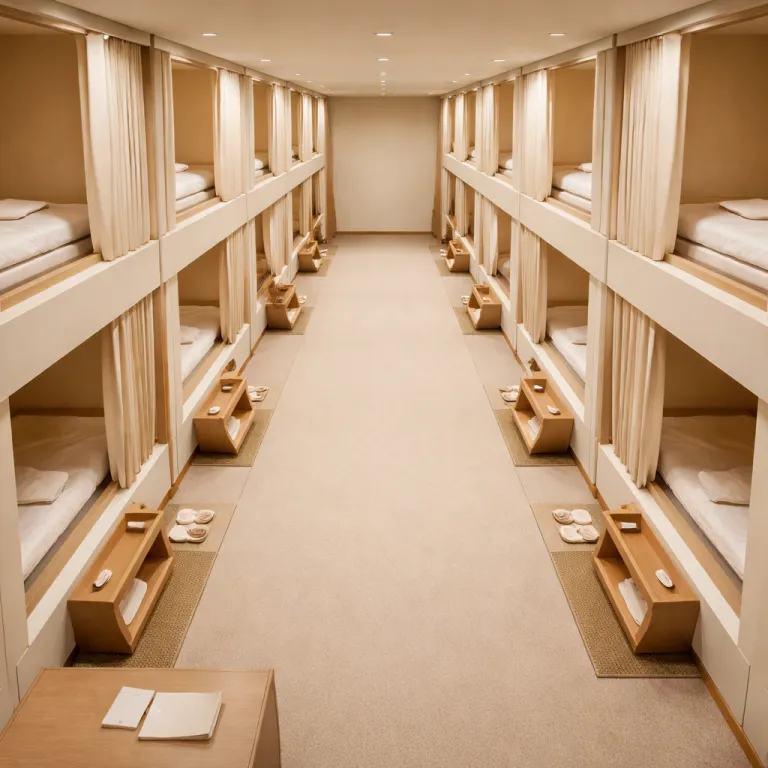
Understanding how to book a capsule hotel for a premium stay
Learning how to book a capsule hotel starts with understanding what you are really reserving. A capsule is a compact sleeping cabin of around 2 square metres, and the smartest capsule hotels turn that tiny footprint into a calm, engineered retreat for one refined night. When you approach capsule hotels as carefully as you would a five star hotel, you unlock minimalist luxury rather than a cramped compromise.
Across hotels Japan and beyond, the concept is simple yet the execution varies dramatically. Some capsule hotels feel like sleek first class cabins, while others are basic hostels with capsules stacked in a dorm and a thin curtain door. Your booking choices will shape every part of your stay, from how quietly you sleep to whether your capsule rooms feel like a sanctuary or a train compartment.
Premium travellers often start with a guide that compares properties in Tokyo, Kyoto and other major cities in Japan. A good guide capsule will explain which hotels offer mixed floors, which are women only, and which specialise in the female capsule concept with extra amenities. When you know these distinctions before you book, you can match the capsule hotel to your travel style, your family needs and your budget.
Where to find the best capsule hotels and how to read listings
The most efficient way to handle how to book a capsule hotel is to start with the right platforms. Online travel agencies such as Booking.com, Expedia and Travelocity list hundreds of capsule hotels worldwide, and many hotel apps now allow direct booking with instant confirmation. These tools sit alongside automated kiosks and self check in systems, which are now standard in modern capsules and make late arrivals far less stressful.
When you browse capsule hotel listings, filter by rating, neighbourhood and language support. Look for clear English descriptions, but also check whether the site allows you to select language options such as Deutsch, Italiano or Español if you are booking for a wider family group. If a listing for hotels Japan does not show the pod itself, treat that as a red flag and keep scrolling until you find photo galleries that focus on the actual capsules.
High quality properties often work with professional photographers such as Nacasa & Partners, and you may see a discreet credit like “photo Nacasa” under the images. That level of detail usually signals a hotel that cares about design and transparency, which matters when you are staying capsule style with children or older relatives. For airport layovers, study a specialised review of how an airport capsule hotel turns a long layover into a premium retreat, because those properties follow slightly different rules and often include hourly rates.
Key details to check before you book your capsule cabin
Once you have a shortlist, the next step in how to book a capsule hotel is to interrogate the details. Always check pod dimensions, because a tall teenager will experience a 200 centimetre long cabin very differently from a smaller child. Ask yourself whether a curtain door is enough privacy for your family, or whether you prefer a solid door with a lock for a more traditional hotel feel.
Soundproofing is another non negotiable for premium travellers who value rest. Listings that mention acoustic panels, white noise systems or thick curtains usually provide quieter nights than those that simply show rows of capsules with no explanation. If the description of shared bathrooms and showers feels vague, assume the worst and keep searching until you find capsule hotels that state the bathroom to guest ratio clearly.
Age and group policies can be surprisingly strict, especially in Japan capsule properties. Many hotels mixed by gender will only accept guests aged 12 or 16 and above, and some female capsule floors are reserved for solo travellers rather than families. Before you book, read the house rules line by line, then check whether staying capsule for consecutive nights requires daily check out or whether you can leave luggage in place.
Choosing the right capsule hotel in Japan, from Tokyo to Kyoto
Japan remains the reference point for anyone learning how to book a capsule hotel with confidence. In Tokyo, you will find everything from retro salaryman capsules near Shinjuku to polished, design led capsule hotels that feel like compact business class lounges. Prices can start from around 16 US dollars per night for basic pods, while premium capsules with spa access and lounges cost more but still undercut many conventional hotels.
Kyoto offers a different rhythm, with properties that lean into soft lighting, tatami inspired textures and slower evenings. The millennials Kyoto style of capsule hotel blends co working tables, espresso bars and capsule rooms that appeal to digital nomads as much as to short stay tourists. When you stay Japan side with children, prioritise locations near stations and tram stops, because the short walk back to your capsule hotel after a long day of temple visits will feel priceless.
Some of the most interesting stories and guides come from women only properties such as Nadeshiko Hotel in Tokyo. This female capsule specialist combines onsen style bathing areas, thoughtful amenities and staff who understand solo and family female travel. For couples, read a focused guide on capsule hotels for couples finding privacy and comfort in a pod, because not every capsule hotel welcomes pairs in the same cabin or even on the same floor.
Packing, policies and what to expect during your capsule stay
Even the most luxurious capsule hotel relies on smart packing and realistic expectations. Locker space is limited, so use packing cubes and soft bags rather than hard suitcases, and keep a small cabin sized bag ready with night essentials. Earplugs and an eye mask transform a good capsule into a great one, especially in hotels mixed by gender where movement in the corridor can continue late.
Most capsule hotels offer lockers or storage areas for luggage, and many now use self check in kiosks or apps instead of a traditional front desk. Remember that “Yes, they are generally safe with secure facilities.” and “Yes, but daily check out may be required.” and “Yes, lockers or storage areas are typically available.” are all standard answers from experienced capsule hotel staff. These policies matter when you are planning a multi night stay with children, because you may need to vacate the capsule each morning even if your booking covers several nights.
During the stay, treat shared spaces with the same courtesy you expect from others. Keep voices low near the capsules, organise family chats in the lounge and use headphones for screens, because thin walls and a simple curtain door transmit sound easily. If you are unsure about etiquette, a concise guide at reception or on the hotel app will usually outline local expectations in English and Japanese for international guests.
Luxury touches, unique experiences and how to compare value
Premium capsule hotels are no longer just about saving money on a night in the city. Many properties now weave in spa access, curated lounges and refined breakfast trays, turning a simple capsule into a complete urban retreat. When you compare options, think less about square metres and more about the quality of sleep, the design of the shared areas and the ease of your overall travel day.
In Osaka and other major hubs, some capsules feel closer to compact business hotels, with plush bedding, individual climate control and lighting scenes inside each pod. Reading a detailed feature on refined comfort and the rise of luxury capsule hotels in Osaka will help you benchmark what true premium looks like in this category. These hotels offer a strong sense of place, often using Japanese materials, local ceramics and regional snacks to make even a short stay feel anchored in the city.
Outside Japan, European capsules can start from around 46 euros per night, while North American pods often begin near 62 US dollars, reflecting higher real estate and labour costs. To judge value, weigh the nightly rate against location, privacy level and the quality of the bathrooms and lounges. A carefully chosen capsule hotel on a central island in a city like Tokyo or Osaka can deliver more memorable experiences than a larger but anonymous hotel on the outskirts.
Key statistics for booking a capsule hotel with confidence
- Average capsule hotel rates worldwide sit near 50 US dollars per night, but basic Japanese capsules can start from about 16 US dollars, while premium European pods often begin around 46 euros according to major booking platforms.
- Typical capsule size is close to 2 square metres per pod, which is enough for a bed, small shelf and controls, but requires efficient packing and thoughtful locker use for families.
- Many modern capsule hotels now rely on automated check in kiosks and app based access, reducing front desk queues and allowing late arrivals without surcharges in busy urban locations.
- Global expansion of capsule hotels has moved beyond Japan into Europe and North America, where higher nightly rates reflect central locations and upgraded amenities rather than minimalist basics.
- Age limits of 12 or 16 years are common in mixed gender capsule floors, so families should always confirm child policies before booking to avoid last minute changes on arrival.
FAQ: booking and staying in capsule hotels
Are capsule hotels safe for solo travellers and families ?
Capsule hotels are generally safe, with key card access, CCTV and lockers for valuables, and many properties add women only floors or a dedicated female capsule area for extra reassurance. Families should still check local age policies and choose reputable brands or well reviewed independents in central, well lit neighbourhoods. As with any hotel, keep passports and high value items in secure storage rather than inside the capsule itself.
Can I book a capsule hotel for several nights in a row ?
You can usually reserve a capsule hotel for multiple nights, but some Japanese properties require guests to vacate the pod during daytime cleaning hours. In those cases, you keep the booking yet must leave the capsule and sometimes your bedding each morning. Always read the house rules carefully and ask the hotel in advance if continuous daytime access matters for your schedule.
Do capsule hotels provide enough storage for luggage ?
Most capsule hotels provide individual lockers or a supervised storage room, sized for at least one medium suitcase per guest. Space is rarely generous, so soft luggage and packing cubes work better than large hard shell cases for a smooth stay. If you are travelling with children and multiple bags, consider sending one suitcase ahead by luggage delivery service in Japan to keep your capsule area uncluttered.
What should I pack for a comfortable capsule hotel stay ?
Bring earplugs, an eye mask and lightweight loungewear, because you will be moving between capsule and bathrooms in shared corridors. Many Japanese capsule hotels provide pyjamas, towels and basic toiletries, but international properties vary, so check inclusions before you pack. A compact power strip and short charging cables also help when outlets sit at the far end of the capsule.
How do I choose between curtain and door style capsules ?
Curtain style capsules feel more open and are common in traditional Japanese properties, but they offer less sound insulation and visual privacy. Door style capsules, sometimes with card locks, feel closer to micro hotel rooms and suit light sleepers or travellers carrying work equipment. When booking for a family, consider at least one solid door capsule for the most privacy sensitive member, then balance cost and comfort for the rest of the group.