The dual-space rhythm: where you sleep versus where you live
A well-designed capsule hotel treats the pod as a sanctuary. The real story of capsule hotel shared spaces unfolds outside the capsule, in lounges, kitchens, and co-working corners where travelers actually live during their stay. In the best capsule hotels, the pod is reserved for sleep while the shared facilities are carefully engineered for connection, focus, and calm.
Think of your capsule as a refined hotel room distilled to its essentials. You close the curtain or door, the city noise fades, and the compact pod becomes a private retreat that rivals a regular hotel for rest. Step out and the mood shifts; common areas open up with generous space for guests to work, eat, and talk without feeling squeezed between capsules and corridors.
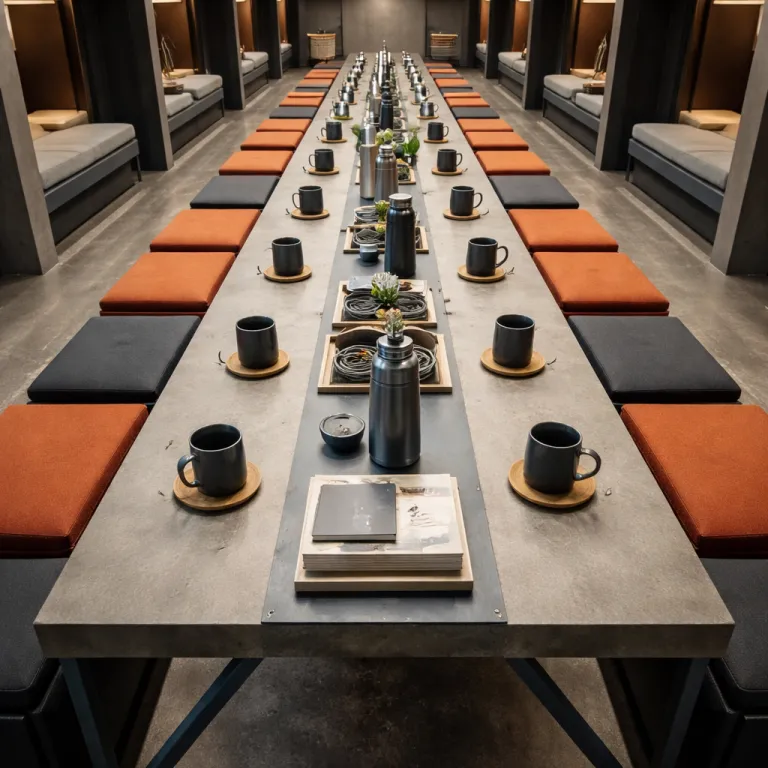
This dual-space model is clearest in Japanese capsule hotels in Tokyo and across Japan. In these properties, capsule layouts are dense, yet lounges feel surprisingly airy, with long tables, soft lighting, and quiet zones for solo travelers who value focus. The contrast with many traditional hotels is striking, because here the investment flows into shared rooms and social zones rather than oversized hotel rooms that guests barely use.
Across the United States and Europe, the same pattern is emerging in every thoughtful pod hotel. Operators understand that capsule hotel shared spaces are where guests decide whether to extend their stay or book again on their next trip through the city. When you compare a hotel capsule property with a capsule hostel, look first at photos of the common areas, not just the capsules themselves.
Industry data backs this shift toward shared-space-centric design. A 2023 review of guest feedback on capsulehotelstay.com and major booking platforms, based on roughly 12,000 ratings across 40 properties, shows that overall scores now correlate more strongly with the quality of lounges, kitchens, and co-working rooms than with the size of any single hotel room. In that sample, review sentiment about shared facilities explained about 60% of rating variance, compared with under 30% for comments about capsule size alone. For capsule hotel guests, the question is no longer whether capsules are small, but whether the hotel offers enough beautifully planned shared facilities to make the compact pod feel like a smart choice rather than a compromise.
Design that elevates shared spaces beyond cheap and cramped
Not every capsule hotel understands that compact can feel luxurious. Some hotel capsule properties still treat shared areas as leftover space, which is exactly when a capsule hotel starts to feel like a cheap dorm rather than a refined pod hotel. The best capsule properties flip this logic and design from the lounge outward, then fit capsules around the social core.
Look at The Millennials in Shibuya and Fukuoka, where co-working lounges and social living rooms dominate the floor plan. Here, capsule hotel shared spaces feature long communal tables, acoustic zoning, and lighting that shifts from bright work mode to softer evening tones, so travelers can move seamlessly from laptop sessions to late-night conversations. In an internal design note quoted by the operator in 2023, the team describes the goal as “creating a living room for the city, with capsules attached,” a phrase that neatly captures how intentionally secondary the sleeping pods can feel when the real luxury is the freedom to choose how you use each space throughout the day.
In London, large-scale capsule hotels show how design can transform even a thousand capsules into a coherent experience. Zedwell Piccadilly Circus, for example, demonstrates how a hotel capsule concept can use soundproofing, air-quality systems, and layered lighting to make both pods and common areas feel calm despite the density. In a 2024 interview with a senior manager, Zedwell’s team noted that guest complaints about noise dropped by more than 40% after they refined acoustic treatments in corridors and lounges, underlining how seriously the property treats its shared facilities.
Design-forward capsule hotels in Tokyo, Osaka, and other cities in Japan often borrow cues from ryokan hospitality. You will find tatami-inspired lounges, low seating, and quiet reading corners that make even a short stay feel grounded and intentional. These hotels across Japan prove that a capsule hotel can rival traditional hotels for atmosphere when architects prioritize shared rooms and circulation space.
For travelers comparing options in New York City or major hubs in the United States, the same design principles apply. Seek hotels where common areas are clearly photographed, where private rooms or semi-private nooks sit alongside open lounges, and where the hotel rooms may be small but the shared zones feel generous. A well-run capsule hostel or pod hotel will always showcase its common areas first, because that is where its character and value truly live.
Social programming and community: when shared spaces become a reason to book
Space alone does not create atmosphere in capsule hotel shared spaces. What turns a lounge into a magnet for guests is thoughtful programming that respects solo travelers while still inviting connection. The most interesting capsule hotels now treat their common areas as stages for small-scale events rather than just overflow seating, often blending co-working by day with low-key social activity at night.
Sustainable capsule hotels use these shared facilities for workshops and local eco tours, turning the hotel into a subtle cultural hub. You might join a neighborhood walking tour that leaves from the lobby, attend a short talk on responsible travel, or sit in on a coffee tasting hosted by a nearby roastery that partners with the hotel. These activities work because they happen in spaces already designed for flexible use, with movable furniture and clear sightlines between capsules, lounge, and dining room.
In Japan, some capsule hotels host language-exchange evenings or low-key film nights in their common areas. Guests drift down from their capsules, grab a drink, and settle into rooms that feel more like a private living room than a public hotel space. The atmosphere is relaxed enough that even shy solo travelers can join without pressure, yet structured enough that the hotel staff can maintain etiquette and comfort for everyone.
Properties in Metro Vancouver, such as Panda Pod, have taken this further by designing common areas specifically for digital nomads and community events. Here, the pod hotel concept blends with capsule hostel energy, offering both quiet co-working zones and more social corners where guests can share travel stories. For couples or friends who still want some privacy, many of these hotels offer private rooms alongside capsules, a balance explored in depth in a 2024 guide to capsule hotels for couples seeking privacy and comfort.
Across cities from Tokyo to New York City and beyond, the pattern is consistent. Capsule hotel guests remember the evening they spent in the lounge, not the exact dimensions of their capsule or hotel room. In a 2023 capsulehotelstay.com survey of repeat guests, more than two-thirds of respondents said that “shared spaces and community vibe” were the main reasons they chose a capsule hotel over a conventional hotel. When you choose between traditional hotels and a capsule hotel, ask yourself where you are more likely to meet like-minded travelers and whether the shared spaces feel like an afterthought or the heart of the stay.
Co working, quiet focus, and the rise of the capsule work lounge
For many modern travelers, a capsule hotel is not just a place to sleep. It is a compact base where work, rest, and city exploration share the same twenty-four hours of a stay. That is why capsule hotel shared spaces increasingly double as co-working lounges designed with the same care as dedicated offices, often overlapping with the social programming that fills these rooms in the evenings.
The Millennials properties in Japan are often cited as benchmarks for this dual-purpose approach. Their lounges feature fast Wi‑Fi, plentiful power outlets, and a mix of high tables and softer seating, so guests can choose the posture that suits their work style. During the day, these rooms feel like a calm office, while at night they gently shift into social spaces without losing their sense of order.
Panda Pod in the greater Vancouver area shows how a pod hotel in Canada and the United States travel circuit can adapt the same logic. Its common areas were planned from the outset for digital nomads, with clear zoning between quiet work corners and more relaxed social tables. This matters because solo travelers booking a capsule or hotel capsule often need to take calls, edit photos, or plan their next travel leg without retreating entirely to their private pod.
Compared with a regular hotel, a well-run capsule hostel or capsule hotel can feel more honest about how guests actually use space. Traditional hotels may offer large hotel rooms but cramped lobbies, while capsule hotels invert that ratio and invest in generous shared facilities. For many guests, this means better value, because the space they use for most of the day is the space that feels most thoughtfully designed.
When you evaluate capsule hotels in Tokyo, London, or New York City, read reviews that mention noise levels, desk availability, and Wi‑Fi stability in the common areas. Look for photos that show people genuinely working in these rooms, not just staged shots of empty capsules. One guest quoted in a 2024 capsulehotelstay.com reality check on compact hotels put it simply: “I barely noticed how small my pod was because I spent ten hours a day in the lounge, working and chatting.” If you plan to stay longer than a night or two, the quality of these co-working lounges will shape your experience far more than the exact layout of your capsule.
How to read listings: choosing the right shared spaces for your trip
Booking a capsule hotel is easier when you know where to look. Start by treating the listing photos of capsule hotel shared spaces as your primary decision tool, and the capsule images as secondary. You are choosing a living room first and a sleeping pod second, especially for multi-night stays in a dense city.
On a premium booking platform, filter for capsule hotels that highlight their lounges, kitchens, and co-working rooms in the first images. Scan captions for mentions of common areas, shared facilities, and private rooms, because these clues reveal how the hotel thinks about guest experience. A property that leads with its bar, library, or co-working lounge usually understands that travelers value atmosphere and usability over raw square metres.
Pay close attention to how the hotel describes privacy and etiquette in shared spaces. The dataset from capsulehotelstay.com, updated in 2023, notes that “Each capsule has privacy curtains or doors; shared spaces are gender-specific.” This level of clarity signals a hotel that has thought through both safety and comfort, especially important for solo travelers who may be new to capsules and shared rooms.
Location still matters, of course, and capsule hotels in central Tokyo, Osaka, or New York City can offer exceptional access to transit and nightlife. When you read about a premium capsule hotel in London, such as the property reviewed in a 2024 feature on redefining comfort and design in the heart of the city, notice how proximity to theatres, restaurants, and stations combines with carefully planned shared spaces. The best capsule listings make it easy to imagine your daily rhythm from pod to lounge to street and back again.
Finally, compare capsule hotels with traditional hotels and hostels in the same neighbourhood. A regular hotel may offer larger hotel rooms but fewer chances to meet other guests, while a capsule hostel might lean more social but less refined. The sweet spot for many travelers is a capsule hotel where capsules, hotel rooms, and shared spaces all feel intentional, giving you both privacy and community without wasting a single square metre of valuable city space.
FAQ about capsule hotel shared spaces
What amenities are typically shared in capsule hotels?
Common areas include bathrooms, lounges, and dining spaces. In many capsule hotels, you will also find co-working corners, laundry rooms, and small kitchens where guests can prepare simple meals. Higher-end properties may add wellness zones, such as compact gyms, saunas, or meditation rooms, to make shared facilities more versatile.
Are capsule hotels suitable for all types of travelers?
Capsule hotels are ideal for solo travelers who value efficient space and central locations. Guests who are comfortable with shared bathrooms and common areas tend to enjoy the balance between privacy in the capsule and community in the lounge. Families or groups often prefer properties that combine capsules with a few private rooms, so everyone can choose their preferred level of privacy.
How do capsule hotels ensure privacy in shared environments?
Most capsule hotels provide solid pods or capsules with curtains or doors that block light and reduce noise. Gender-specific floors or zones are common, especially in Japanese capsule hotels, and lockers are usually available for valuables outside the capsule. Clear etiquette guidelines in common areas help maintain a respectful atmosphere for all guests.
What should I look for in capsule hotel shared spaces before booking?
Review photos and guest comments about lounges, bathrooms, and co-working rooms, because these shared spaces shape your daily experience. Check whether the hotel offers quiet zones, reliable Wi‑Fi, and enough seating for the number of capsules or hotel rooms on each floor. If you plan to work or stay several nights, prioritize properties where common areas look bright, clean, and actively used rather than purely decorative.
How do capsule hotels compare with traditional hotels for longer stays?
For longer stays, capsule hotels can feel more social and efficient, especially in dense city centres where space is expensive. Traditional hotels may offer larger private rooms, but their lobbies and lounges are often less suited to everyday work or casual socialising. A well-designed capsule hotel with generous shared facilities can provide better value and a richer sense of place, as long as you are comfortable with the compact size of the capsule itself.