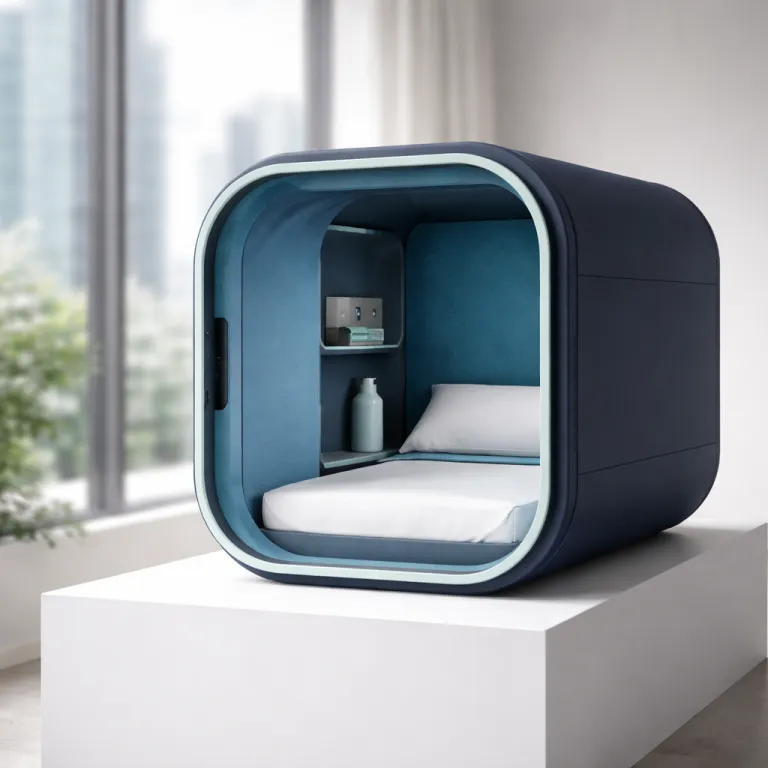
The European wave of capsule hotels for summer city breaks
Across central Europe, new capsule hotel openings 2026 signal a shift from backpacker basic to quietly polished comfort. Couples planning summer travel will notice that the capsule hotel scene in the United Kingdom, Germany, and the Netherlands is now growing faster than the wider hospitality industry, with analysts such as Mordor Intelligence and Grand View Research describing the European capsule hotels market as expanding at a high single to low double digit pace in recent years (around 7–11% compound annual growth in several published forecasts). For guests, that means more properties in walkable districts, better soundproofing in compact rooms, and a stronger focus on design rather than gimmicks.
London sits at the heart of this movement, and the opening of the largest capsule property at the London Pavilion near Piccadilly Circus shows how ambitious the city has become. Operated by Zedwell Hotels and supported by Criterion Hospitality, this hotel in London repurposes historic architecture into a design led capsule concept, with over one thousand windowless “cocoons” stacked behind a discreet façade at 1–4 Coventry Street, W1D 6BZ (details confirmed in Zedwell Pavilion planning documents and UK hospitality trade coverage). Each capsule room is compact yet calming, and the hotel offers shared lounges and co working areas that feel closer to a contemporary star hotel lobby than to a dormitory corridor.
For couples, the appeal is clear: you trade excess space for location, price, and atmosphere. A capsule hotel in central London will often sit minutes from theatres, galleries, and late night restaurants, while still costing less than many traditional hotels on the same street. Typical nightly rates for a double capsule in peak season can start around the lower three digit range in pounds sterling, compared with significantly higher prices for full service hotels nearby. New capsule hotel openings 2026 across Europe follow this template, with properties in Amsterdam and Berlin promising quiet pods, strong acoustic insulation, and thoughtful lighting that turns a small capsule into a cocoon rather than a compromise.
Not every capsule hotel in Europe aims at the same guest, and that is where careful selection matters. Some hotels still chase the lowest price, while others now compete with a four star hotel on bedding quality, amenities, and service, especially for weekend couples. When you compare capsule hotels, look for clear information about room size in square metres, mattress brand, and whether the hotel offers late check out or curated local experiences, because these details will shape how romantic or rushed your stay feels. A compact double capsule might measure around 4–7 square metres, so knowing the exact footprint helps you decide whether the layout suits your travel style.
London’s Zedwell capsule flagship and the rise of premium pods
New capsule hotel openings 2026 in London build on a template already tested by hotel Zedwell at the London Pavilion, just off Piccadilly Circus. This property is widely described in UK travel media as the largest capsule style hotel in the city, and it shows how a capsule can feel premium when the design is disciplined. Each capsule features a Hypnos mattress and Egyptian cotton bedding, details confirmed in Zedwell marketing materials and Hypnos hospitality case studies, alongside ambient lighting and climate control that allow couples to fine tune temperature and brightness.
The Zedwell capsule layout strips away distractions, focusing on sleep quality and acoustic calm rather than screens or cluttered furniture. Couples who usually book a traditional hotel in London often arrive sceptical, then realise that the capsule rooms feel more like a private sleeping cabin on a luxury train than a hostel bunk. One guest quoted in UK lifestyle press described the experience as “surprisingly cocooning, like closing the door on the city without losing the buzz of being central.” Because the hotel offers generous shared spaces, including lounges and co working areas, you gain social space outside the capsule while keeping the pod itself serene.
From a hospitality market perspective, this is where the industry is heading in the coming years. Operators such as Zedwell Hotels and Criterion Hospitality understand that couples will pay a fair rate for a capsule hotel if the design led concept feels intentional, not improvised. For guests comparing hotel offers, that means reading beyond the headline price and checking whether the capsule hotel provides female only dorm corridors, luggage storage, and clear information about its privacy policy and cleaning standards. Many premium capsule properties now publish daily housekeeping schedules and specify how often shared bathrooms are sanitised, which can be reassuring for first time capsule guests.
Summer is also when London fills with events, and April through late August is peak season for capsule hotels near theatreland. If you are planning travel during this period, book early and use a refined capsule comparison guide, such as the resource on how to find the best capsule hotel near me for a premium stay mentioned by specialist capsule hotel blogs. Booking data cited by UK city tourism boards suggests that central capsule hotels can reach high occupancy several weeks in advance, especially around major festivals. Couples who secure a capsule hotel early will often access better hotel offers, from complimentary breakfast to flexible check in, which makes a compact room feel part of a wider, more generous stay.
Design led capsules from Europe to Asia for style focused couples
Across international markets, new capsule hotel openings 2026 are increasingly defined by aesthetics rather than by price alone. Scandinavian projects such as Uumen Hotel in Tampere, Finland, highlighted in Nordic design and travel media, show how micro rooms can borrow from loft apartments, with warm timber, soft textiles, and carefully layered lighting. In Asia, brands like Bobobox in Indonesia are rolling out digital first capsule hotels that use app based check in and smart access to make the capsule experience feel seamless for tech fluent couples, a model documented in company announcements and regional hospitality reports that track the growth of smart hotels.
This design led wave matters for romantic travel because it reframes the capsule from a last resort to a deliberate choice. When a capsule hotel invests in materials, from Egyptian cotton sheets to solid doors and acoustic panels, the capsule rooms feel more like a private cabin than a compromise, especially when paired with generous shared lounges. Couples who value architecture and interiors will find that the best capsule hotels now compete directly with a mid range star hotel on mood and detailing, even if the footprint is smaller. In many cases, the only major trade off is storage space, so well designed under bed drawers and wall hooks become part of the appeal.
Tokyo and Osaka remain reference points for the capsule concept, and many European hotels quietly borrow from their clarity of layout. If you are planning a multi city trip that includes Japan, a refined guide to choosing a capsule hotel in Tokyo Shinjuku, as outlined by specialist capsule hotel reviewers, will help you compare Japanese capsules with their European cousins. You will notice that while the rooms in Japan can be more compact, sometimes closer to a sleeping pod than a micro room, the overall hospitality choreography, from check in to bathing rituals, often feels more ritualised and serene, with clear signage and quiet hours.
Design also shapes how couples use shared space, which is crucial in any capsule hotel. When lounges are thoughtfully zoned, with quiet corners, co working tables, and intimate nooks, you can treat the hotel as an extension of the city, returning between museum visits or theatre shows. New capsule hotel openings 2026 in Europe and Asia are increasingly built around this idea of layered space, where the capsule is for sleep, and the rest of the hotel is for conversation, planning, and a glass of wine before heading back out. For many couples, this rhythm turns a compact capsule into a base camp for exploring rather than a room to retreat to all evening.
Global capsule trends from London to Africa and North America
Beyond Europe and Asia, the capsule hotels market is expanding into North America and selected African gateways, reshaping how couples plan long haul trips. Industry analyses from firms such as Allied Market Research and Future Market Insights estimate that North America now accounts for roughly a quarter of global capsule hotel revenue, with new properties in cities such as Boston and Vancouver targeting travellers who want central locations without full service hotel prices. For couples, this means you can now structure a multi stop itinerary where every hotel is a capsule hotel, without sacrificing comfort or privacy, even on longer journeys.
In Africa, early stage projects in cities like Cape Town and Nairobi show how the capsule concept can support both domestic travel and international tourism. These hotels often sit near transport hubs, offering compact rooms and efficient shared facilities that appeal to younger couples and remote workers, while still aiming for the calm of a star hotel at night. As new capsule hotel openings 2026 reach more African cities, expect to see stronger design led concepts, with local materials and art softening the modular architecture. Operators interviewed in regional business media frequently highlight energy efficiency and flexible pricing as additional advantages of the capsule format.
For travellers comparing options across continents, it helps to think in terms of city type rather than just country. A capsule hotel in central London, a micro hotel in Boston, and a compact property near a transport hub in Africa all solve the same problem: they trade floor space for location and price, while still promising a good night’s sleep. A refined guide to choosing a Boston capsule hotel for a premium urban stay, referenced by capsule hotel specialists, offers a useful framework you can apply to any city, from checking soundproofing to understanding how shared bathrooms are maintained. The same checklist works whether you are booking a pod near a European theatre district or a capsule close to a North American convention centre.
Looking ahead, the capsule hotel industry will keep evolving as more couples treat compact rooms as a deliberate lifestyle choice. New capsule hotel openings 2026 and beyond will likely focus on better bedding, smarter lighting, and more generous shared spaces, rather than on shrinking the capsule further. For now, the most rewarding strategy is simple: choose hotels that are transparent about room size, materials, and policies, read the privacy policy carefully, and prioritise properties where the concept feels coherent from lobby to capsule. When those elements align, a capsule stay can feel less like a compromise and more like a curated, urban retreat.
FAQ
Are capsule hotels suitable for couples seeking a romantic stay ?
Capsule hotels can work well for couples when the design prioritises soundproofing, high quality bedding, and generous shared lounges. Look for properties that describe themselves as design led, with clear information about mattress type and linens such as Egyptian cotton. If you value privacy, choose a capsule hotel that offers double capsules or compact private rooms rather than separate single pods, and check recent guest reviews to confirm that walls and doors feel solid rather than flimsy.
What amenities should I expect in a premium capsule hotel ?
Premium capsule hotels usually provide high quality mattresses, crisp linens, individual climate control, and thoughtful lighting in each capsule. Many also offer co working areas, lounges, and secure luggage storage, so the compact capsule is reserved for sleep. When researching hotel openings, check whether the hotel offers female only areas, clear cleaning standards, and a detailed privacy policy. Some higher end capsule properties also provide extras such as spa style bathrooms, curated toiletries, and 24 hour reception teams trained to support international guests.
How do capsule hotels in Europe compare with those in Asia ?
European capsule hotels often sit in converted historic buildings and focus on design details, while Asian capsules, especially in Japan, tend to be more compact but highly efficient. In Europe, you may find larger shared lounges and a stronger emphasis on social space, which suits couples who want to linger over a drink. Asian capsule hotels usually excel at ritualised routines, such as bathing areas and quiet zones, which can feel very calming after a long travel day. Both regions increasingly offer mixed gender and female only floors, so you can choose the configuration that feels most comfortable.
Is it necessary to book capsule hotels in advance for summer travel ?
For peak months such as April through late summer, advance booking is strongly recommended, especially in central districts like Piccadilly Circus in London. High demand means the best located capsule hotels and the most attractive hotel offers often sell out weeks ahead. Booking early also gives you more choice of capsule type, from double pods to compact private rooms, and can secure better cancellation terms if your plans change.
Are capsule hotels safe for solo travellers ?
Capsule hotels are generally safe for solo travellers, particularly when they offer secure access systems and female only areas. Many properties are designed with solo guests in mind, providing lockers, clear signage, and staffed receptions. When choosing a hotel, read recent guest reviews and confirm that the property explains its security measures and privacy policy in detail. Features such as keycard controlled floors, CCTV in public areas, and well lit corridors can make a noticeable difference to how relaxed you feel during your stay.