The energy equation behind a sustainable capsule hotel summer
Peak season in a capsule hotel is an energy stress test. A sustainable capsule hotel summer shows how compact sleeping pods cut the load while keeping temperatures steady for couples arriving late from a city break. When you compare a traditional hotel room with a single capsule, the smaller volume to cool or heat means dramatically lower per guest energy use.
Operators of capsule hotels now treat energy as a design material rather than a running cost. Industry examples, such as Nine Hours in Japan and several European pod brands, suggest that smart energy management in new capsule installations can reduce electricity use for lighting and climate control by around one quarter to one third, depending on building age and climate zone. That shift is reshaping what premium yet sustainable accommodation looks like in dense urban districts. One recent capsule property opened with a fully integrated system where motion sensors dim LED lighting in empty corridors, and smart key technology powers down sleeping pods the moment guests step out.
That efficiency becomes critical during a sustainable capsule hotel summer when air conditioning demand peaks. A capsule hotel typically uses less energy per guest night than a traditional hotel because there is less air to condition, fewer surfaces to clean and less water consumed in compact bathrooms. According to sustainability reporting from several Japanese and European operators, CO2 reduction per capsule room per night can approach roughly 60–70 percent compared with a conventional room of similar standard, which is still a meaningful cut when capsules are fully booked for weeks.
For couples planning sustainable travel, this energy equation matters as much as thread count. Choosing capsule hotels that publish clear data on their eco friendly systems will help you align your romantic city break with your values without sacrificing comfort. When you read a hotel blog or privacy policy, look for references to LED lighting, water efficient fixtures and occupancy based controls, because these details signal a genuinely eco conscious operation rather than seasonal greenwashing.
Summer strain: water, laundry and waste in compact accommodation
Summer crowds mean more showers, more laundry and more waste bags. A sustainable capsule hotel summer in Japan or Europe must handle this surge without slipping into resource intensive habits that undo the format’s environmental advantages. The best capsule hotels respond with design first, using smaller wet areas, efficient shower heads and clear signage that nudges guests toward shorter showers after a long day of travel.
Operators confirm that high tourist influx increases environmental strain, especially in national hotspots where water systems already run close to capacity. To counter this, many hotels now pair water saving fixtures with towel reuse programmes and refillable amenities, which together reduce both water consumption and plastic waste during the busiest months. The most forward thinking capsules also work with local suppliers and sustainability consultants so that everything from laundry detergents to amenity bottles fits an eco friendly brief.
One frequently asked question is simple yet revealing: “How do capsule hotels reduce energy consumption?” and the verified answer is equally direct: they minimise the space that needs cooling or heating and rely on efficient technology. In practice, that means LED lighting, smart key systems that cut power when guests leave, and central controls that adjust temperatures by zone. The same logic applies to water and waste, where smart metering and occupancy based controls ensure that cleaning cycles, laundry loads and dishwashing in shared kitchens match real usage rather than fixed schedules. When you are staying capsule style for several nights, these invisible systems quietly protect the destinations you came to enjoy.
Couples can reinforce these efforts with a few targeted travel tips that feel effortless. Choose a capsule hotel that highlights eco conscious practices in its booking journey, then follow the in room tips that help reduce laundry loads, such as reusing linens and packing quick drying fabrics. For a deeper dive into how eco conscious capsule hotels are shrinking hospitality’s carbon footprint, read the dedicated analysis on sustainable capsule design and operations before you reserve.
From Tokyo pods to Osaka Kyoto: how design shapes sustainable summer stays
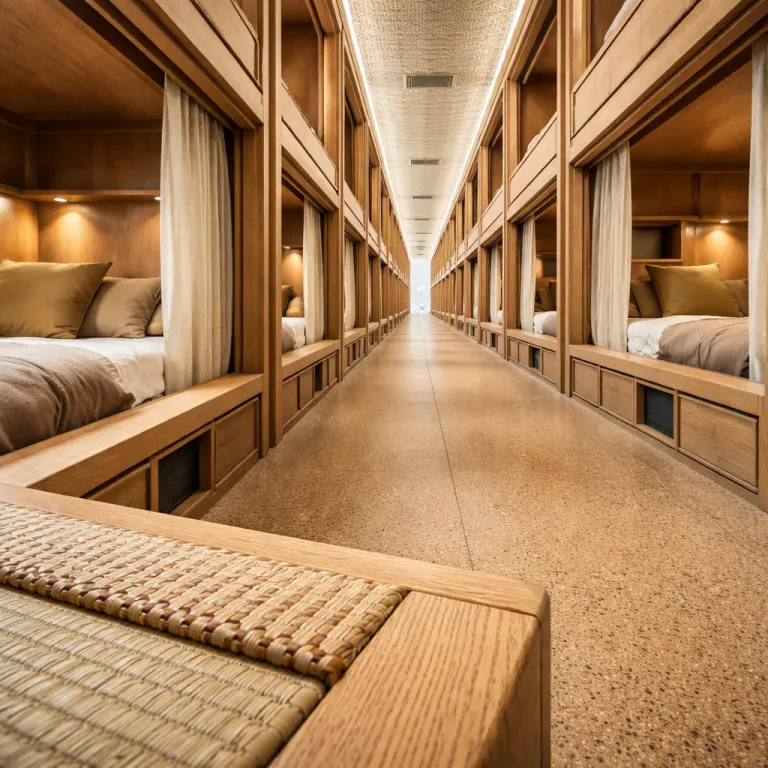
The original Japanese capsule concept was born from necessity, not marketing. In dense Japanese cities, capsules allowed business travellers to sleep near major stations without the cost or footprint of full size rooms, and that logic now underpins every sustainable capsule hotel summer. When you walk into a refined capsule hotel in Tokyo, Osaka or Kyoto, you feel how the architecture channels crowds smoothly while keeping private zones calm.
In Japan, the most interesting capsule hotels for couples now blend traditional aesthetics with quietly advanced technology. IoT driven climate control and biometric security are becoming standard in new builds, which means each capsule can maintain ideal sleep temperatures while corridors stay slightly warmer to save energy. Some properties in Osaka and Kyoto even calibrate ventilation by zone, so sleeping pods receive fresher air at night when alarms wake fewer people and the building can run fans at lower speeds.
Design also shapes how sustainable travel behaviour plays out in real time. Compact shared bathrooms encourage guests to keep toiletries streamlined, while well lit lounges make it natural to refill bottles at filtered water stations instead of buying plastic, and these small rituals add up over years of repeated summer visits. For female guests, dedicated capsule zones with secure access and thoughtful lighting balance privacy with safety, proving that eco conscious design can still feel indulgent.
Couples reading this blog and planning a city break in Japan often ask whether staying capsule style can feel romantic. The answer depends on the hotel, but premium capsules with generous sleeping pods, soft alarms wake options and quiet couples’ lounges can feel more intimate than many anonymous hotels. If you are considering a sustainable capsule hotel summer in the United States or Europe instead, consult this guide to refined ways to book a capsule hotel in USA for elevated urban stays and compare how different cities interpret the Japanese original.
Scaling up: why more capsules could mean lower global impact
What happens when a niche format goes mainstream during peak season? The global market for capsule hotels is expanding fast, and recent forecasts from hospitality analysts suggest that growth toward roughly 1.1 billion US dollars in annual revenue by the early 2030s could meaningfully offset hospitality’s environmental impact if operators stay committed to sustainable principles. Each additional capsule hotel that opens with smart systems and eco friendly materials reduces the average footprint per guest night across the wider hotel landscape.
One prominent operator group has positioned compact, efficient lodging as a blueprint for sustainable travel during the busiest months. Their stated objectives are to reduce environmental impact, enhance energy efficiency and promote sustainable tourism, and those goals align with what discerning couples now expect from premium accommodation. When a new hotel opened under their umbrella in a major national gateway city, it integrated energy efficient lighting, water saving fixtures and smart key technology from day one, setting a benchmark for others.
For guests, the scalability story becomes personal the moment they book summer travel. Choosing capsules over larger rooms in central districts means less land used for construction, fewer materials embedded in each pod and lower ongoing resource use every single time you sleep there. If millions of travellers make that choice over several years, the cumulative effect on emissions, water use and waste is far from marginal.
Behaviour still matters, and this is where targeted tips help couples translate values into action. Simple travel tips help such as using public transport, joining towel reuse schemes and respecting quiet hours so alarms wake fewer neighbours all contribute to smoother operations and lower energy peaks. When you see phrases like “all rights reserved” and a clear privacy policy on a capsule hotel website, you are also seeing signs of a professional, accountable operator that treats both data and environmental impact with the seriousness they deserve.
FAQ
How do capsule hotels reduce energy consumption during summer?
Capsule hotels reduce energy consumption in summer by minimising the volume of space that needs cooling and by using efficient systems. They rely on LED lighting, motion sensors and smart key cards that cut power to capsules when guests leave shared areas. In many newer properties, central building management systems also adjust temperatures and fan speeds by zone so that corridors and lounges do not use more energy than necessary.
Are capsule hotels comfortable during peak season heat?
Well run capsule hotels remain comfortable even when outside temperatures climb. Efficient insulation, zoned air conditioning and individual vents in sleeping pods keep temperatures stable while corridors run slightly warmer to save energy. Many Japanese inspired capsules also provide quiet fans and breathable linens, which help couples sleep well despite summer humidity.
Do capsule hotels offer enough amenities for a romantic city break?
Premium capsule hotels focus on essential yet high quality amenities rather than excess. You can expect strong showers, good toiletries in refillable dispensers, secure storage and thoughtfully designed lounges where couples can relax together. While the private space is compact, the combination of shared lounges and quiet capsules often feels more curated than many larger hotels.
How can guests support a sustainable capsule hotel summer?
Guests support a sustainable capsule hotel summer by choosing properties with clear eco policies and then following simple on site guidance. Reusing towels, limiting air conditioning settings, carrying a refillable bottle and sorting waste correctly all reduce strain on systems during peak occupancy. Booking in advance, using public transport and sharing honest feedback on social media also encourage operators to keep investing in sustainable practices.
Are capsule hotels suitable for female guests travelling in summer?
Many modern capsule hotels are very suitable for female guests, including solo travellers and couples. Properties in Tokyo, Osaka, Kyoto and other major cities often provide women only floors or zones with secure access and enhanced privacy. When booking, look for clear information about female only capsules, security measures and staff presence at reception, especially during late night check ins in summer.