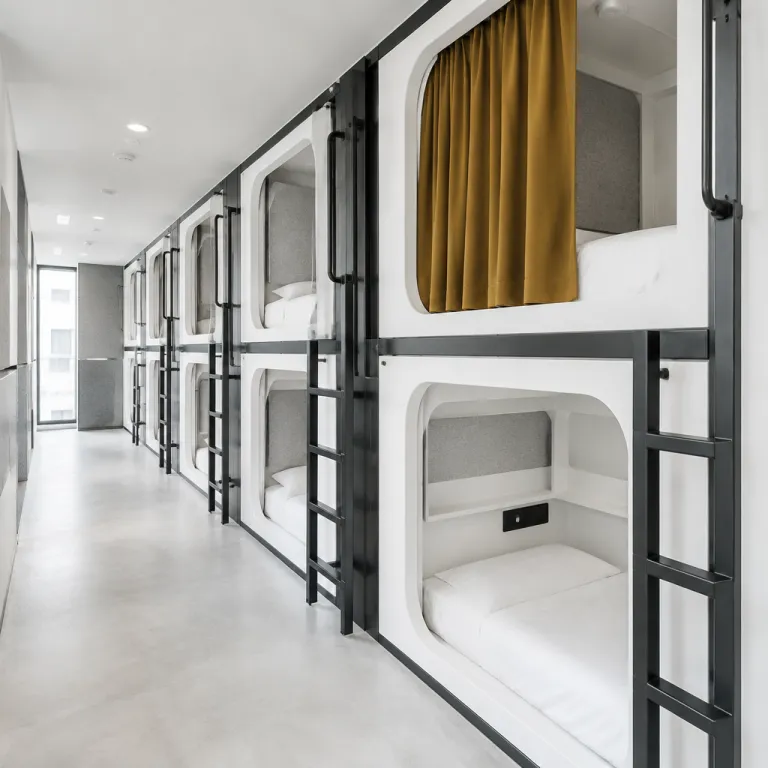
From Osaka origins to elevated capsule accommodation for modern travelers
Capsule accommodation began as a radical space saving answer to dense Japanese cities. When architect Kishō Kurokawa and his collaborators created the first capsule hotel, Capsule Inn Osaka, in 1979, they redefined how a capsule, a hotel, and a city could interact. Today that same concept has evolved into polished capsule hotels where guests expect refined design, curated amenities, and a calm sense of privacy.
Across Japan, especially in Tokyo and Osaka, capsule hotel operators now balance the original lower cost ethos with premium touches. The accommodation type still relies on compact pod units stacked two high, yet the best capsule hotels in Japan now integrate warm lighting, tailored mattresses, and quiet ventilation to elevate every sleep. This shift means a capsule hotel can compete with many traditional hotel rooms while keeping the footprint small and the experience intentionally minimalist.
For travelers comparing types of hotels, the difference between early open dorm capsules and today’s luxury capsule accommodation is striking. Early capsules felt close to hostels, with a simple bed inside capsule walls and basic shared showers at the end of the dorm corridor. Newer capsule hotels and pod hotel concepts introduce women only floors, refined lounges, and digital management systems that track occupancy and room service requests with the same precision as large hotels.
Tokyo now concentrates more than forty percent of all capsule hotel beds in Japan, which shows how deeply this format suits dense urban life. The latest generation of capsule hotels in Tokyo offers guests a choice between quiet single capsules, compact semi private rooms, and hybrid pod hotel suites with extra storage for luggage valuables. For many travelers, the first step into a premium capsule hotel lobby feels closer to a design forward hotel than to the hostels they might remember from student days.
Luxury focused booking platforms respond to this evolution by curating only capsule hotels that meet strict standards for cleanliness, safety, and service. They highlight whether a capsule hotel is male only, female only, or mixed, and whether pods include private safes, smart locks, or access to hotel offers such as spa passes. This careful selection helps guests skip content that does not match their expectations and focus on capsule accommodation that genuinely feels indulgent.
Design innovations inside capsule pods and shared spaces
Step inside capsule accommodation at the premium end of the market and the design story becomes immediately clear. The capsule itself is no longer just a plastic pod with a thin bed and a reading light, because it now acts as a micro room with layered lighting, acoustic insulation, and intuitive storage. Many capsules integrate a digital lock, a ventilation control, and a small console where guests can manage light, media, and wake up settings without leaving the bed.
Luxury capsule hotels in Tokyo and other major cities in Japan now treat each pod as a carefully tuned sleep cocoon. The best properties specify mattress density, pillow menus, and blackout blinds or doors that slide smoothly to protect privacy and reduce dorm noise. In these hotels, pods include thoughtful details such as raised platforms for luggage valuables, integrated USB C charging, and soft touch alarm systems that vibrate rather than beep.
Shared areas have also transformed from simple open dorm corridors into layered social and wellness zones. High end capsule hotels carve out quiet lounges, co working rooms, and spa inspired bathrooms that rival those of many full service hotels. A refined example is the capsule hotel Lucerne concept of urban edge design, where capsule hotel Lucerne stays with a refined urban edge show how warm timber, indirect lighting, and art can soften the futuristic pod aesthetic.
For travelers used to traditional hotel rooms, the difference lies in how space is allocated rather than in the quality of finishes. Instead of a single private room with a bed, desk, and bathroom, capsule accommodation offers a compact sleeping capsule and generous shared lounges, baths, and sometimes even rooftop terraces. This layout allows hotels to keep a lower cost per guest while still investing in premium materials, advanced air filtration, and quiet plumbing that supports restorative sleep.
Premium booking websites now filter capsule hotels by design features such as capsule size, ceiling height, and whether pods include adjustable ventilation or only fixed vents. They also highlight whether the dorm layout is an open dorm with rows of capsules or a series of smaller rooms that group fewer pods for extra privacy. These details matter for guests who value quiet, and they help travelers choose between capsule hotels, pod hotel formats, and compact hostels that may look similar at first glance but feel very different once inside.
Privacy, security, and the new standards of premium capsule stays
Privacy once felt like the main compromise when choosing capsule accommodation instead of a classic hotel room. Early capsule hotels often relied on simple curtains, and guests had to store luggage valuables in shared lockers along the corridor. Today, luxury capsule hotels treat privacy and security as core elements of their brand, not as optional extras, and weave them directly into the design of pods and shared spaces.
Many high end capsule hotels in Japan now install solid sliding doors or thick acoustic curtains on each capsule, combined with individual ventilation ducts that prevent stuffiness. Inside capsule walls, operators add sound absorbing panels and soft close mechanisms so that guests can sleep without constant noise from neighbouring pods. Lockable storage either sits under the bed platform or in a dedicated locker area, with digital locks linked to the same key card used throughout the hotel.
Security management has also become more sophisticated, especially in mixed gender dorm layouts. Operators use zoned access control so that only guests assigned to a specific dorm or floor can enter, which reduces through traffic and protects privacy. Women only capsule rooms and pods include extra features such as mirrored vanities, better lighting, and sometimes direct access to female only spa areas.
Premium capsule hotels now communicate clearly about what pods include in terms of safety features, from smoke detectors inside capsule ceilings to emergency lighting and clear evacuation signage. Booking platforms encourage guests to check whether the capsule hotel offers secure lockers, CCTV in public areas, and twenty four hour staff presence at reception. For many travelers, this transparency is the key difference between choosing a capsule hotel and opting for more anonymous hostels or budget hotels.
Luxury capsule hostels, a hybrid between hostels and capsule hotels, are playing a major role in redefining expectations. These properties combine the social energy of hostels with the structured management systems of hotels, including digital check in, app based room service for snacks, and clear quiet hours. A detailed look at how these concepts are evolving can be found in analyses of how luxury capsule hostels are redefining premium urban stays, which show how privacy and community can coexist in the same building.
Service, amenities, and the luxury twist on capsule accommodation
Service is where luxury and premium capsule accommodation truly separate themselves from basic capsule hotels and simple pod hotel formats. While the physical capsule remains compact, the range of services surrounding it can feel surprisingly close to that of full service hotels. Guests now expect thoughtful amenities, multilingual staff, and seamless digital tools that make every step of the stay feel smooth.
Some capsule hotels in Tokyo and other major cities in Japan now offer limited room service tailored to the capsule context, such as pre ordered breakfast boxes, barista coffee delivered to the lounge, or spa appointment bookings. Instead of a trolley arriving at a hotel room door, guests receive discreet notifications and collect items from designated lockers or counters near their dorm. This approach respects the shared nature of the space while still delivering a sense of indulgence and personal attention.
Wellness amenities have also expanded far beyond a simple shared shower room. High end capsule hotels integrate onsen style baths, infrared saunas, and relaxation rooms where guests can unwind before sleep, which is especially valuable after long haul flights. Many pods include high quality linens, adjustable reading lights, and white noise options that help guests fall asleep quickly and stay asleep despite the compact environment.
Food and beverage offerings in capsule hotels now rival those of many lifestyle hotels, with curated breakfast buffets, craft beer bars, and tea lounges. Luxury capsule hostels often partner with local cafés or restaurants, allowing guests to charge meals to their capsule hotel account even if the kitchen sits outside the main building. This partnership model keeps the lower cost structure of capsule accommodation while expanding the range of hotel offers available to guests.
Behind the scenes, advanced management systems coordinate housekeeping, maintenance, and guest requests across dozens or even hundreds of capsules and rooms. Operators track which capsules are occupied, which dorm zones need cleaning, and how guests move between lounges, bathrooms, and sleep areas. These data driven insights help capsule hotels refine everything from lighting schedules to staff deployment, ensuring that premium service feels effortless even in a highly compact environment.
Pricing, value, and how premium capsule stays reshape urban travel
One of the enduring strengths of capsule accommodation is its ability to deliver strong value in expensive cities. In Tokyo, for example, the average daily rate per capsule bed often sits well below that of standard business hotel rooms, even when the capsule hotel offers spa access and refined lounges. This lower cost structure allows travelers to allocate more of their budget to dining, culture, and shopping while still enjoying a comfortable place to sleep.
Data from MetroEngines Research, published in 2022, show that Japan now counts more than thirty thousand capsule beds, with over forty percent located in Tokyo alone. This concentration reflects how capsule hotels and pod hotel formats have become integral to the urban hospitality landscape, especially near major train stations and nightlife districts. For travelers who might otherwise miss the last train, a capsule hotel offers a safe, clean, and relatively affordable alternative to long taxi rides or staying in crowded hostels.
Premium booking websites help guests compare the difference between basic capsules and luxury capsule accommodation by presenting clear information on pod size, amenities, and included services. Filters allow travelers to skip content that does not match their expectations, such as properties without women only floors, without secure lockers for luggage valuables, or without quiet hours. This transparency supports informed decisions and reinforces trust in capsule hotels as a serious alternative to more traditional types of hotels.
Analyses of how capsule concepts influence pricing strategies, such as those on how capsule castle cost is reshaping luxury capsule hotel bookings worldwide, show that operators can maintain healthy margins while keeping nightly rates attractive. By stacking capsules efficiently and centralising services like housekeeping and laundry, capsule hotels reduce operational costs without compromising on cleanliness or safety. Guests benefit from this efficiency through lower rates and access to central locations that might otherwise be out of reach.
For many travelers, the key question is whether the trade off between private space and shared facilities feels worthwhile. When capsule hotels invest in high quality beds, strong sound insulation, and generous shared lounges, the answer is often yes, especially for solo travelers and digital nomads. The result is a new category of urban stay where a compact capsule bed anchors the experience, while the hotel around it delivers the sense of place and comfort that used to require a much larger room.
How to choose the right premium capsule hotel for your trip
Selecting the right capsule accommodation begins with clarifying your priorities around privacy, budget, and location. Travelers who value absolute privacy may prefer capsule hotels that offer semi enclosed rooms with fewer pods, rather than a large open dorm with dozens of capsules. Those who prioritise social interaction might lean toward luxury capsule hostels, where shared lounges and events encourage guests to meet while still returning to a quiet pod for sleep.
Before booking, check whether the capsule hotel is male only, female only, or mixed, and whether it offers women only floors or rooms. Look closely at what pods include, such as individual ventilation, reading lights, power outlets, and storage for luggage valuables either inside capsule walls or in nearby lockers. It is also wise to confirm whether the hotel provides earplugs, pyjamas, and toiletries, or whether you should pack your own for maximum comfort.
Location remains crucial, especially in large cities like Tokyo where train access can shape your entire itinerary. Capsule hotels near major stations or airports often command slightly higher rates, yet they save time and transport costs, which can offset the price difference. When comparing hotels in Japan, consider not only the nightly rate but also the value of included amenities such as spa access, breakfast, and late check out options.
Guest reviews offer valuable insight into how well a capsule hotel manages noise, cleanliness, and staff responsiveness. Pay attention to comments about dorm etiquette, such as whether guests respect quiet hours and whether staff intervene when necessary to protect sleep quality. Management responses to reviews can also reveal how seriously the hotel takes feedback and whether it invests in continuous improvement.
Finally, think about your own habits and comfort levels when choosing between capsule hotels, pod hotel formats, and compact hostels. If you tend to work late, look for properties with dedicated co working rooms and strong Wi Fi, so that your capsule remains a pure sleep zone. If you travel with bulky luggage, prioritise hotels that offer generous storage rooms and clear policies on where to keep large bags, rather than expecting everything to fit inside capsule spaces.
Future trends in luxury capsule accommodation and global expansion
The future of capsule accommodation is moving steadily toward more personalised, tech enabled, and design conscious experiences. What began as a pragmatic response to high land costs in Japan has evolved into a global category that attracts both budget travelers and style conscious guests. As capsule hotels spread beyond Tokyo and Osaka into regional cities and international hubs, the range of concepts and service levels continues to expand.
Operators are experimenting with new layouts that blur the line between capsule hotels and micro hotel rooms, such as pods with small standing areas or fold out desks. Some properties introduce family capsules or interconnected pods that allow couples and small groups to share a semi private zone within a larger dorm. These innovations respond to changing travel patterns, where solo trips, workations, and short city breaks all demand flexible, efficient accommodation.
Technology will play a central role in how capsule hotels manage both operations and guest experience. App based check in, digital keys, and real time occupancy data already help management teams allocate cleaning staff, adjust ventilation, and monitor noise levels across multiple rooms and dorm zones. In the coming years, we can expect more granular control inside capsule spaces, from personalised lighting scenes to adaptive mattresses that adjust firmness during the night.
As capsule hotels expand globally, cultural adaptation becomes essential, especially when exporting concepts that originated in Japan. Operators must balance the minimalist ethos of Japanese capsule hotels with local expectations around space, service, and privacy in markets such as Europe, North America, and Southeast Asia. Successful examples show that when hotels respect local habits while preserving the core efficiency of capsules, guests respond enthusiastically.
For travelers, this evolution means more choice across the full spectrum of types of hotels, from classic luxury properties to refined capsule hotels that offer a different kind of indulgence. Whether you are booking a quick overnight near a station or planning a week long city stay, capsule accommodation now deserves a serious place on your shortlist. As one industry summary neatly puts it, “What is capsule accommodation? Small pod-like sleeping unit with shared facilities” and “Where did capsule hotels originate? Osaka, Japan in 1979” and “Who uses capsule hotels? Budget travelers, business workers, people needing affordable stay” and “How much do they cost? Often much cheaper than business hotels; examples ¥4,000-¥5,700 in Japan”.
Key statistics on capsule accommodation and capsule hotels
- Japan hosts more than 30,000 capsule hotel beds nationwide, with 30,453 beds recorded in MetroEngines Research data from 2022, showing how deeply capsules are embedded in the national hospitality landscape.
- Tokyo alone accounts for 41.1 percent of all capsule beds in Japan, which underlines the importance of capsule hotels for urban travelers who need efficient, centrally located sleep options.
- The estimated average daily rate per capsule bed in Tokyo reached around 5,400 yen in a recent August survey, positioning capsule accommodation as a lower cost alternative to business hotels while still supporting strong ROI for operators.
- There are now more than 230 capsule hotel properties across Japan, a figure that has grown steadily since the first Osaka opening and that reflects rising global interest in pod style hotel rooms.
- Premium capsule hotels increasingly dedicate entire floors to women only capsules or mixed gender pods with enhanced privacy, a trend that responds directly to guest feedback and improves perceived safety for solo travelers.
Frequently asked questions about capsule accommodation
What is capsule accommodation and how does it differ from a hostel dorm ?
Capsule accommodation offers individual enclosed pods or capsules, each with a bed, light, and controls, arranged in structured rows inside larger rooms. Unlike a typical hostel dorm where multiple beds share open space, capsule hotels provide more privacy through curtains or doors and often include better sound insulation. Shared bathrooms and lounges remain, yet the sleep experience feels closer to a compact hotel room than to a simple bunk bed.
Where did capsule hotels originate and why in Japan ?
Capsule hotels originated in Osaka, Japan, when architect Kishō Kurokawa and his collaborators responded to high urban land costs and the need for affordable overnight stays. The format suited Japanese cities where many workers missed the last train and needed a clean, safe place to sleep without paying for a full hotel room. From there, capsule hotels spread to Tokyo and other cities in Japan before inspiring similar concepts worldwide.
How much does a capsule hotel typically cost compared with a standard hotel ?
In major Japanese cities, capsule hotel rates often range from roughly 4,000 to 5,700 yen per night, which is usually significantly cheaper than standard business hotels in the same area. Prices vary by location, season, and whether the property positions itself as basic or premium capsule accommodation. Even at the higher end, capsules generally remain a lower cost option than full size hotel rooms, especially in central districts.
Is it safe to store luggage and valuables in a capsule hotel ?
Reputable capsule hotels provide secure lockers or storage rooms with digital locks, and many pods include small safes or lockable compartments for valuables. Guests are usually advised to keep only essential items inside capsule spaces and to store larger bags in designated lockers or luggage rooms. As with any hotel, choosing properties with good reviews and clear security policies is the best way to protect luggage and valuables.
Who are capsule hotels best suited for and when should I choose another type of hotel ?
Capsule hotels are ideal for solo travelers, business guests needing a short overnight stay, and budget conscious visitors who prioritise location and cleanliness over large private rooms. They work especially well for short stays, late arrivals, or nights near major stations and airports. Travelers who need more space, are travelling with young children, or require full in room privacy may prefer traditional hotel rooms or serviced apartments instead.