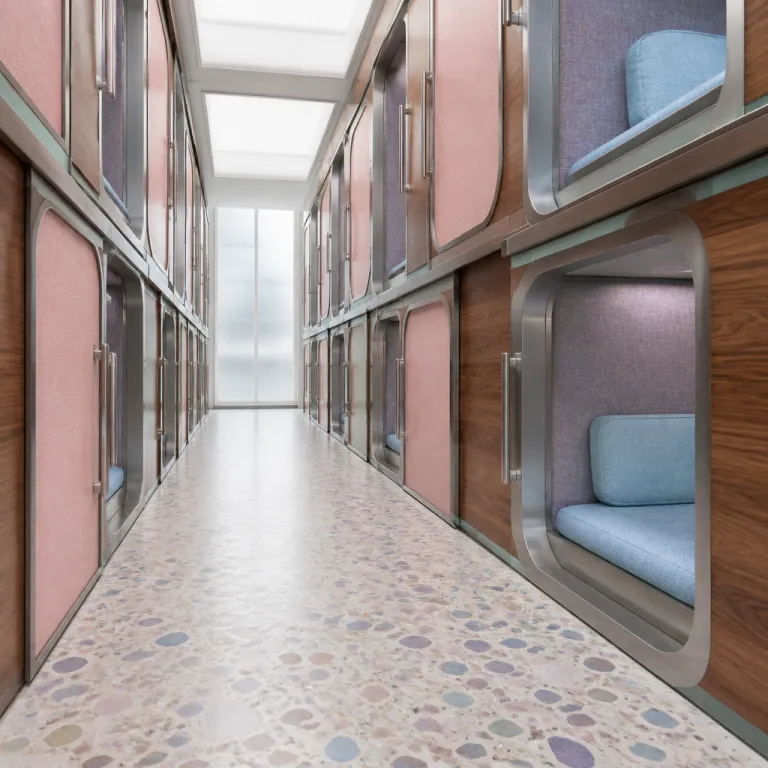
Understanding capsule castle cost in the new era of luxury capsule stays
Luxury capsule hotels increasingly borrow ideas from the prefab capsule housing world, so understanding capsule castle cost helps you judge value rather than just chasing the lowest rate. When you compare a premium capsule house used as a hospitality unit with a traditional hotel room, you see how modular construction, factory built units, and rapid delivery reshape both price and guest experience. For travellers, this means you can evaluate not only the nightly cost but also the long term quality of living, energy performance, and design features hidden behind each compact space.
Capsule Castle is often described in industry commentary as a global style manufacturer of modular capsule homes, and its indicative price ranges quietly influence what you pay per night in high end capsule houses. According to the company’s own documentation, their basic shell capsule homes start around 15 000 USD, while a luxury multi room capsule castle unit can reach 100 000 USD, and this house price structure guides how operators calculate nightly rates for both short term and long term stays. When a hotelier invests in a premium space capsule style unit with smart home features and high grade materials, the total project house cost is higher, but the guest benefits from better sound insulation, more generous house space, and refined modular capsule ergonomics.
For travellers comparing capsule hotels in Tokyo, Singapore, or Paris, the key is to link capsule castle cost with what you actually receive in terms of house capsule comfort. A compact tiny house style pod built with energy efficient materials and eco friendly systems can justify a higher price when it delivers quiet sleeping space, precise climate control, and thoughtful storage. By reading property descriptions carefully and asking how the capsule houses were built, you can align your expectations with the underlying construction costs and avoid paying a premium price for low quality prefab units.
Global trends shaping capsule castle cost on premium booking platforms
Across major booking websites, luxury capsule listings now highlight their construction story, because capsule castle cost has become a selling point rather than a hidden figure. Operators increasingly mention that their capsule homes are based on modular designs similar to those promoted by Capsule Castle, using prefabricated materials and quick on site assembly to reduce both costs and environmental impact. This transparency helps guests understand why some capsule houses command higher nightly prices than conventional micro rooms in the same neighbourhood.
Market data reported by Capsule Castle and echoed in modular housing case studies shows that modular capsule units can often be installed in one to three days, which dramatically lowers labour costs and allows hotels to open more house space during peak months such as July. When a property can add an expandable house wing of tiny houses in a single week, it captures seasonal demand without committing to heavy concrete construction, and that flexibility stabilises house cost per key over the long term. As a guest, you may notice that new capsule castle wings open just before summer festivals or major events, and this agile capacity often keeps the price range more reasonable than in cities dominated by fixed inventory.
Urban hospitality is also shifting as capsule hotels adopt capsule house technology to enter premium segments, especially in cities highlighted in recent capsule hotel opening reports. Properties that invest in energy efficient prefab capsule modules with integrated smart systems can reduce operating costs, which in turn supports competitive nightly prices even in prime locations. For travellers, this means that a carefully engineered capsule castle may offer a better balance of cost, comfort, and eco friendly living than many traditional houses converted into guest accommodation.
From capsule homes to capsule hotels: how residential design drives guest experience
The line between a residential capsule house and a luxury capsule hotel pod is increasingly thin, and capsule castle cost reflects this convergence. Capsule Castle originally designed modular capsule homes for permanent living, but hoteliers quickly recognised that the same tiny house principles could elevate compact hospitality spaces. When you sleep in a premium capsule castle suite, you are often staying inside a reconfigured house capsule that was engineered for full time living rather than just short term stays.
This residential heritage matters, because capsule homes must meet stricter standards for insulation, ventilation, and materials than many temporary hotel structures. A prefab capsule designed for long term occupation usually features higher quality finishes, better acoustic control, and more thoughtful storage solutions, all of which enhance the perceived value of the nightly price. Guests who have tried older capsule houses with thin walls and basic fittings immediately feel the difference when they step into a modular capsule built with the same care as modern tiny houses.
Regional trends also influence how these designs appear on booking platforms, as shown by analyses of Europe’s capsule hotel boom. European operators often favour eco friendly materials, generous house space per guest, and flexible expandable house layouts that can switch between private pods and family capsules. One Berlin based manager of a Capsule Castle inspired property notes that “residential grade capsules cost more at the start, but guests stay longer and leave better reviews, so the investment pays back over time.” This approach raises initial capsule castle cost but allows properties to serve both short term city breakers and long term digital nomads, spreading costs across diverse guest profiles while maintaining a refined, residential feel.
Materials, energy performance, and the hidden layers of capsule castle cost
Behind every polished capsule castle photo on a booking website lies a complex story of materials, energy systems, and logistics that shape the final cost. Capsule Castle relies on prefabricated materials and advanced manufacturing techniques, which reduce waste and improve build quality compared with ad hoc conversions of existing houses. For guests, this means that a higher nightly price often signals better structural integrity, safer fire rated materials, and more reliable climate control inside each capsule.
Energy performance is a major driver of both long term operating costs and guest comfort in capsule homes. A well insulated modular capsule with energy efficient windows, LED lighting, and smart climate control can cut energy costs significantly, especially in dense urban locations where every kilowatt hour matters. When you see a property emphasising eco friendly design and low energy use, you are usually looking at a capsule castle whose total project cost included premium materials but now benefits from lower monthly bills.
Travellers interested in sustainability should pay attention to how properties describe their prefab capsule construction and material choices, including any use of reclaimed finishes or bio based panels. Detailed case studies of innovative capsule hotel materials show that mycelium panels, recycled metals, and responsibly sourced timber can all appear in modern capsule houses. While these upgrades may raise initial house cost, they often improve indoor air quality, acoustic comfort, and the overall feeling of refined living inside each tiny house style pod.
Pricing logic on luxury booking sites: how to read capsule castle cost as a guest
When you browse a premium booking website, capsule castle cost usually appears as a simple nightly rate, but several layers sit behind that figure. Operators must recover the initial house price of each capsule house, ongoing maintenance costs, and the expense of high touch services such as concierge support or curated amenities. Understanding this structure helps you compare capsule houses fairly with traditional hotel rooms, serviced apartments, or even standalone tiny houses on rental platforms.
Many luxury capsule hotels now segment their inventory by design features, offering different price points for standard capsules, space capsule themed units, and larger expandable house suites. A basic capsule may share bathrooms and offer minimal house space, while a premium modular capsule includes private en suite facilities, upgraded materials, and advanced soundproofing. The more a unit resembles a self contained capsule homes layout, the closer its nightly price will be to that of a compact serviced apartment, especially in high demand months such as July.
Guests planning long term stays should look for properties that explicitly mention residential grade construction, because these capsule castle units are built for extended living rather than quick short term turnover. In practice, this means better storage, more robust fittings, and often a lower effective house cost per night when you book several weeks or months. By reading between the lines of each listing and asking about construction standards, you can align capsule castle cost with your expectations for comfort, privacy, and durability.
What Capsule Castle’s housing data reveals about future capsule hotel pricing
Capsule Castle’s role as a manufacturer of modular capsule homes offers insight into where capsule castle cost is heading for the hospitality sector, even though its figures are primarily self reported. Their company reported price range, from around 15 000 USD for a basic shell to 100 000 USD for a luxury multi room unit, sets a clear framework for how much capital hoteliers must invest per capsule. As more properties adopt these prefab capsule solutions, economies of scale in materials, logistics, and assembly are likely to stabilise or even reduce average house cost per guest over time.
The company’s focus on quick delivery and on site assembly in one to three days also changes the financial equation for hotels. Instead of waiting months for traditional construction, operators can add new capsule houses just before peak demand, reducing the duration during which capital sits idle and unproductive. This agility encourages experimentation with new layouts, from compact space capsule pods to larger tiny house style suites, all of which can be reconfigured as guest preferences evolve.
Official guidance from Capsule Castle underlines the value proposition for both housing and hospitality clients, stating : “Prices range from $15,000 for basic units to $100,000 for luxury models.” and “Features vary by model; higher-end units include smart home systems and premium materials.” and “How long does it take to install a Capsule Castle home? Installation typically takes 1 to 3 days, depending on the model and site conditions.” These figures are company statements rather than independent benchmarks, but for travellers they still explain why some capsule castle listings feel closer to compact homes than simple pods, and why paying a little more can secure a quieter, more energy efficient, and more refined living experience during your stay.
Key statistics on capsule castle cost and luxury capsule hospitality
- Basic shell style Capsule Castle units start around 15 000 USD, while luxury multi room capsule castle homes reach about 100 000 USD, creating a wide price range that directly influences nightly rates in high end capsule hotels (Capsule Castle internal pricing data).
- Standard studio capsule house units are typically priced near 25 000 USD, with premium capsule homes around 45 000 USD and specialised space capsule designs about 55 000 USD, giving hoteliers several tiers of house cost to match different guest segments (Capsule Castle product catalogue).
- Factory built modular capsule units can usually be installed on site in one to three days, significantly reducing labour costs and allowing properties to add new capsule houses just before peak travel periods such as July (Capsule Castle installation guidelines).
- Global interest in modular housing and tiny houses has risen steadily over recent years, driven by demand for affordable homes and faster delivery, which in turn supports wider adoption of prefab capsule technology in the hospitality sector (industry analyses from organisations such as the World Bank and UN Habitat).
FAQ about capsule castle cost and luxury capsule hotel bookings
How does capsule castle cost compare with traditional hotel construction ?
Modular capsule castle units generally require lower upfront construction costs and far shorter installation times than conventional concrete or steel hotel structures. Because Capsule Castle builds capsule homes in factories and assembles them on site within days, labour and financing costs are reduced. For guests, this often translates into competitive nightly prices for high quality compact spaces in prime locations.
Why do some capsule hotels charge premium rates for small spaces ?
Premium capsule hotels often use residential grade capsule house or modular capsule units with advanced materials, smart systems, and strong soundproofing. These features raise the initial house price and total project cost but deliver a quieter, more comfortable living environment. When you pay a higher rate, you are usually covering both the refined design and the long term durability of the capsule castle structure.
Are capsule castle based hotels suitable for long term stays ?
Many properties that invest in Capsule Castle style capsule homes design their units for both short term guests and long term residents. These capsules often include generous storage, ergonomic workspaces, and energy efficient systems that support everyday living. If you plan to stay several weeks, look for listings that highlight residential construction standards and tiny house inspired layouts.
How can I tell if a capsule hotel uses quality prefab materials ?
High end capsule hotels usually mention prefab capsule construction, eco friendly materials, or specific brands such as Capsule Castle in their descriptions. You can also look for references to modular construction, factory built units, and quick delivery, which signal a professional build process. When in doubt, contact the property and ask about insulation, fire safety ratings, and the age of the capsule houses.
Does booking in July affect capsule castle cost for guests ?
July is often a peak travel month in many destinations, so nightly prices for capsule castle units can rise with demand. However, the modular nature of capsule homes allows some hotels to add extra house space just before the season, which can moderate price increases. Booking early and being flexible with dates usually helps you secure better rates on both standard capsules and larger tiny house style suites.
References : World Bank housing and urban development reports ; UN Habitat publications on affordable modular homes ; Capsule Castle official product and pricing documentation.