The trust gap around capsule hotel greenwashing sustainability
Luxury capsule hotels promise low impact stays in high impact cities. Many highlight sustainability and eco friendly design, yet guests often meet environmental claims that feel vague or unproven. When you travel with children, that gap between promise and real sustainability quickly becomes a trust issue.
Across the hotel sector, capsule hotel greenwashing sustainability now sits on a spectrum that runs from outright fabrication to soft focus language. Some capsule hotels talk about green values and sustainable tourism without publishing a single environmental report or any data on energy consumption. Others promote eco practices loudly while ignoring plastic waste, water energy use and the carbon footprint of frequent events hosted in their shared lounges.
Families booking a capsule hotel want clarity, not slogans. You need to know whether sustainability claims reflect measurable environmental impact reductions or just a marketing sign on the lobby wall. The compact capsule format can reduce energy and water use per guest, but that structural advantage does not replace serious waste management, renewable energy sourcing and transparent management of environmental impact.
The spectrum of environmental claims in capsule hotels
At one end of the spectrum, some capsule hotels simply invent sustainability claims. A property might advertise carbon neutral stays without any third party audit, or mention renewable energy without specifying what share of total energy actually comes from certified green sources. These environmental claims often appear once on a landing page and never again in any detailed sustainability report.
More common in capsule hotel greenwashing sustainability are the soft phrases. Words like eco friendly, environmentally friendly and eco conscious appear beside images of bamboo toothbrushes, while the hotel quietly avoids publishing numbers on water energy use, waste management or energy consumption in shared areas. Families reading these claims may assume a low environmental impact, yet the property could still send all plastic waste to landfill and rely entirely on fossil fuel energy.
At the credible end of the spectrum, you will find capsule hotels that treat sustainability as a management discipline. These properties publish a dated environmental report, show year on year reductions in carbon footprint and explain how capsule design, water saving fixtures and waste management systems work together. For premium travelers, those details separate real sustainability from polished green storytelling.
How to read capsule hotel websites for real sustainability signals
Before you book, the capsule hotel website is your first filter against capsule hotel greenwashing sustainability. Start with the sustainability or environmental section ; if it does not exist, that absence is already a sign that sustainability claims elsewhere may be thin. A serious hotel will group its eco practices, environmental impact data and sustainability report links in one clearly labeled area.
Look for dated, specific information rather than timeless slogans. When a capsule hotel mentions reduced energy consumption, you should see percentages tied to a baseline year, ideally with a short case study explaining how capsule design or new systems cut energy and water use. If the property highlights sustainable travel or sustainable tourism, check whether it mentions local communities, carbon footprint tracking and third party verification of environmental claims.
Eco certified hotels see 24.5% higher booking share, proving genuine certification pays off. That figure matters when you compare capsule hotels that show a recognised eco label with those that simply use green icons and the word eco friendly without context. For families, a credible certification backed by a third party audit is often the fastest way to separate marketing from management.
Red flags that suggest capsule hotel greenwashing sustainability
Certain patterns on a capsule hotel website should make eco conscious travelers pause. Sustainability claims without dates, such as “we recently reduced our carbon footprint”, are hard to trust when you cannot see when or how the reduction happened. Percentages without baselines, like “30% less water energy use”, mean little if you do not know compared to what.
Self awarded certifications are another warning sign. If a capsule hotel displays a green leaf badge designed in house, with no link to a recognised sustainable tourism standard or third party body, you are likely seeing capsule hotel greenwashing sustainability rather than verified performance. The same applies to environmental claims that rely on single actions, such as removing plastic straws, while ignoring wider waste management and energy consumption issues.
Be cautious when a hotel highlights one eco friendly initiative during special events but never reports ongoing environmental impact. For example, a capsule hotel might promote a zero plastic waste weekend while offering no permanent recycling, no renewable energy sourcing and no published environmental report. Families should treat these isolated events as marketing unless they sit within a broader, measurable sustainability strategy.
Green flags: how to recognise genuine capsule hotel sustainability
Authentic capsule hotel greenwashing sustainability is not about perfection ; it is about transparency and progress. A strong sign is alignment with Global Sustainable Tourism Council (GSTC) recognised standards or similar frameworks, especially when the certification process includes regular third party audits. When a capsule hotel publishes its latest sustainability report with clear data on energy, water and waste, you can start to assess real sustainability rather than promises.
Look for granular numbers. A credible capsule hotel will show total energy consumption per guest night, explain how capsule design reduces heating and cooling needs, and detail investments in renewable energy such as rooftop solar or green electricity contracts. Water data should cover low flow fixtures, laundry optimisation and any grey water reuse, all of which directly reduce environmental impact while maintaining comfort for families.
Waste management deserves equal attention. Properties that take sustainable travel seriously will describe how they separate plastic waste, food waste and general waste, and whether local communities benefit through composting partnerships or recycling jobs. When you see a capsule hotel linking its eco friendly practices to measurable reductions in carbon footprint and to specific local communities, you are usually looking at environmental claims grounded in management, not marketing.
The capsule hotel advantage – and its limits
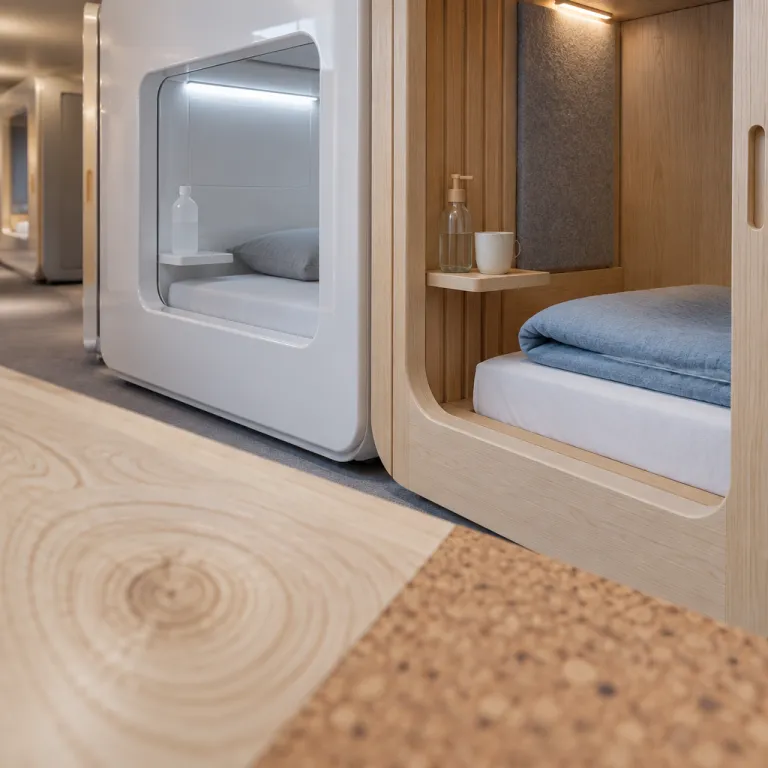
The compact nature of capsule hotels gives them a structural head start on sustainability. Smaller private capsules require less energy for heating, cooling and lighting than traditional hotel rooms of 20 m² or more. Shared bathrooms and lounges also reduce total water and energy consumption per guest, especially when combined with efficient fixtures.
However, that design advantage does not automatically prevent capsule hotel greenwashing sustainability. A property can still waste water, ignore plastic waste and run high carbon events if management does not prioritise sustainable practices. Families should treat the capsule format as a helpful foundation, then look for proof that the hotel has built a full sustainability strategy on top of it.
For example, a well run capsule hotel might pair its efficient capsules with renewable energy contracts, smart lighting controls and detailed monitoring of environmental impact. Another might publish a case study on how redesigning capsule ventilation cut energy consumption while improving sleep quality. When you read such specifics, you see how capsule hotels can turn structural efficiency into real sustainability rather than relying on the format alone.
What to check before booking a capsule hotel with your family
When you compare capsule hotels for a family trip, treat sustainability as one of your core filters alongside safety and location. Start with the booking page and look for links to a sustainability report, environmental policy or eco certification ; absence of all three suggests capsule hotel greenwashing sustainability is more likely. If the hotel claims to be eco friendly or environmentally friendly, check whether those words link to detailed explanations.
Scan for information on water energy use, waste management and carbon footprint. A serious capsule hotel will explain how it handles plastic waste, whether it offers filtered water stations instead of single use bottles, and how often it measures energy consumption in capsules and shared spaces. If you see only generic sustainability claims, such as “we care about the planet”, without numbers or dates, treat that as a sign to keep researching.
Families should also look at how the hotel interacts with local communities. Real sustainability often includes sourcing food and amenities locally, supporting neighbourhood events and sharing tourism benefits beyond the property walls. When a capsule hotel explains how its eco conscious practices support sustainable tourism in the city, you gain confidence that environmental impact is part of a wider, thoughtful management approach.
Using insider tools and reports to verify sustainability claims
Premium travelers can go one step further by cross checking capsule hotel greenwashing sustainability against independent information. Eco labels recognised by GSTC or similar bodies usually publish criteria online, allowing you to see whether a hotel’s certification covers energy, water, waste and carbon, or just a narrow slice of operations. Reading a recent sustainability report from the parent hotel group can also reveal whether capsule hotels in the portfolio follow consistent environmental practices.
On capsulehotelstay.com, our analysis of eco certified capsule stays and booking trends shows that guests increasingly reward transparent properties. When you see a capsule hotel publishing a case study on how it reduced energy consumption during peak occupancy, that level of detail usually signals real sustainability work behind the scenes. By contrast, properties that rely solely on green imagery and short environmental claims often lack the operational depth families expect.
For urban stays, it is also worth understanding how regulations shape capsule hotel design and safety, which indirectly affects environmental impact. Our guide to how fire codes and zoning laws influence capsule hotel locations explains why some cities encourage compact, efficient properties while others restrict them. When a capsule hotel operates within a framework that rewards sustainable tourism and eco conscious building standards, its sustainability claims tend to be more robust.
Peak season, events and the hidden footprint of busy capsule hotels
Even the most efficient capsule hotel faces sustainability challenges during peak travel seasons. High occupancy, frequent linen changes and constant use of shared showers can push water energy use and overall energy consumption sharply higher. Families arriving during school holidays should understand how the hotel manages environmental impact when every capsule is full.
Look for information on how the property handles events and group bookings. A capsule hotel that hosts regular social events in its lounge may generate extra waste, especially plastic waste from drinks and snacks, unless it has strong waste management systems. If the hotel talks about sustainable travel but never explains how it keeps events low waste and low carbon, you may be seeing capsule hotel greenwashing sustainability in action.
Our feature on how capsule hotels handle summer crowds sustainably highlights properties that adjust operations during busy periods. These hotels often increase renewable energy use, tighten water management and publish short updates on seasonal environmental impact. When you see that level of responsive management, you can book knowing that sustainability claims extend beyond quiet midweek nights.
How families can support sustainable capsule hotel practices
Guests play a role in turning capsule hotel greenwashing sustainability into genuine progress. When you choose properties with transparent environmental reports and third party certifications, you reward hotels that invest in real sustainability. During your stay, simple actions such as reusing towels, sorting waste correctly and limiting unnecessary water use in shared bathrooms help reduce environmental impact further.
Families can also ask informed questions at check in. Asking how the hotel measures its carbon footprint, whether it uses renewable energy or how it manages plastic waste signals that travelers care about sustainable tourism. When enough guests raise these topics, management has a stronger incentive to move from vague environmental claims to detailed, verifiable practices.
After your trip, consider mentioning sustainability in your reviews. Highlight capsule hotels that publish clear data on energy consumption, water energy savings and waste management, and call out those whose sustainability claims felt misleading. Over time, this feedback loop helps close the trust gap and makes real sustainability the standard rather than the exception in capsule hotels worldwide.
Key statistics on capsule hotel sustainability and greenwashing
- Across the wider hotel sector, 67% of travelers say they have encountered misleading environmental claims during stays, underscoring how common greenwashing is in hospitality (Uniqode, global survey).
- Eco certified hotels enjoy a 24.5% higher booking share compared with non certified competitors, showing that transparent, third party verified sustainability can directly influence guest choices and revenue (Uniqode, hospitality marketing analysis).
- Studies of compact urban accommodations indicate that smaller rooms and capsules can cut operational energy use per guest night by up to 30% compared with traditional rooms, mainly through reduced heating and cooling loads (various hotel energy benchmarking reports).
- Water saving fixtures such as low flow showers and dual flush toilets typically reduce guest water consumption by 20–40% in hotels, a range that capsule properties can often exceed thanks to shared facilities and shorter shower times (international hotel sustainability benchmarks).
- Waste audits in city hotels show that plastic waste can represent more than 20% of total solid waste by volume, which is why eliminating single use amenities and improving recycling are central to credible capsule hotel sustainability strategies (urban hospitality waste studies).
FAQ about greenwashing and sustainability in capsule hotels
How can I quickly tell if a capsule hotel is greenwashing?
Check whether the capsule hotel backs its sustainability claims with dated data, third party certifications and a recent environmental report. If you only see generic eco friendly language, green icons and no numbers on energy, water or waste, you are likely facing capsule hotel greenwashing sustainability rather than verified performance.
Which sustainability certifications are most reliable for capsule hotels?
Look for certifications aligned with Global Sustainable Tourism Council recognised standards or similar rigorous frameworks. Reliable eco labels usually require third party audits, cover energy consumption, water use, waste management and carbon footprint, and publish clear criteria that apply equally to capsule hotels and traditional properties.
Do capsule hotels always have a lower environmental impact than regular hotels?
Capsule hotels often start with lower energy and water use per guest because of their compact design and shared facilities. However, without strong management of waste, renewable energy sourcing and sustainable tourism practices, their overall environmental impact can still be significant, so design alone does not guarantee real sustainability.
What should families look for when booking an eco conscious capsule hotel?
Families should prioritise properties that publish a recent sustainability report, show clear data on energy consumption and water savings, and explain their waste management systems. Transparent environmental claims, credible certifications and evidence of support for local communities are strong signs that the capsule hotel treats sustainability as more than marketing.
How can my stay help improve sustainability in capsule hotels?
Your choices send a signal to the market, so book capsule hotels with transparent environmental practices and third party verification. During your stay, follow the hotel’s eco guidelines, minimise plastic waste and water use, and mention sustainability performance in your review to encourage better management and discourage capsule hotel greenwashing sustainability.