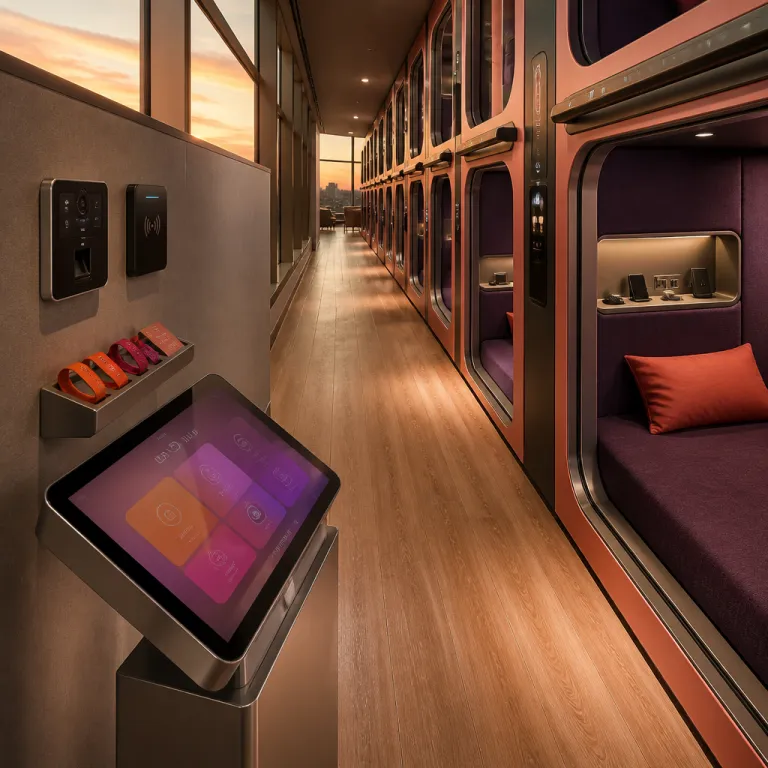
Smart luxury in compact spaces for modern capsule hotel platforms
Smart luxury in capsule hotels now rivals many premium suites. On advanced capsule booking platforms, leading properties such as Nine Hours in Tokyo, YOTEL in New York, and The Pod Hotels in Singapore curate pods with integrated technology that anticipates guest needs and refines every square centimetre. This shift means travellers can enjoy high end comfort in compact capsules without sacrificing privacy, control, or a sense of exclusivity.
Guests booking through a luxury focused capsule platform increasingly expect app based check in, biometric or PIN access, and personalised lighting scenes that adapt to circadian rhythms. Within a well designed booking journey, these tools are not gimmicks; they orchestrate temperature, sound, and light to create a calm micro sanctuary after a long flight. For many frequent travellers, the ability to manage every setting from a smartphone or in pod tablet has become a deciding factor when comparing capsule options in cities such as Los Angeles, London, or Tokyo.
Premium capsule hotels using smart technology also provide granular information before booking, which is crucial for discerning guests. A refined interface will show pod dimensions in metres (for example, 1.1–1.2 m wide, 2.1–2.3 m long, and around 1.1 m high), mattress specifications such as high density foam or hybrid pocket spring, acoustic ratings in decibels, and even HEPA or MERV rated air filtration details. This level of transparency builds trust and helps travellers choose between different capsule categories, from quiet work focused pods to sleep optimised cabins near airport terminals.
Contactless journeys and the rise of zero reception stays
Contactless journeys have moved from novelty to standard in upscale capsule properties. When a booking platform integrates digital keys, automated payment, and real time messaging, guests can move from airport to pillow without queuing at a front desk. This frictionless flow is particularly valued by solo travellers arriving late at night or during tight layovers who want a seamless, app led experience.
Some capsule hotels now experiment with fully automated lobbies, where reception desks disappear and smart kiosks handle everything. The zero reception experiment in pod hotels, seen in brands such as Nine Hours Narita Airport or YOTELAIR at major hubs, illustrates how far this model can go while still feeling premium and secure. In a sophisticated digital environment, guests receive clear guidance through push notifications, wayfinding screens, and multilingual chat support, which together replace many traditional concierge interactions.
Security remains central to this evolution, especially for travellers carrying valuable equipment. High end capsule hotels pair digital access with surveillance in public zones, individual lockers, and discreet staff presence on call. When a booking site highlights these safeguards clearly within its search and checkout flow, it reassures first time capsule guests who may be unsure about sleeping in semi shared spaces and helps them compare different smart access systems.
Personalised pods through data driven comfort
Personalisation is where smart technology truly elevates capsule stays into a luxury experience. A well designed reservation system remembers guest preferences for mattress firmness, pillow type, preferred pod location, and even lighting scenes, then suggests matching capsules on future trips. Over time, returning travellers feel as if they are checking into a familiar private cabin, even in a new city or on a different capsule hotel platform.
In cities such as Los Angeles, premium capsule properties already use occupancy sensors and climate data to fine tune comfort. Guests choosing refined capsule hotel stays in Los Angeles can expect pods that automatically adjust ventilation and temperature when they enter, reducing energy waste while maintaining a stable microclimate. When these features are clearly explained during the booking journey, travellers can compare not only price and location but also the level of technological refinement and comfort automation.
Lighting and soundscapes are also becoming highly customisable in luxury capsules. Guests may select sunrise simulation for gentle wake ups, white noise for light sleepers, or silent modes for deep rest, often with measured sound levels below 30–35 dB inside the pod. A premium capsule booking platform should showcase these options with visuals, descriptive image alt text such as “smart capsule hotel pod with adjustable LED lighting and privacy screen”, and concise explanations, helping guests choose pods that match their sleep habits and wellbeing priorities.
Smart work pods and extended stays for digital travellers
Remote professionals and digital nomads are reshaping expectations around capsule hotels. When a booking engine highlights high speed Wi Fi (for example, 100–300 Mbps), ergonomic work nooks, and quiet zones, capsules become viable bases for week long or month long stays. This shift turns what was once a one night solution into a flexible alternative to serviced apartments or micro hotels in dense urban districts.
Some properties now dedicate entire floors to work friendly pods, pairing them with shared coworking lounges and sound insulated phone booths. Travellers planning a longer stay can explore options such as month long pod base camps for remote workers, where subscription style pricing and smart access simplify life between flights. Within a sophisticated ecosystem, these offers are surfaced through tailored filters like “work ready pods” or “extended stay capsules”, making them easy to find for business travellers and digital nomads.
Smart technology also supports wellbeing during intensive work trips. Apps linked to the capsule can suggest quiet hours, guide guests to less crowded showers, or recommend nearby gyms based on previous choices. When these features are clearly presented in the booking interface, travellers gain confidence that a compact pod can still support healthy routines, focused work, and reliable rest during longer urban stays.
Sustainability, energy intelligence, and quiet luxury
Energy efficient design is becoming a hallmark of premium capsule hotels. Smart sensors that dim lights, regulate air conditioning, and monitor occupancy allow properties to reduce consumption without compromising comfort, and a transparent presentation of these measures appeals to eco conscious travellers. Guests increasingly want to know how their stay impacts emissions, especially when choosing between traditional rooms and compact capsules in busy city centres.
Water saving fixtures, advanced air filtration, and low noise ventilation systems all contribute to a sense of quiet luxury. When a booking site explains these elements clearly within its property descriptions, guests can evaluate not only aesthetics but also environmental performance. For many urban travellers, choosing a capsule with strong sustainability credentials feels more aligned with responsible city breaks or business trips than staying in a conventional hotel room.
Smart waste management and digital receipts further reduce the environmental footprint of upscale capsule stays. Properties that share aggregated data on energy savings or reduced laundry loads demonstrate accountability and long term commitment. A mature platform can highlight these achievements through badges, metrics, or sustainability scores, helping guests support operators whose values match their own.
How to choose a smart luxury capsule through a digital booking platform
Selecting the right capsule hotel starts with clarifying your priorities. Within a refined booking experience, filters for privacy level, tech features, noise control, and wellness amenities help narrow the field quickly. Travellers should pay close attention to pod size in metres, storage solutions such as under bed lockers, and proximity to shared facilities such as showers, lounges, or coworking areas.
Reading recent guest reviews remains essential, especially for technology performance. Look for comments about Wi Fi stability, app reliability, and the responsiveness of digital support channels, then compare these insights with the promises made in the property descriptions. High ratings for cleanliness, sound insulation, and staff assistance still matter, even when much of the journey is contactless and managed through a mobile app.
Finally, consider how the capsule fits into your wider itinerary. For airport overnights, prioritise seamless access and quiet pods; for city breaks, focus on neighbourhood character and smart storage for shopping or sports gear. A well structured platform will let you save favourites, build shortlists, and adjust dates easily, turning the search for a compact pod into a confident, informed decision that balances price, comfort, and technology.
Key statistics on smart technology in capsule and compact hotels
- According to STR’s global hotel pipeline data for 2023, compact and alternative accommodation concepts in major markets such as Tokyo, London, and New York grew their active pipeline by a mid single digit percentage, outpacing several traditional upscale segments and reflecting rising interest in tech enabled small format stays. STR’s 2023 pipeline summary notes that branded economy and midscale lifestyle projects, including capsule style concepts, expanded faster than some full service categories.
- Research from McKinsey & Company on contactless travel, published in 2020 under the title “The travel industry turned upside down”, indicates that technologies such as mobile check in and digital keys can reduce front desk operating costs by up to 20–30 percent while also improving guest satisfaction scores in post stay surveys when adoption rates exceed 60 percent of guests.
- A Skift survey of frequent travellers in 2021, reported in its “Future of Lodging” series, found that more than one third of respondents were willing to trade room size for better location and smart features, especially when stays were shorter than three nights and focused on business or quick city breaks in global gateway cities.
- Energy management systems in hotels, including occupancy based lighting and climate control, have been shown by International Energy Agency case studies on digital building controls to cut energy use by roughly 10 to 20 percent compared with conventional setups that run heating and cooling continuously without sensor input.
- Data shared by several urban capsule properties between 2022 and 2023, including internal reports from Japanese capsule chains and European pod hotels, suggests that high speed Wi Fi, reliable app based support, and seamless digital access consistently rank among the top five factors influencing repeat bookings and positive online reviews on major travel platforms.
FAQ about smart luxury capsule hotel bookings
Are luxury capsule hotels comfortable for more than one night?
High end capsule hotels are designed for multi night comfort, with quality mattresses, sound insulation, and controlled lighting. Many guests use them for business trips of three to five nights, especially in dense city centres. The key is choosing pods with enough storage, good ventilation, and access to well maintained shared facilities such as showers and lounges.
How secure are smart access systems in capsule hotels?
Smart access systems typically use encrypted digital keys, unique codes, or RFID cards linked to each guest. Security is enhanced by limiting pod access to registered users and monitoring corridors with cameras, while staff remain available on site or on call. Travellers should check that properties follow recognised security standards, update their systems regularly, and clearly explain how data and access credentials are protected.
Can I work effectively from a capsule hotel?
Many premium capsule hotels now cater specifically to remote workers and business travellers. They combine quiet pods with shared coworking areas, strong Wi Fi, and plenty of power outlets, which together support focused work sessions. When booking, look for mentions of dedicated work zones, ergonomic seating, and policies that respect quiet hours so calls and meetings can take place without disturbance.
What should I check before booking a smart capsule hotel?
Before confirming, review pod dimensions, location within the building, and the quality of shared bathrooms or lounges. It is also wise to read recent reviews about technology reliability, including the mobile app, digital keys, and internet speed. Clear photos, descriptive image alt text, and detailed descriptions on the booking platform usually signal a well managed property that invests in both hardware and guest support.
Are capsule hotels really more sustainable than traditional hotels?
Capsule hotels often use less space and energy per guest than conventional rooms, which can reduce their environmental footprint. When combined with smart energy management, water saving fixtures, and reduced laundry, the impact can be significantly lower. However, sustainability still varies by property, so travellers should look for transparent reporting on energy use, eco initiatives, and any third party certifications.
One frequent flyer described her first smart capsule stay after a delayed long haul flight as “the quietest eight hours of sleep I have had near an airport”, noting that the app controlled lighting, silent ventilation, and clear wayfinding “made the whole experience feel more like a private first class cabin than a budget stopover”.