Why capsule hotel etiquette rules matter for a premium stay
Capsule hotel etiquette rules shape whether your compact capsule feels serene or stressful. In a luxury focused capsule hotel, the unwritten code quietly determines how well dozens of strangers share walls, bathrooms and lounges without friction. When you understand these expectations, your capsule hotel stay becomes less about compromise and more about a refined, almost private experience inside a shared space.
Think of each capsule as a small cabin on a discreet island of calm inside the city, where the curtain door closes and the noise of Tokyo or Kyoto fades to a hush. The best capsule hotels in Japan and beyond are engineered so that the capsule rooms, the corridors and the lounges work like a single organism, and etiquette is the invisible nervous system that keeps everything functioning smoothly. Guests and staff share responsibility; the core objectives in Japanese capsule properties are comfort for all guests, cleanliness and respect for shared facilities.
Luxury oriented capsule hotels offer more than a cheap night; they offer a curated set of experiences that reward considerate behaviour. When you book a premium capsule hotel, you are buying into a social contract as much as a bed, and your fellow guests will expect you to understand that contract even if you are staying capsule style for the first time. This guide focuses on the real world code of conduct, from noise discipline to luggage strategy, so that your next stay in Japan feels polished rather than improvised.
Noise, light and the art of sharing a sleeping cabin
Silence is the first language of capsule hotel etiquette, especially in Japanese capsule hotels where quiet is treated almost as a design feature. In many properties across Japan, quiet hours begin informally around 22.00, and staff will gently remind guests to keep voices low in the capsule rooms and corridors. You should assume that any call, video or chat in English or any other language belongs in the lounge, not inside your capsule.
Headphones are non negotiable after dark, whether you are streaming travel stories and guides, scrolling through photo galleries or listening to a podcast about Kyoto. Screen brightness matters as much as sound; if you must use a laptop or tablet inside the capsule, dim the screen and angle it away from the curtain door so that the light does not spill into neighbouring pods. In premium airport properties such as the rest focused capsule hotel zones at major Asian hubs, staff will often provide clear signage about light and noise expectations, but the responsibility still rests with you.
Alarm clocks are where many first timers break capsule hotel etiquette rules without realising it. Set a single alarm on vibrate if possible, and place your phone near the head of the cabin rather than at the far end of the capsule, so the sound does not echo through the capsule hotel corridor. If you are staying capsule style with an early flight or train, pack your bag the night before and move quietly, because nothing ruins a luxury capsule hotel night faster than a neighbour rustling plastic bags at 5.30.
Personal space, curtain etiquette and mixed gender floors
In a capsule hotel, personal space is defined less by walls and more by etiquette, and the curtain door is the clearest symbol of that boundary. When a curtain is closed, treat the capsule as you would a private hotel room, and never peek through gaps or brush against the fabric unnecessarily. If you are travelling as a couple, remember that most capsule hotels, especially in Japan, design capsules for one person per pod, so intimacy belongs in the lounge or outside the property.
Many modern capsule hotels offer a mix of configurations, from female capsule floors to mixed gender levels, and the etiquette shifts slightly between them. On a female capsule floor such as the one at Nadeshiko Hotel in Tokyo, guests often report a quieter, more spa like atmosphere, and shared space rules lean toward extra modesty in corridors and bathrooms. In mixed gender capsule rooms, dress codes are usually posted in English and Japanese, and you should follow them closely even if you come from a more relaxed beach island culture.
Shared lounges are where personal space becomes more fluid, and where your behaviour will strongly influence guest reviews on any luxury booking website. Sit with your bag tucked in, keep your voice at café level and avoid occupying an entire table if you are alone, because other travellers will want to find a seat to check messages or plan their travel. If you are unsure how formal the atmosphere should feel, read the house guide in your capsule or at reception, or ask staff directly; they are trained to help guests navigate these nuances.
Bathrooms, showers and the quiet choreography of shared facilities
Shared bathrooms are where capsule hotel etiquette rules move from theory to practice, especially during the morning rush between 7.00 and 9.00. In Japanese capsule hotels, you will often find a clear guide in English and Japanese explaining how to use the showers, onsen style baths and vanity areas in sequence. The unwritten rule is simple: move with purpose, keep your area tidy and imagine the next guest arriving in two minutes.
Average capsule hotel stays in Japan are often priced around 4,000 yen per night according to survey style summaries from the Japan National Tourism Organization (JNTO), and that price typically includes access to well maintained shared facilities that rely on every guest doing their part. Operator guidelines emphasise three core methods for a smooth stay: follow hotel rules, use shared facilities properly and maintain quietness, and those principles apply most clearly in the bathroom zone. After a shower, wipe down surfaces if water has pooled, hang towels only where indicated and never leave personal products scattered across the counter, because staff and other guests need that space.
Some premium capsule hotels offer gender segregated spa areas, while others operate as mixed gender properties with clear zoning, and you should always check the signage before entering. If you are staying capsule style in Kyoto or Tokyo, you may encounter traditional sento style etiquette such as washing thoroughly before entering a shared bath, and staff will expect you to respect those customs even if you are new to Japanese bathing culture. For travellers who like to prepare in advance, this step by step capsule booking guide explains how to read amenity lists so you know whether you will be using shared showers, private stalls or a mix of both.
Luggage, lockers and moving through the corridors gracefully
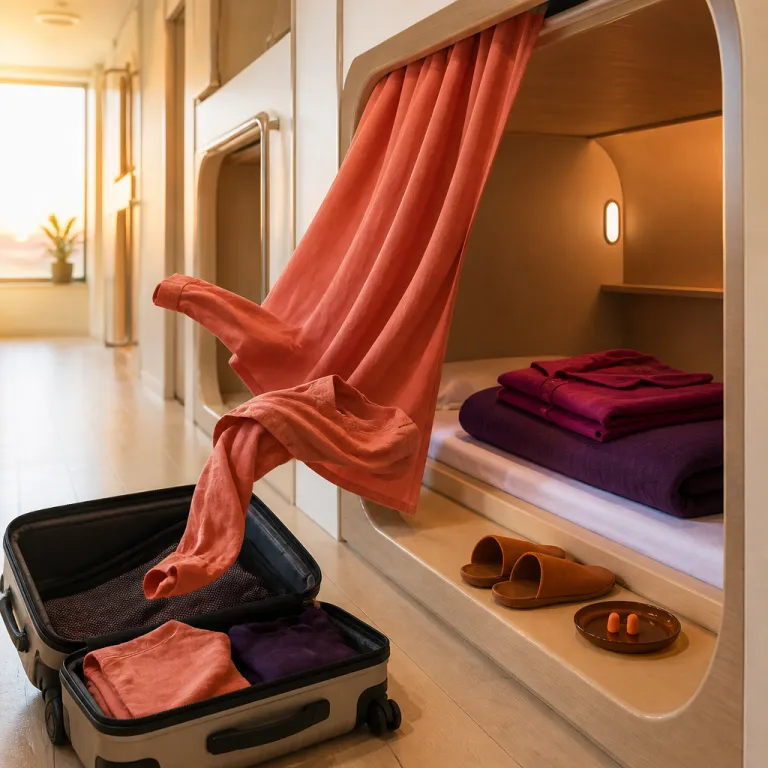
Space is the most precious currency in any capsule hotel, and luggage etiquette is where considerate guests stand out. Most Japanese capsule hotels provide lockers for valuables and larger bags, and house rules usually state that guests are expected to store valuables there rather than inside the capsule itself. Treat your pod as a sleeping cabin, not a storage unit, and keep only a small daypack or neatly folded clothes inside.
Rolling suitcases through narrow corridors late at night or early in the morning breaks capsule hotel etiquette rules faster than almost anything else. If you need to move a large bag, carry it by the handle during quiet hours, and do your main packing session before 22.00 so that zippers and plastic bags do not wake your neighbours. When you check in, ask staff whether there is a dedicated luggage area near reception, because many hotels offer that option to keep the capsule rooms visually calm and physically uncluttered.
Premium capsule hotels in Tokyo, Kyoto and other cities across Japan have refined this choreography to an art, especially those designed for business travellers who stay Japan wide for one night between meetings. Some properties, including those documented by architectural photographers such as Nacasa & Partners, show in each photo how lockers, capsules and corridors align so that guests can move almost silently. If you are planning to book a capsule hotel for a longer stay, pack a compact suitcase and a soft tote; your future self, and your fellow guests, will thank you every time you glide rather than clatter down the hallway.
Cultural nuances, language settings and how reviews reflect etiquette
Capsule hotel etiquette rules are not identical in every country, and understanding cultural context will elevate your stay from acceptable to exceptional. In Japanese capsule properties, removing shoes at the entrance, using provided slippers and keeping noise to a minimum are not suggestions; they are baseline expectations that shape how guests and staff interact. When you stay in capsule hotels outside Japan, especially in Europe or North America, the tone may feel looser, but the core principles of quiet, cleanliness and respect for shared space still apply.
Language settings on booking platforms can subtly influence how well guests understand those expectations, particularly when they select language options such as English, Deutsch, Italiano or Español. A well written house guide in multiple languages will reduce friction, because guests can check rules about eating in capsules, curfews and mixed gender floors without guessing, and staff can point to that guide when questions arise. Some premium sites even curate stories and guides that explain why eating is usually banned inside capsules, echoing the clear statement: “No, eating inside capsules is generally prohibited. Use designated dining areas.”
Guest reviews are where etiquette becomes visible, and where a single broken rule can overshadow an otherwise flawless stay. Couples who travel frequently will scan reviews for phrases like “quiet at night”, “respectful guests” and “well managed shared spaces”, because those comments signal that the capsule hotel takes etiquette seriously. For a deeper look at how shared lounges shape loyalty and behaviour, read this analysis of why communal capsule hotel spaces drive guest loyalty, which shows how design and etiquette combine to create repeat worthy experiences.
Planning your first capsule stay as a couple: practical etiquette checklist
For couples booking a capsule hotel for the first time, etiquette planning starts before you even click book. Decide together whether you prefer a female capsule floor for one partner, a mixed gender level or adjacent capsules on separate gendered floors, and check the property layout carefully. In cities like Tokyo and Kyoto, where capsule hotels are dense and varied, you will find options that cater to couples who value both proximity and privacy.
When you compare hotels Japan wide on a premium booking site, look beyond price and focus on how clearly each hotel explains its capsule hotel etiquette rules. Properties that publish a detailed guide document in English and Japanese, and that show real life layouts through professional interior photography, signal a higher level of operational care. Some even highlight collaborations with visual agencies such as Nacasa & Partners to showcase how capsule rooms, lounges and bathrooms are arranged, which helps you visualise how your stay will feel in practice.
Once you arrive, a simple mental checklist will keep your stay in Japan smooth: shoes off at the entrance, valuables in lockers, quiet in corridors, no eating in capsules and minimal light after dark. If you are staying capsule style at a design forward property such as Millennials Kyoto, where social spaces are part of the appeal, treat the lounge like a refined co working café rather than a living room at home. For couples who travel frequently between island resorts, city hotels and capsule cabins, mastering these etiquette basics turns every compact pod into a calm, luxurious retreat rather than a compromise.
Key figures that shape modern capsule hotel etiquette
- Average capsule hotel rates in Japan are often reported at around 4,000 yen per night in Japan National Tourism Organization (JNTO) overview materials, which means guests share high quality facilities at a fraction of traditional hotel prices, increasing the importance of considerate behaviour.
- Typical capsule length is described as about 2 meters in JNTO style summaries of standard pod dimensions, so efficient luggage storage and minimal in capsule clutter are essential to keep the limited space comfortable and safe.
- Many capsule hotels in Japan now feature female only floors, reflecting increased demand from solo women travellers and reinforcing specific etiquette around modesty, noise and shared bathroom use.
- Check in times commonly start around 15.00 and check out around 11.00 in Japanese capsule hotels, creating predictable peak periods in bathrooms and corridors where smooth etiquette and quick routines matter most.
- Core behavioural guidelines used by operators focus on three pillars: follow hotel rules, use shared facilities properly and maintain quietness, which together form the backbone of capsule hotel etiquette rules worldwide.
FAQ: capsule hotel etiquette rules for first time guests
Can I eat or drink inside my capsule?
Most capsule hotels, especially in Japan, prohibit eating inside capsules to protect cleanliness and air quality. The official guidance is clear: “No, eating inside capsules is generally prohibited. Use designated dining areas.” Light drinks such as bottled water are usually acceptable, but always check the house guide for specific rules.
Are capsule hotels co ed, and how does etiquette differ?
Many capsule hotels operate with gender segregated floors, while some offer mixed gender levels with clear zoning and signage. On female only floors, etiquette often leans toward quieter corridors and more conservative dress in shared areas, while mixed gender floors rely on strict adherence to posted rules about clothing and behaviour. Always check whether your floor is single gender or mixed, and adjust your level of formality accordingly.
How loud can I be inside my capsule at night?
Inside the capsule, you should behave as if someone is sleeping directly above, below and beside you. Normal speaking voices, phone calls and media without headphones are considered disruptive after around 22.00 in most properties. Use headphones, keep conversations to the lounge and set alarms to vibrate whenever possible.
What should I do with my luggage in a capsule hotel?
Use the locker or dedicated luggage area for large bags and valuables, and keep only essentials inside the capsule itself. Pack or repack your suitcase during daytime or early evening to avoid noisy zippers and wheels during quiet hours. If you must move a suitcase late at night, carry it rather than rolling it along the corridor.
Is there usually a curfew in capsule hotels?
Most modern capsule hotels do not impose a strict curfew, especially in major cities like Tokyo and Kyoto. However, check in and check out times are fixed, and quiet hours are strongly enforced through signage and staff reminders. If you plan to arrive very late, inform the hotel in advance so they can explain access procedures and any specific etiquette expectations.