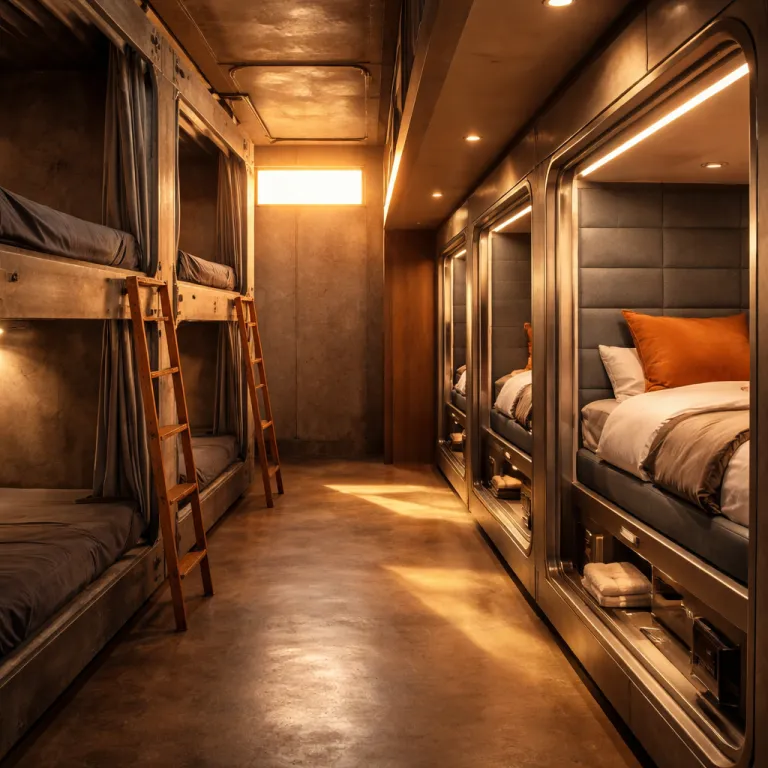
How capsule hotel types comparison reveals three clear tiers
Capsule hotel types comparison starts with one simple truth: not every capsule is created equal. The market has quietly split into economy bunks, midscale pods, and luxury capsule hotel suites that feel closer to compact first class than hostel. For guests planning a stay in dense cities like Tokyo or New York, understanding these capsule hotel types helps you match price, comfort, and location with how you actually travel.
At the economy end, a capsule or bunk in many capsule hostels offers a basic bed in a shared room, thin walls, and communal bathrooms down the corridor. Midscale capsule hotels usually upgrade the sleeping pods with better capsule beds, more refined design, and a dedicated locker or semi-private space for luggage. Luxury pod hotel concepts go further, turning each capsule bed into a mini room with a real mattress, strong noise insulation, and sometimes even an en suite shower that rivals compact hotels in Japan or Europe.
Across all tiers, the core idea remains the same: you trade floor space for location and smart design. A capsule hotel in central Tokyo or Osaka gives solo guests a place to sleep that is metres from the metro, even when full-size hotels are sold out or overpriced. Comparing capsule hotel types helps you check what each tier really delivers at night, from mattress quality to how peacefully you can sleep when the city outside never stops.
Economy capsule and bunk tiers: what you really get for the price
Economy capsule hotels focus on one promise: a clean bed for the night at the lowest possible rate. In many capsule-style properties across Japan and Southeast Asia, that means a simple capsule bed or bunk in a shared room, with curtains instead of doors and basic lockers in the hallway. Average prices often hover around 30 USD per night in many cities, though a capsule in central Tokyo or a pod in New York can cost more during peak time.
Expect compact sleeping pods with a thin mattress, shared bathrooms, and limited private space beyond your assigned pod. Noise insulation is usually minimal, so light sleepers should pack earplugs and check recent reviews about how quiet the room feels once all guests return from late-night ramen, karaoke, or bar hopping. Economy capsule hostel options often appeal to backpackers, students, and business travelers who only need a place to stay between trains and do not mind a functional, no-frills design.
Where economy shines is value in prime locations, especially in Japanese capsule properties near major stations. A basic Tokyo capsule bunk near Shinjuku can beat a suburban hotel room on convenience, even if the bed is smaller and the shared showers are busy at rush hour. For a deeper look at how compact hospitality is evolving beyond Japan, our guide to Europe’s capsule hotel boom explains why the new generation of pod hotel concepts is not simply copying the original Japanese model. You still get a wide range of prices and layouts, but at this tier the focus remains on a safe, clean place to sleep rather than a memorable capsule experience.
Midscale pods: where capsule hotels start to feel genuinely comfortable
Midscale capsule hotels sit in the sweet spot between hostel and full-service hotel, and this is where capsule hotel types comparison becomes interesting. Here, each capsule bed usually features a thicker mattress, better ventilation, and more thoughtful design touches like adjustable lighting and personal shelves. Many operators in Japan and beyond now add lounge access, co-working tables, and secure lockers so guests can spread out beyond the sleeping pods.
Bathrooms at this tier are still shared, but they tend to be better maintained, with more showers per floor and amenities that feel closer to a business hotel. A midscale pod hotel in Tokyo or Osaka might offer gender-separated floors, quiet zones for early sleepers, and a small café where business travelers can work before check-out time. Prices typically sit between 40 and 70 USD per night in cities like Tokyo, London, or Boston, though Southeast Asia often remains cheaper for a similar room and bed quality.
Design becomes a real differentiator here, with Japanese-inspired wood finishes, soft lighting, and capsule beds stacked in ways that preserve private space even in a compact place to stay. For solo explorers who value both sleep quality and social areas, this tier often delivers the best balance of cost and comfort. If you are considering a refined urban capsule stay in North America, our guide to choosing a Boston capsule hotel outlines how midscale pods can outperform many traditional hotels on both location and smart use of space.
Luxury pods: when a capsule hotel feels like first class on the ground
Luxury capsule hotel tiers transform the familiar pod into something closer to a compact suite, and this is where capsule hotel types comparison shows the sharpest jump in comfort. At this level, a capsule bed is a full mattress with hotel-grade linens, individual climate control, and serious sound insulation that keeps corridor noise outside. Some luxury capsule hotels in Japan and Singapore now offer en suite pods, where the private space includes a shower, vanity, and storage integrated into the pod design.
As many industry descriptions put it clearly, luxury pods often include a real mattress, individual ventilation, adjustable lighting, sound insulation, USB-C and standard outlets, an in-bed smart TV, and a locking door. That description captures the essence of the top tier, where each capsule becomes a secure room with technology and comfort on par with many four-star hotels. Typical entry-level rates for this category can start around 50 USD per night in some markets, but in practice luxury pods in central Tokyo, London, or New York often command 80 to 150 USD depending on season and location.
Guests at this level tend to be design-conscious solo travelers, frequent business travelers, and couples who value privacy but enjoy the social energy of shared lounges. Premium capsule concepts in Tokyo’s business districts illustrate how a Japanese capsule hotel can feel upscale, with quiet floors, well-designed sleeping pods, and thoughtful amenities like onsen-style baths. When you compare these luxury pods with a standard hotel room of similar price, you often trade a few square metres of floor space for better sleep, smarter storage, and a calmer night in the heart of the city.
How location and pricing engines shape real value across capsule tiers
Price alone does not tell you whether a capsule hotel stay is good value; location and dynamic pricing matter just as much. A 40 USD economy capsule in a central Tokyo property next to Tokyo Station can be a better place to stay than a 70 USD midscale pod hotel on the outskirts, simply because you save time and transit costs. The same pattern plays out in London, New York, and Bangkok, where city-centre pods often outperform suburban hotels on overall trip efficiency.
Midscale and luxury capsule hotels increasingly use dynamic pricing engines similar to those in airlines and large hotels, adjusting rates by night, demand, and lead time. That means a luxury capsule bed in Shibuya might occasionally drop into midscale pricing bands on quiet weekdays, while a basic capsule hostel bunk near major events can spike above its usual economy range. Smart guests check multiple dates, compare room layouts carefully, and read recent reviews to see whether the advertised tier matches the actual sleeping pods and shared facilities.
For solo explorers, the best value often comes from matching your priorities with the right tier in the right place. If you care most about sleep quality and quiet, a luxury or strong midscale capsule hotel in a slightly less central neighbourhood can beat a noisy economy pod above a nightlife strip. When you weigh capsule hotel options across cities, remember that a compact private space in a well-run pod hotel can feel more luxurious than a larger but poorly designed room in an ageing property.
Which capsule tier suits your travel style and red flags to avoid
Choosing between economy, midscale, and luxury pods starts with how you travel and how you sleep. Backpackers and price-sensitive guests who treat the capsule as a simple place to sleep may be perfectly happy with an economy capsule hostel, especially in safe, central districts of Japan or Southeast Asia. Business travelers, light sleepers, and design-focused solo explorers usually benefit from at least a midscale capsule hotel, where the bed, room acoustics, and shared spaces support both work and rest.
Luxury capsule hotels make sense when you want hotel-level comfort without paying for unused square metres, particularly in dense cities like Tokyo, Osaka, or Hong Kong. Couples often prefer this tier, because a larger pod hotel layout, better soundproofing, and more generous private space make a compact stay feel intentional rather than cramped. When comparing capsule hotel types, always check photos of the capsule beds, bathrooms, and lounges, and look for floor plans that show how much space you actually get around the sleeping pods.
Red flags are surprisingly consistent across regions and tiers. Be wary of properties marketing themselves as luxury capsule hotels while offering only thin mattresses, no real storage, and bathrooms that resemble budget hostels rather than a refined pod hotel. If reviews mention poor cleaning, constant corridor noise at night, or unclear rules about mixed-gender floors, treat that as a sign to choose another place to stay, whether you are booking a capsule in Tokyo or a new-generation pod in Europe. For a broader perspective on how capsule design is evolving beyond Japan, our analysis of Europe’s capsule hotel boom shows how thoughtful design can turn even the smallest room into a genuinely premium capsule stay.
Key figures that shape today’s capsule hotel landscape
- Industry research suggests that the global capsule hotels market is on track to reach around 1 billion USD in value within the next decade, with high single-digit to low double-digit compound annual growth, which underlines how quickly capsule hotel types are expanding beyond Japan into Europe and North America.
- Across many destinations, the average cost of an economy bunk per night often sits near 30 USD, while the average cost of an upgraded or luxury-style pod can start around 50 USD, highlighting how a relatively small price jump can significantly upgrade mattress quality, noise insulation, and private space.
- Since the first widely recognised capsule hotel opened in Osaka in the late 1970s, capsule hotels have evolved from purely functional sleeping pods for salarymen into a wide range of concepts, from minimalist capsule hostel formats to high-design pod hotel brands aimed at international guests.
- Feature analysis, customer reviews, and online price comparison tools now allow travelers to run their own capsule hotel types comparison in minutes, making it easier to check whether a property marketed as premium actually delivers midscale or luxury-level amenities.
- Growing demand for affordable, efficient lodging among solo travelers and business travelers has pushed operators in cities like Tokyo, Singapore, and London to introduce higher-end capsule accommodations, where each capsule bed competes directly with compact rooms in traditional hotels.
FAQ about capsule hotel tiers and luxury pods
What amenities are included in a luxury pod compared with an economy bunk?
Luxury pods usually offer a real mattress, stronger sound insulation, individual ventilation, adjustable lighting, and integrated power outlets, while economy bunks focus on a basic bed and shared facilities. Many luxury capsule hotels also add in-pod entertainment screens, higher-quality linens, and sometimes a locking door or sliding panel for extra private space. Economy capsule hostel options typically rely on curtains, thinner mattresses, and simpler shared bathrooms down the corridor.
How do economy bunks differ from luxury pods in daily experience?
Economy bunks provide a functional place to sleep with minimal storage and limited noise control, which can be challenging for light sleepers. Luxury pods feel closer to compact hotel rooms, with better mattress support, more thoughtful design, and quieter sleeping pods that allow deeper rest even when other guests move around. The daily experience also differs in shared areas, where luxury and midscale capsule hotels often feature lounges, co-working tables, and more refined bathrooms.
Are capsule hotels suitable for claustrophobic guests?
Capsule hotels may not be ideal for claustrophobic individuals due to the compact nature of the sleeping pods, especially in older or economy properties with low ceilings and narrow entrances. Some modern pod hotel designs mitigate this with higher ceilings, open-ended capsules, and brighter lighting, but the feeling of enclosed space remains. If you are sensitive to confined rooms, a small traditional hotel room or a larger capsule bed with open sides may feel more comfortable.
Which capsule hotel tier is best for business travelers on short trips?
Business travelers usually benefit from midscale or luxury capsule hotels, where sleep quality, quiet corridors, and reliable Wi-Fi matter as much as price. A midscale capsule in a central business district of Tokyo or Singapore can offer a better balance of comfort and commute time than a cheaper economy bunk far from meetings. Luxury pods become attractive when you need strong noise insulation, a comfortable bed, and perhaps a small desk or lounge area to work before or after client visits.
How can I check whether a capsule hotel is truly luxury or just midscale marketing?
Look closely at photos of the capsule beds, bathrooms, and shared spaces, and read recent guest reviews that mention mattress quality, noise levels, and cleaning standards. A genuine luxury capsule hotel will usually offer real mattresses, strong sound insulation, secure storage, and high-quality finishes, while a midscale property marketed as luxury often reveals thinner beds, basic bathrooms, and limited private space. Comparing room layouts and amenities across several capsule hotels in the same area is the most reliable way to confirm whether the tier matches the price.