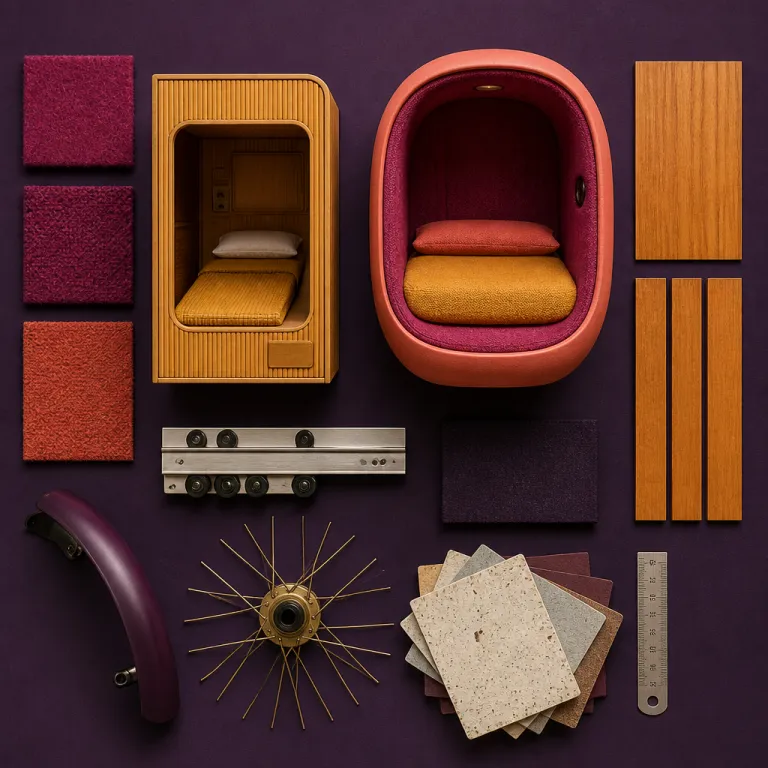
From utility pod to cultural mirror: why capsule hotel design diverges
Step into a classic capsule hotel in tokyo and you feel the original logic immediately. The hotel compresses the bed into a precise capsule so guests can sleep, shower, and return to business without ceremony. For many people who travel for work inside asia, this format still reads as a pragmatic place to stay rather than a lifestyle statement.
That early japan capsule model treated sleep as a utility, not an experience, and the interior design followed suit with uniform beds, narrow rooms, and minimal shared spaces. The design capsule philosophy was shaped by dense cities like the city osaka, where every square metre of space had to work hard for salarymen catching the last train. In this context, capsule hotels became a discreet hospitality tool, offering a private pod and a predictable stay for international and domestic workers alike.
As the concept moved beyond japan capsule properties, capsule hotel cultural design began to stretch around new expectations. In Europe, hotels popular with younger guests reframed the capsule as a cocoon, using warmer materials, softer lighting, and social spaces that encourage people to linger. Across asia and the Middle East, tech focused operators layered app based controls and flexible pricing on top of the original capsule hotel idea, turning compact beds into part of a wider travel ecosystem.
Osaka and tokyo: the disciplined origins of capsule hotel cultural design
In tokyo and the city osaka, the capsule hotel grew out of commuter culture and unforgiving train timetables. Early hotels capsule properties sat near major stations, giving exhausted guests a clean bed, a shower, and a locker sized private space when they missed the last ride home. The hospitality offer was intentionally narrow, with hotel rooms reduced to pods and shared spaces focused on bathing and vending machines rather than conversation.
This stripped back interior design still defines many japan capsule addresses, where the capsule is treated almost like a piece of infrastructure. Corridors line up with military precision, beds stack in quiet rows, and the design capsule language favours wipe clean surfaces and neutral colours. For business travellers who stay capsule style in these hotels, the appeal lies in anonymity and efficiency rather than curated social life.
Yet even in tokyo, capsule hotel cultural design is evolving as younger guests demand more character from their place to stay. Some hotels capsule operators now experiment with warmer woods, art referencing local neighbourhoods, and shared spaces that feel closer to a lounge than a locker room. For a deeper look at how these shifts began, many travellers study the design lessons from Tokyo's original pod hotels that the West is finally learning, which trace how a purely functional capsule became a template for global micro hospitality.
Amsterdam and beyond: European pods as social, design led cocoons
Move from the city osaka to Amsterdam and the same capsule footprint tells a different cultural story. European hotels capsule pioneers reframed the capsule hotel as a stylish cocoon, where guests choose compact beds but expect generous shared spaces and thoughtful interior design. Here, capsule hotel cultural design leans into colour, mood lighting, and tactile materials that make each capsule feel like a private retreat rather than a crash pad.
Properties inspired by concepts such as CityHub in Amsterdam use tech to personalise each capsule, from app controlled lighting to messaging tools that connect people in the lobby. These hotels popular with solo travellers treat the capsule as one element in a broader hospitality ecosystem, where the bar, co working tables, and lounge style shared spaces become the real hotel rooms. For many international guests, this balance between small private space and expansive social areas defines the modern European capsule hotel stay.
Designers across Europe also borrow from asia while adding local cues, whether that means canal house colour palettes or artworks by neighbourhood creatives. A project like Capsularhouse in Dnipro, explored in detail in this guide to a refined capsule stay in the heart of Dnipro, shows how a hotel can use compact beds and efficient rooms while still feeling rooted in its own city. In these settings, capsule hotels become cultural translators, turning the original japan capsule blueprint into a softer, more communal place to stay for design conscious travellers.
Tech, privacy, and shared spaces across asia’s new capsule wave
Across southeast asia, a new generation of capsule hotels blends tech heavy convenience with a sharper focus on community. Operators in cities from Bangkok to Singapore use apps to manage check in, lighting, and even air flow inside each capsule, giving guests granular control over their private pod. For digital nomads who stay capsule style for weeks, this level of control turns a small bed into a surprisingly adaptable place to stay.
Capsule hotel cultural design in this region often treats shared spaces as the real luxury, with generous lounges, co working tables, and cafés that feel closer to members clubs than transit hubs. The hotel rooms may be compact capsules, but the surrounding spaces are designed for long laptop sessions, informal meetings, and slow breakfasts with other people who travel for both leisure and business. In these hotels capsule properties, the line between hospitality and workspace blurs, especially when flexible pricing rewards longer stays.
Privacy remains a central concern, so operators refine every policy terms document and privacy policy statement to reassure international guests who are new to the capsule format. Designers experiment with acoustic panels, thicker curtains, and staggered bed layouts to create a more private feel inside each capsule, even when the room holds dozens of beds. For travellers comparing options, guides such as this analysis of how refined bedroom pods are reshaping luxury capsule hotel stays help decode which properties truly balance tech, privacy, and shared spaces rather than just adding gadgets.
From global template to local identity: choosing the right capsule cocoon
As capsule hotels spread from tokyo to the city osaka, Amsterdam, Dubai, and secondary cities worldwide, a risk emerges. When every capsule hotel leans on the same plywood pods, neon signage, and co working style shared spaces, capsule hotel cultural design can flatten into a generic aesthetic. Travellers then face hotels capsule options that feel interchangeable, regardless of whether the place to stay sits in asia or Europe.
Operators who resist this trend start with local habits around sleep, socialising, and work, then shape the hotel around them. In some cities, that means quieter rooms, deeper beds, and more private capsules for guests who value rest over networking, while in others it means larger social spaces and food programmes that keep people talking late into the night. The most interesting capsule hotels treat policy terms, privacy policy language, and even signage as part of the design capsule toolkit, using clear communication to set expectations for how people share space.
For travellers, the reward is a stay capsule experience that feels both efficient and culturally specific, whether the hotel sits above a subway line in tokyo or beside a canal in Amsterdam. When you choose a capsule hotel that reflects its neighbourhood rather than a global template, the compact bed becomes a cocoon that frames the city instead of shielding you from it. That is the quiet power of capsule hotel cultural design at its best, turning small spaces and simple beds into precise instruments of hospitality for curious, international guests.
FAQ
How private are capsule hotels compared with standard hotel rooms ?
A capsule hotel offers less structural privacy than traditional hotel rooms, but good design can still create a strong sense of personal space. Look for properties that stagger beds, use solid partitions rather than thin curtains, and invest in acoustic treatments around each capsule. Clear policy terms and a visible privacy policy also signal that the hotel takes noise, behaviour, and guest comfort seriously.
Are capsule hotels suitable for business travellers who need to work ?
Many newer capsule hotels are designed with business and remote work in mind, especially in asia and European hubs. These hotels capsule properties often pair compact beds with generous shared spaces, including desks, power outlets, and reliable Wi Fi. When booking, check whether the capsule hotel cultural design emphasises co working style areas or focuses purely on sleeping pods.
What should I look for in capsule hotel cultural design before booking ?
Start by assessing how the hotel balances private capsules with shared spaces such as lounges, cafés, and bathrooms. In tokyo or the city osaka, you may prefer a japan capsule property that prioritises quiet efficiency, while in Amsterdam you might seek a more social, design led place to stay. Reading detailed descriptions of interior design, bed layout, and house rules will help you match the capsule hotel to your own travel style.
Are capsule hotels comfortable for taller or larger guests ?
Comfort varies widely, because capsule dimensions and bed sizes differ between hotels and regions. Some capsule hotels in asia still follow compact salaryman proportions, while many European hotels capsule brands now offer longer beds and higher ceilings inside each capsule. Always check the listed measurements of the capsule and bed, and look for guest reviews that mention height and overall sense of space.
Do capsule hotels feel safe for solo travellers ?
Well run capsule hotels can feel very safe for solo guests, especially when access to rooms and capsules is controlled by keycards or apps. Properties that publish clear policy terms, maintain a transparent privacy policy, and staff shared spaces consistently tend to foster a secure atmosphere. As with any hotel stay, reading recent reviews and understanding local norms around shared accommodation will help you choose a capsule hotel that matches your comfort level.