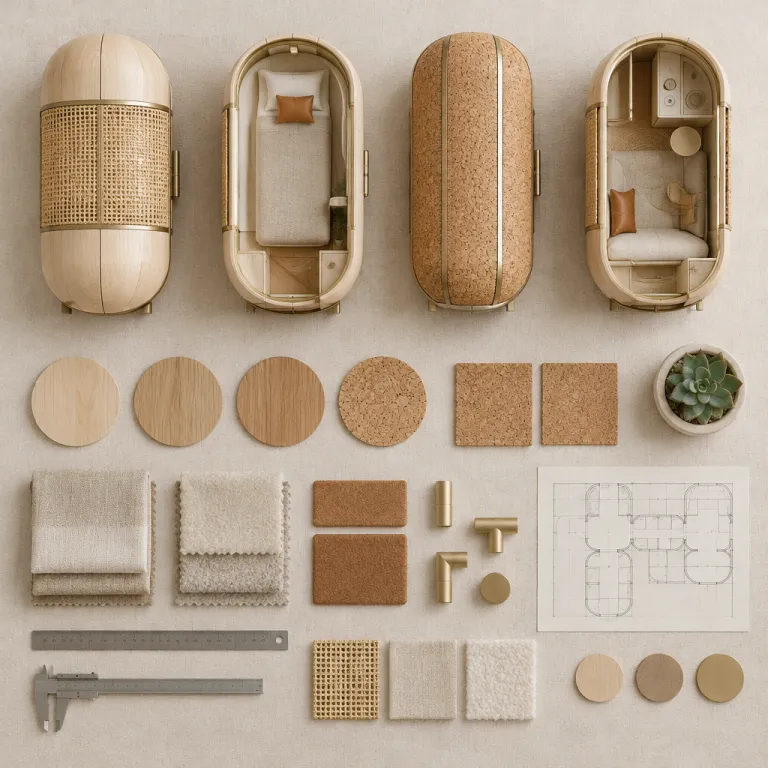
Pod houses as elevated capsule retreats for modern travelers
Pod houses bring the intimacy of a capsule to a refined hospitality setting. In luxury capsule hotels, each pod house balances private living with shared amenities that feel closer to thoughtfully curated homes than to basic cabins. Guests experience a compact pod that still delivers generous comfort, efficient energy use, and a sense of calm space.
Unlike many traditional homes, a premium pod house is engineered as a modular pod that can be repeated, stacked, and adapted to different buildings. This modular construction approach lets operators control construction cost, standardize quality control, and still offer varied house designs that appeal to solo travelers, couples, and digital nomads. For guests, the result is a tiny house style capsule house that feels intentional rather than improvised, with every centimetre of building space working hard.
Inside these pod houses, the design language borrows from both tiny homes and high performance hotel suites. A single house pod may integrate a plush bed, concealed storage, soft lighting, and acoustic materials that reduce noise from neighbouring houses and corridors. When several pod homes are grouped as a set pod within one floor, travelers enjoy the privacy of a small house while still being only a few steps from lounges, wellness areas, and co working zones.
From factory floor to capsule floor: how modular pod construction shapes your stay
Behind every polished capsule house in a luxury property, there is a precise factory process. Many pod houses for premium capsule hotels are built as homes modular units in controlled facilities, where quality control on materials, insulation, and integrated technology is far stricter than on many traditional homes. This factory environment allows each modular pod or house pod to be tested for structural performance, energy efficiency, and acoustic comfort before it ever reaches the hotel building.
Because so much of the construction happens off site, the on site preparation phase is shorter and more predictable for operators. Site preparation focuses on utilities, structural supports, and compliance with local building codes that govern small house structures and larger houses alike. For travelers, this modular construction method translates into fewer disruptions, faster openings, and pod homes that feel solid rather than temporary.
Luxury capsule hotels in dense cities such as London now use pod houses to create high performance micro suites that rival compact rooms in premium properties. A detailed article on a premium capsule hotel in London shows how modular construction, careful house designs, and efficient use of space can elevate the guest experience. When you book one of these pod houses, you benefit from a building process that treats each capsule as a finely tuned product rather than a simple room.
Modern capsule design: lessons from tiny homes and global pod culture
Modern pod houses in luxury capsule hotels owe much to the tiny homes movement. Designers borrow compact living strategies from every tiny house and small house prototype, then refine them for short and long term stays in urban markets. Sliding panels, foldaway desks, and layered lighting help a single pod feel like several homes in one.
Japanese capsule traditions also influence how each capsule house is arranged and finished. Many Western operators now study design lessons from Tokyo’s original pod hotels to understand how to balance privacy, shared facilities, and efficient circulation space. These insights shape pod homes that respect cultural expectations around quiet, personal space, and the subtle rituals of nightly living.
In practice, this means that a set pod of eight or ten units might share a serene entrance, soft corridor lighting, and carefully chosen materials that absorb sound. Each house pod then becomes a personal retreat, with controls for light, temperature, and entertainment that rival larger houses or apartments. By blending tiny homes ingenuity with capsule heritage, luxury operators create pod houses that feel both futuristic and reassuringly familiar.
What travelers actually experience inside luxury pod houses
Stepping into a high performance pod house in a premium capsule hotel, guests first notice the sense of order. Every centimetre of space is choreographed, from the bed platform to the integrated storage that makes a small house footprint feel surprisingly generous. Soft close cabinetry, layered textiles, and warm materials turn each capsule house into a cocoon rather than a compartment.
Technology plays a quiet but decisive role in this style of living. Many pod homes integrate app based controls for lighting, ventilation, and entertainment, allowing guests to tailor the pod to their preferred energy levels and routines. In some properties, modular pod layouts even allow you to choose between different plans and options, such as a work focused house pod with a larger desk or a rest focused pod with enhanced acoustic insulation.
Shared areas complete the experience of these pod houses as modern homes modular clusters. Guests might move from their capsule to a lounge, spa, or co working zone that extends the usable building space far beyond the pod itself. For remote professionals, guides to co working pods and desk space inside capsule hotels show how a well designed set pod environment can support focused work, social connection, and restorative sleep in a single stay.
Cost, value, and the evolving market for luxury pod houses
From a traveler’s perspective, pod houses often deliver premium finishes at a lower cost than many central city hotel rooms. Because the construction of each modular pod happens in a factory, operators can optimize materials, reduce waste, and negotiate better pricing on high performance components. Those savings can then be redirected into better linens, advanced ventilation, and thoughtful house designs that directly benefit guests.
The market for luxury capsule house stays has expanded rapidly in major hubs such as Tokyo, Singapore, London, and New York. Travelers who once booked only traditional homes or large hotel suites now experiment with tiny homes inspired pods that still offer strong privacy and comfort. As demand grows, operators introduce more plans and options, from minimalist house pod layouts for short city breaks to larger pod homes that suit long term stays.
Regulation also shapes how these pod houses reach the market. Local building codes determine minimum space, fire safety standards, and accessibility requirements for every small house style unit within a larger building. When operators respect these rules and invest in rigorous quality control, guests gain confidence that their capsule house stay is not only stylish but also structurally sound and safe.
Practical booking tips for choosing the right pod house stay
When comparing pod houses on a luxury booking website, start by examining the floor plans and options. Look for clear diagrams that show pod size, storage solutions, and how each house pod relates to shared spaces such as bathrooms, lounges, and co working areas. A transparent operator will explain site preparation, building materials, and modular construction methods in enough detail to reassure discerning travelers.
Next, assess how the property manages energy efficiency and acoustic performance. High performance pod homes often feature triple layer walls, advanced ventilation, and low energy lighting that together create a calm, healthy living environment. If you plan a long term stay, prioritise homes modular clusters that offer varied house designs within the same building, so you can upgrade or switch pods without changing address.
Finally, read guest reviews that mention construction quality, cleanliness, and the feel of the capsule house at night. Comments about creaking structures, thin walls, or inconsistent temperatures may indicate weaker quality control in the factory or rushed site preparation on arrival. By focusing on these details, you can select pod houses that combine the charm of a tiny house with the reliability and comfort expected from leading luxury properties.
Key statistics on pod houses and modern capsule stays
- According to data from the Japan Tourism Agency, capsule style accommodations in major Japanese cities have maintained average occupancy rates above 80 percent in peak months, showing strong and sustained demand for compact living formats in urban markets.
- Research from the Modular Building Institute reports that modular construction can reduce overall project timelines by 30 to 50 percent compared with conventional building, which helps luxury capsule hotels bring new pod houses to market faster and with fewer on site disruptions.
- A study by the International Energy Agency indicates that well insulated small dwellings can cut heating and cooling energy use by up to 60 percent compared with poorly insulated traditional homes, highlighting the efficiency potential of high performance pod homes.
- Urban planning reports from the Greater London Authority show that micro units and compact living formats now represent a growing share of new city centre accommodation, reflecting traveler interest in tiny homes inspired solutions such as pod houses within premium capsule hotels.
FAQ about luxury pod houses in capsule hotels
Are pod houses comfortable for more than one night ?
Well designed pod houses in luxury capsule hotels are built for both short and long term stays, with supportive mattresses, effective ventilation, and careful acoustic insulation. Because each capsule house uses space efficiently, guests often find that a small footprint still feels comfortable for several nights. For extended stays, choosing pod homes with access to generous shared lounges and work areas can make the experience even more pleasant.
How private is a pod house compared with a standard hotel room ?
In premium properties, each house pod is engineered with solid walls, secure doors, and sound absorbing materials to maximise privacy. While you may share corridors and some facilities with other guests, the interior of the capsule house is typically as private as many compact hotel rooms. Reading reviews that mention noise levels and door design can help you gauge how well a specific set pod layout protects personal space.
What should I check before booking a pod house stay ?
Before confirming a reservation, review the floor plans and options to understand pod size, storage, and proximity to shared bathrooms or lounges. Check whether the operator explains their modular construction process, building codes compliance, and quality control standards, as these factors influence safety and comfort. Finally, look for photos of both the pod houses and the wider building to ensure the overall environment matches your expectations.
Are pod houses suitable for remote work and digital nomads ?
Many luxury capsule hotels now design pod homes and shared areas with remote workers in mind. A house pod may include a compact desk and strong connectivity, while co working zones and lounges provide additional space for focused work. If work is a priority, choose pod houses in properties that clearly describe their co working facilities, desk availability, and quiet hours policies.
How do pod houses compare with tiny homes or micro apartments ?
Pod houses share many design principles with tiny homes and micro apartments, such as efficient layouts, multi use furniture, and careful attention to materials. The main difference is that pod homes in capsule hotels are optimised for temporary stays rather than permanent living, so storage and kitchen facilities may be more limited. For travelers, this often means a more curated, hotel like experience within a compact, modular pod environment.