Why capsule hotel construction is becoming a materials story
Step inside a new generation capsule hotel and the first surprise is not the technology or the stacked beds, but the walls themselves. In many of the most forward thinking capsule hotels, sustainable capsule hotel construction materials now define the mood, the acoustics and even the scent of the space. For travelers used to traditional hotels, this shift from glossy finishes to tactile, regenerative surfaces signals a deeper change in how a hotel building is conceived.
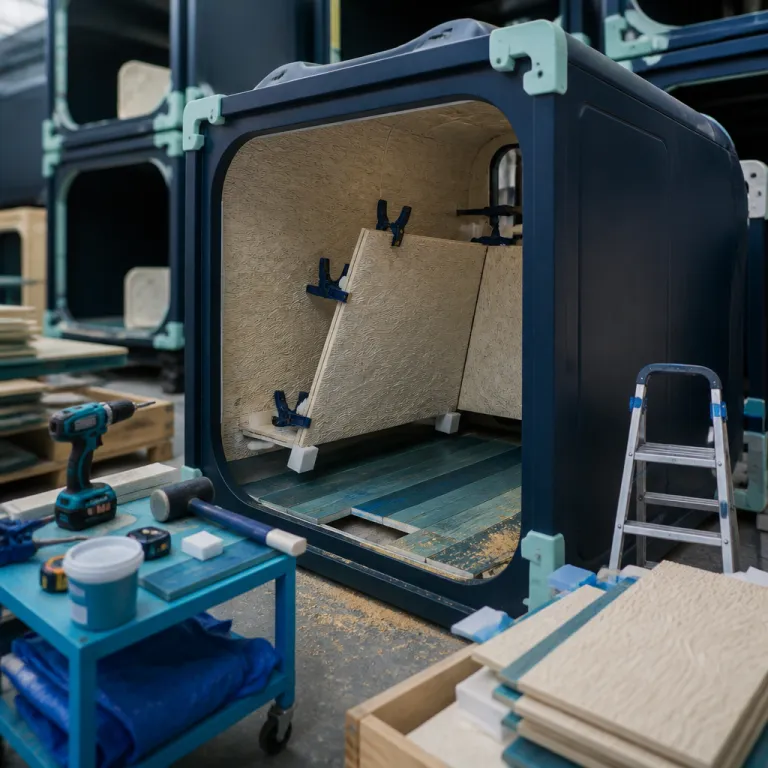
The capsule format has always been about smart design and efficient use of space, yet the latest capsule hotels go further by treating every capsule bed module as a precise building capsule that can be assembled with minimal waste. Modular pod hotel structures allow architects and manufacturers to specify eco friendly components for each capsule house style unit, from mycelium acoustic panels to reclaimed agricultural waste flooring. Because each hotel capsule is produced in controlled conditions, quality improves, and construction waste can drop by around 30 %, according to recent research on mycelium based systems.
For guests, the experience of sleeping inside a capsule hotel built this way feels subtly different from a standard room in hotel Japan properties or from older capsule inns in Osaka. Surfaces are warmer to the touch, lighting is softer as it reflects off natural fibers, and shared spaces feel closer to tiny homes than to anonymous transit hotels. When you slide into your capsule bed at night, you are not just renting a compact room ; you are participating in a new chapter of urban living where materials, not just amenities, carry the story.
Inside mycelium panels and reclaimed flooring
Mycelium panels sit at the heart of this shift, turning the vegetative part of fungi into high performance acoustic insulation between capsule beds and shared corridors. As one research summary puts it, “What is mycelium? The vegetative part of fungi, consisting of a network of fine white filaments.” Those filaments can be cultivated on organic waste, shaped into modular boards and then dried, creating lightweight partitions that are ideal for the tight geometry of a capsule hotel room.
Specialist manufacturers such as Mycomorph, Mogu and Milli now work with architects and construction firms to integrate mycelium based elements into capsule hotel building projects worldwide. Their panels help reduce energy use for air conditioning by improving insulation, with studies indicating potential energy savings from mycelium insulation of around 20 %, which is significant when you multiply it across hundreds of capsules in large hotels. Underfoot, salvaged wood and reclaimed agricultural waste are processed into durable reclaimed flooring, so every step from the capsule to the shared bathroom quietly reinforces the eco friendly narrative of the hotel located in dense city centers.
For travelers comparing capsule hotels with traditional hotels, the carbon arithmetic per guest night becomes compelling when these sustainable capsule hotel construction materials are added to the already compact footprint. A single capsule house style pod uses far less structural material than a conventional room, and when that pod is lined with mycelium panels and reclaimed flooring, the embodied carbon drops again. If you want to understand how these choices play out at scale, our guide to how eco conscious capsule hotels are shrinking hospitality’s carbon footprint at eco conscious capsule hotels and carbon footprint offers a deeper look at energy and materials data.
Why the capsule format is perfect for regenerative materials
Compact pods give designers a rare advantage ; they can treat each capsule as a repeatable component and optimize every surface for sustainability. Because a capsule hotel relies on many identical capsules stacked within a single building, switching to sustainable capsule hotel construction materials in one prototype can quickly transform the entire property. This modular logic contrasts with traditional hotels, where every room layout and wall junction may differ, making material innovation slower and more expensive.
Factory controlled production of capsule modules means mycelium panels, algae based bioplastics and reclaimed flooring can be integrated with millimetre precision before the building capsule units ever reach the site. That approach reduces on site waste, shortens the construction durée and allows partners such as architects and construction firms to refine details like side entry doors, integrated lighting and air conditioning ducts for maximum efficiency. When these modules arrive, they slot into the hotel building like pieces of a capsule house puzzle, creating dense yet comfortable living space that feels closer to a collection of tiny homes than to a conventional corridor of rooms.
Shared spaces then become the social and environmental lungs of the property, concentrating higher impact systems such as advanced air conditioning, grey water treatment and natural ventilation in a few well designed zones. Guests move from their friendly capsule at night to lounges, co working areas and kitchens by day, spreading their living across the hotel in a way that keeps private capsules simple while making communal rooms generous. To see how this plays out during busy seasons, our report on peak season low footprint operations at how capsule hotels handle summer crowds sustainably explains how smart design and modular construction help maintain comfort when occupancy surges.
From Osaka pioneers to global eco minded capsules
Japan remains the spiritual home of the capsule hotel, and the country is now a laboratory for sustainable capsule hotel construction materials as well. Early properties such as Capsule Inn Osaka showed how simple pods and shared facilities could redefine the idea of an affordable night in a central hotel, even if the materials were mostly conventional at the time. Today, a new wave of capsule inn concepts in Osaka and beyond is experimenting with mycelium partitions, reclaimed timber and softer lighting to create a more refined experience for solo travelers.
Across hotel Japan markets, from Tokyo to regional cities, you will now find capsule hotels that borrow cues from tiny homes and capsule house architecture, using natural fibers, recycled plastics and reclaimed flooring to warm up compact rooms. Some hotel located near major stations combine pod hotel layouts with community programming, turning shared spaces into venues for sustainability workshops, local craft markets and even mycelium growing demonstrations. These properties often collaborate with innovators such as Mycomorph, Mogu or Milli to test new panel formats or bio based finishes, then share performance données with the wider hospitality industry.
Outside Japan, Asian born capsule brands expanding into Europe and North America are carrying this materials first mindset with them. Our feature on Asian capsule brands going global at Asian capsule brands going global highlights how design teams adapt friendly capsule layouts to local building codes while keeping a focus on eco friendly materials. For guests booking through a premium capsule hotel platform, this means you can now choose between multiple hotels where the pod walls, floors and even the inside capsule finishes have been specified as carefully as the beds or the breakfast menu.
How to read the materials when you book a capsule stay
When you scroll through photos of a capsule hotel online, pay close attention to what the walls, floors and ceilings are made from. Look for clear references to mycelium panels, reclaimed flooring or other sustainable capsule hotel construction materials in the property description, rather than vague eco friendly claims that could signal greenwashing. If a hotel capsule operator has invested in these materials, they will usually highlight the story, sometimes even naming partners such as Mycomorph, Mogu or Milli in their design narrative.
Certifications can help, but they are only one part of the picture, so combine them with your own visual reading of the space. Natural textures, visible grain in reclaimed wood, and soft, indirect lighting often indicate a design team that has thought carefully about both materials and guest comfort, while endless glossy laminates may suggest a missed opportunity. When a capsule hotel explains how its shared spaces reduce per guest energy use, or how modular building capsule units cut construction waste, you gain a clearer sense of the real environmental impact behind the marketing language.
On a practical level, consider how these choices will shape your own living experience during a short or long term stay. Mycelium insulation between capsules can mean quieter nights, while reclaimed timber underfoot can make even a small room feel warmer and more residential. Combine that with efficient air conditioning, smart design of side entry doors and well planned shared spaces, and you have a capsule house style environment that respects both your comfort and the city around you.
FAQ
What is mycelium and why is it used in capsule hotels ?
Mycelium is the vegetative part of fungi, formed by a network of fine filaments that can be grown on organic waste and then shaped into panels. In capsule hotels, these mycelium panels provide acoustic insulation between pods and help regulate temperature, which can reduce energy demand for air conditioning. They are renewable, biodegradable and align well with modular capsule construction, where many identical panels are needed.
How is reclaimed flooring integrated into capsule hotel design ?
Reclaimed flooring in capsule hotels usually comes from salvaged wood or agricultural by products that are processed and repurposed into durable boards. Designers use this material in corridors, shared spaces and sometimes inside capsule units to reduce the need for new timber and lower the embodied carbon of the building. The result is a warmer, more tactile walking surface that also tells a clear sustainability story to guests.
Are capsule hotels really more sustainable than traditional hotels ?
Capsule hotels typically have a smaller footprint per guest because they concentrate beds into compact pods and rely on shared bathrooms and lounges. When operators combine this efficient layout with sustainable capsule hotel construction materials such as mycelium panels and reclaimed flooring, the carbon impact per guest night can be significantly lower than in many traditional hotels. Actual performance varies by property, but the format offers strong structural advantages for energy and material savings.
How can I tell if a capsule hotel is avoiding greenwashing ?
Look for specific information about materials, such as named suppliers of mycelium panels or details on reclaimed flooring sources, rather than generic eco friendly claims. Independent certifications and transparent reporting on energy use, waste reduction and water management also indicate a more serious approach to sustainability. When in doubt, you can contact the hotel directly and ask how its capsules and shared spaces were built and what measurable targets it follows.
Will sustainable materials change the comfort of my capsule stay ?
Sustainable materials often improve comfort, because good insulation and natural surfaces tend to create calmer, more stable environments. Mycelium panels can reduce noise between capsules, while reclaimed timber and bio based finishes can soften acoustics and temperature swings in small rooms. For guests, this usually translates into quieter nights, more pleasant shared spaces and a sense that the hotel has invested in both design and environmental responsibility.